
Local 20 (Indianapolis) Instructor Cam Williams brings the mentorship and leadership of the training center to his work with Boys II Men, a local organization that aims to help middle school boys grow into the best version of themselves.
In SMART, the solidarity that defines union membership extends well beyond our fellow brothers and sisters. SMART members pride ourselves on the work we do in our communities, whether it’s food drives, Habitat for Humanity projects or volunteering to mentor youth across North America.
Cam Williams, an instructor at SMART Local 20 in Indianapolis, Indiana, is a prime example, serving as a mentor and board member for a local organization called Boys II Men.
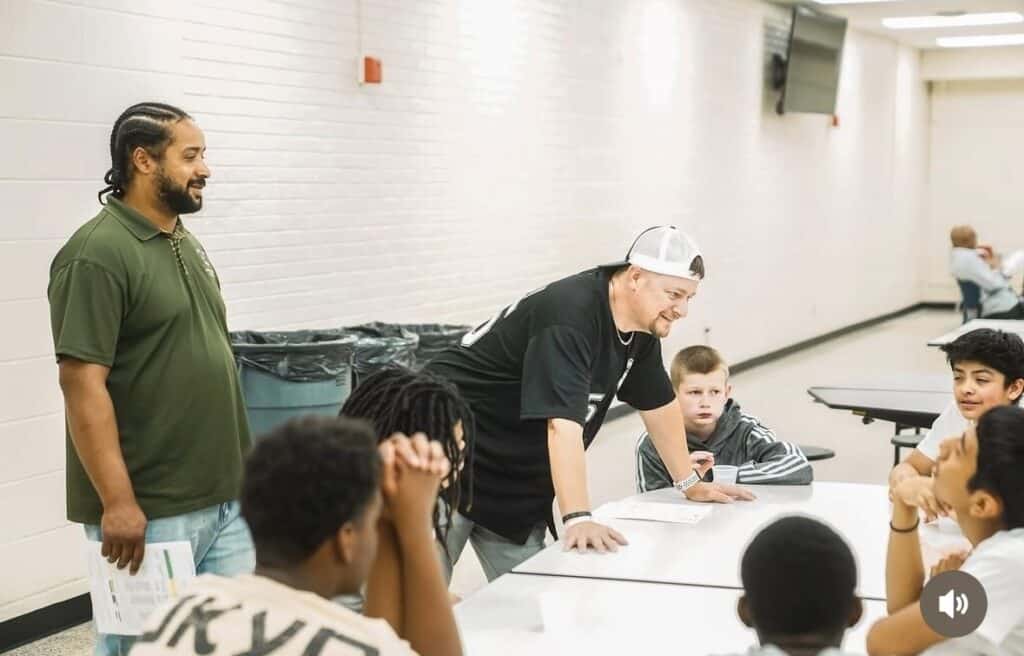
Founded in 1995 by “four Pike Township teachers who saw a need for middle school boys to have male role models invested in their lives,” Boys II Men “seeks to cultivate the development of adolescent boys in a safe and exciting team environment by promoting civic engagement, personal responsibility, positive relationships, respect for women, and a lifelong appreciation for learning,” according to its website.
What that means in practice? A lot of things, Williams explained. Providing safe spaces for youth transitioning from middle school to high school so they can talk about the challenges in their lives, from school to home and beyond. Helping program participants develop leadership skills, practice public speaking, and be active and attentive listeners. Putting on college visits, outings to baseball and football games, and mission trips to Nicaragua. From personal finance management and tying ties to team-building outings in the area, Boys II Men facilitates a huge range of activities to help young people be the best they can be.
“We seek to give them an opportunity to see the world and expose them to skills and an education that’s more than what’s right in front of them,” Williams explained.
Coming full circle via the sheet metal trade
For Williams, Boys II Men isn’t just a local organization that does good work in the community.
“I’m the only mentor that was originally a student of the program,” he said. “I started the program in the 1999-2000 school year, when I was in 6th grade, and have consistently returned to help whenever I can.”
Even after finishing the program, Williams stayed connected as a “lifetime member.” Boys II men uses a points system: Participants bring personal progress reports to Friday night sessions, read books each month, participate in community service work, help with the fundraising events and more, with each activity assigned a point value. When participants reach the end of 8th grade, the top 10 “cadets” with the most points can become lifetime members: 9th – 12th grade students who continue to get mentorship through the program, but also provide help to the new cadets.
“Once I graduated high school I had to wait until the age of 21 to become a mentor in the program, but that didn’t stop me from showing up to the Friday night sessions and interacting with the cadets and other life timers,” Williams said.
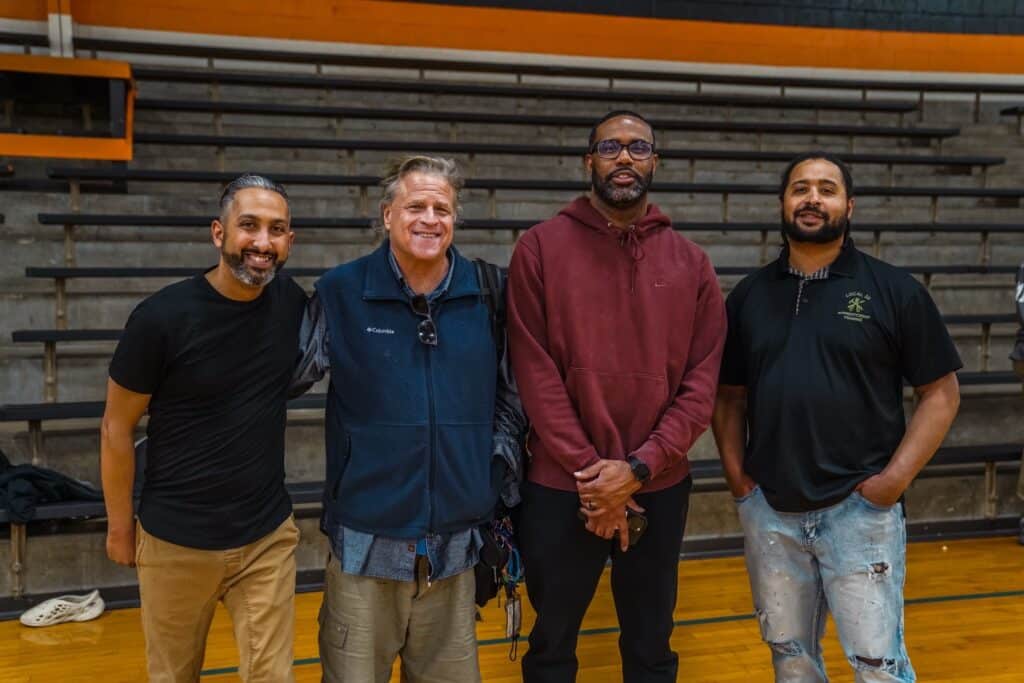
Fast forward a couple decades: Williams has enjoyed a successful career in the trade, ranging from working in the field to his relatively new position as an instructor. He credits at least part of that to his formative years with Boys II Men.
“The program has helped me a ton and still is to this day,” he said. “I have realized that Boys II Men helped shape me to be the great Local 20 instructor and mentor that I am today. Those same skills [I learned] apply to my apprentices; they help me to have compassion and patience with everyone. Taking the time to know a person’s situation and trying to understand and help versus judging a book by its cover.”
Building connections, building a future
When Williams joined the sheet metal trade, he didn’t have as much time to spend on Boys II Men. But two years ago, when he became an instructor, he jumped back in — both as a mentor, and then as a member of the board.
Now, he’s aiming to strengthen the connections between Boys II Men and Local 20, helping youth learn more about the sheet metal trade and forging a strong future for both organizations.
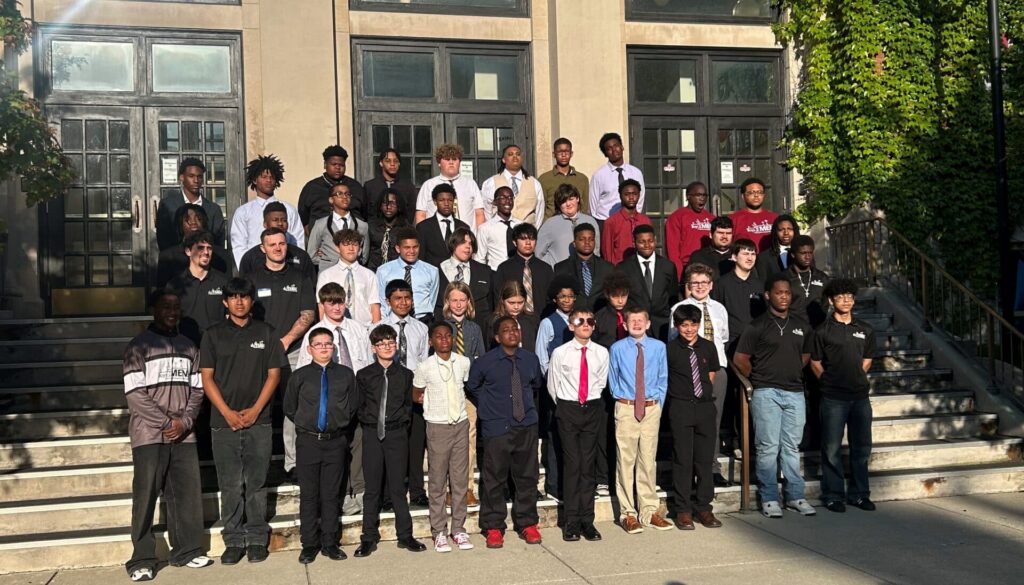
“I have been trying to connect the program with our local training facility,” Williams said. “I have been approved to start giving tours of the school, holding mockup interviews to teach those skills, and putting together small projects for students to work on and take home — showing the cadets all the equipment we have and what we do with it.”
He considers that relationship a win-win.
“Cadets will know that becoming a sheet metal worker is an option, and that they can make good money with no college debt. The local would benefit from this tremendously; we would not have random applicants but ones that understand what it takes to be successful and what it means to be a good human and to bring that culture with them.”
That isn’t just about building the future of Local 20’s membership and exposing young people to the union sheet metal industry. It’s also about both organizations’ values.
“Boys II Men’s core values are to HELP — Humility, Encouragement, Love and Purpose,” said Williams. “These all align with those of our local and training facility. We preach self-awareness to our brothers and sisters, ask them to demonstrate empathy and have a willingness to listen and learn from those around them.”
A foundation of mentorship
Mentorship is one of the core pillars of our union. Since sheet metal workers first organized back in the 1800s, our union has thrived on a tradition of solidarity and members helping one another, whether teaching in the training center or looking out for one another on the job.
Williams is helping continue that legacy, at the JATC and beyond. It’s another reminder that SMART members practice our union values both on and off the job.
Great work, brother!
Related News
- A future in the trades: Local 33, Heavy Metal Summer Experience recruit the next generation in Wheeling
- Solidarity pays off for new SMART members in Illinois
- Local 33 builds new partnerships, creates opportunities for members through organizing in West Virginia
- Local 63 rebuilds presence in Vermont, puts union members to work through organizing
- Coordination, proactive organizing help Local 49 prepare for opportunities in Texas, New Mexico
- Members and contractor benefit from union advantage in Sacramento
- Organizing pays off for Local 91, new signatory contractor
- Local 441 organizes big gains at Ingalls Shipbuilding in Mississippi
- “We take care of each other:” SMART Army builds custom wheelchair ramp for TD brother
- Education Department, Organizing Department hold course on organizing contractors
- Trailblazing production apprenticeship strengthens Local 16 in Oregon
- Local 17 steward details fight for SMART collective bargaining rights at Portsmouth Naval Shipyard
- Local 20 organizes enormous growth to take on record-breaking megaproject in Indiana
- “Organizing is our lifeblood:” Benson details the role every member plays in strengthening SMART
- Local 206 member discusses pride in union solidarity
- Local 435 lifts working conditions, pay and benefits in Gainesville