
As we head into the hottest time of year, can you tell the difference between the various types of heat-related illnesses? And what kind of first aid is suitable for each? Here is a brief rundown:
Heat stroke, the most serious form of heat-related illness, happens when the body becomes unable to regulate its core temperature. Sweating stops and the body can no longer rid itself of excess heat. Signs include confusion, loss of consciousness, and seizures. Heat stroke is a medical emergency that may result in death! Call 911 immediately.
Heat exhaustion is the body’s response to loss of water and salt from heavy sweating. Signs include headache, nausea, dizziness, weakness, irritability, thirst, and heavy sweating.
Heat cramps are caused by the loss of body salts and fluid during sweating. Low salt levels in muscles cause painful cramps. Tired muscles—those used for performing work—are usually the ones most affected by cramps. Cramps may occur during or after working hours.
Heat rash, also known as prickly heat, is skin irritation caused by sweat that does not evaporate from the skin. Heat rash is the most common problem in hot work environments.
OSHA has resources to help you recognize the signs of heat-related illness and stay safe.
Heat exhaustion is the body’s response to loss of water and salt from heavy sweating. Signs include headache, nausea, dizziness, weakness, irritability, thirst, and heavy sweating.
Heat cramps are caused by the loss of body salts and fluid during sweating. Low salt levels in muscles cause painful cramps. Tired muscles—those used for performing work—are usually the ones most affected by cramps. Cramps may occur during or after working hours.
Heat rash, also known as prickly heat, is skin irritation caused by sweat that does not evaporate from the skin. Heat rash is the most common problem in hot work environments.
OSHA has resources to help you recognize the signs of heat-related illness and stay safe.
 Anthony Simon, SMART GO-505 General Chairman, said Monday that LIRR president Phillip Eng should shoulder more responsibility than anyone for the MTA’s overtime costs rising by nearly 80 percent since 2016. Simon noted that, as acting president of New York City Transit in 2017, Eng signed off on an internal memo proposing the lifting of an overtime cap on subway workers in order to “ensure staff availability during this time of peak workload demands across the system” due to the MTA’s Subway Action.
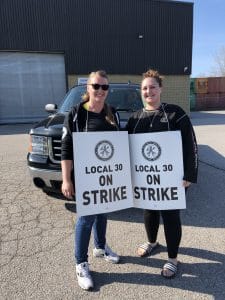 SMART Sheet Metal Workers in Toronto, London, Hamilton, Thunder Bay, Niagara, and Ottawa — among others — have gone on strike as a response to the status of talks between the union and the Ontario Sheet Metal Contractors Association. The talks are not based around money, but about working conditions for people employed by Ontario contractors.
 This past weekend, SMART SM Local 206 held their 100-year anniversary celebration in San Diego where SMART General Secretary Treasurer Richard McClees and the McClees family were honored with the naming of the hall on Saturday.
 On March 27, sheet metal workers in New Mexico saw the culmination of years of effort when SB 143 was signed by Governor Michelle Lujan-Grisham. This legislation makes New Mexico the first state in the nation to ensure that fire and smoke dampers and smoke control systems are properly tested and inspected in accordance with National Fire Protection Association standards. These life-saving requirements will apply to public buildings, storage facilities and multifamily dwellings.
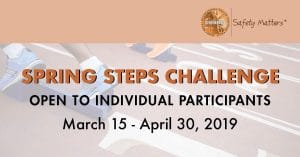 One of the ancillary benefits SMOHIT brings to SMART members is the opportunity to be apart of a little friendly competition — the STEPS Challenge.