The SMART Transportation Division proudly announces the retirement of Brother Greg Hynes, Director of the National Safety and Legislative Department. While his departure leaves large shoes to fill, the legacy he leaves behind is one that will guide and inspire our mission for generations to come. 

Brother Hynes’s decades-long commitment to SMART-TD was not just a job, it was a calling. That calling not only changed the lives of our members, it reshaped the landscape of labor advocacy across the country. 

Hynes told SMART News about his career with SMART-TD that, “It’s one thing to be a railroader and complain about the conditions. It’s another thing to stand up and do something about it. That’s what I did, and it’s been the greatest honor of my life.” 

When you have lived the life Hynes has put together, that is saying a whole lot. 

A Lifelong Unionist and Fifth-Generation Railroader

Greg Hynes’ journey in railroading began not just with a job but with a legacy. A fifth-generation railroader born in Winslow, Arizona, Brother Hynes hired out with Atchison, Topeka & Santa Fe Railway in Los Angeles in 1995 before transferring to Phoenix in 1997. It didn’t take long for Greg to make his mark in union leadership. By 2003, he was elected legislative representative for Local 1081 in Glendale. One year later, he became Arizona’s assistant state legislative director and ascended to state director by 2009, a position he held with distinction until he was called to serve on a national scale. 

Building a National Legacy: From the Locomotive Cab to the Nation’s Capital

Greg’s contributions to SMART-TD and rail labor are monumental. After chairing the UTU Rail Safety Task Force in 2009, he was elected alternate national legislative director in 2014 and took over as national legislative director in 2019, a role to which he was re-elected in 2024. Under his leadership, the Safety and Legislative Department transformed into one of the most effective engines for labor advocacy in the nation. 

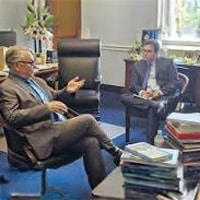
He wasn’t just present in Washington, D.C.; he wore out the steps of the Capitol. Whether walking the halls of Congress or visiting statehouses across the country, Brother Hynes made it his mission to ensure that the voices of SMART-TD members (rail and bus alike) were heard, respected, and protected. 

Perhaps no achievement shines brighter than his role in the landmark 2024 federal rulemaking mandating two-person freight crews across the United States. While many claimed credit, those who know the story understand that Greg Hynes was the unstoppable force behind that victory. 

His fingerprints are also all over the push for paid sick leave for rail workers, a victory realized for 90% of the industry in no small part because of Greg’s tenacity. He was instrumental in championing the 2024 REEF Act, guaranteeing equitable treatment for railroaders receiving Railroad Retirement Board benefits. These were not just policy wins. They were quality-of-life wins for his brothers and sisters. 

Forging New Traditions in Labor Advocacy

Greg didn’t follow tradition; he created new ones. He redefined Railroad Day on the Hill from an industry event into the most powerful lobbying effort for rail labor, giving members direct access and influence in shaping policy. He also pioneered Bus and Transit Safety Day on the Hill, which immediately bore fruit in the form of stronger assault prevention regulations out of the FTA. The next event is already scheduled for this fall, a testament to the momentum Greg built. 

From the Federal Railroad Administration’s RSAC to the SOFA Working Group and the Department of Transportation’s Advisory Committee on Human Trafficking, Greg’s influence radiated throughout the national transportation policy landscape. 

Part of Greg’s lasting impact on this union will undoubtedly be the example he set for those brothers and sisters that will take up the mantle. Brother Jared Cassity, who has served as Greg’s Deputy Director since 2019 had this to say about Greg’s impact on him and his career in rail labor. “It has been an absolute honor and privilege to work alongside Greg for the past five years. I am grateful to him for his willingness to accept me into the office, to pass along his knowledge, and for being a good friend. There is no one I would have rather learned the intricacies of DC with than him. He has been a warrior for SMART-TD and for all working families, leaving a legacy that is sure to live on. His presence will be missed, but I congratulate him on a retirement well earned. Hopefully, there are many stages in his future.” 
Beyond the Tracks and the Hill: A Renaissance Man

Greg Hynes is more than a labor leader; he’s a renaissance man. A talented actor and musician, Greg has been featured in multiple plays, working as an actor in productions all across Arizona. As an actor, Brother Hynes saw the same kind of success as we have witnessed him have as a Safety and Legislative Director. Hynes starred in off-Broadway productions of Steven Sondheim’s Into the Woods and Assassins, along with many other plays.  He once took the stage as Colonel Jessup in A Few Good Men, channeling Jack Nicholson with grit and charisma. It wasn’t just the railroads that couldn’t handle the truth Hynes was bringing to that production. In his theater career, he was nominated for Best Actor and Best Supporting Actor multiple times, and won awards for Best Production as well as Best Director. 

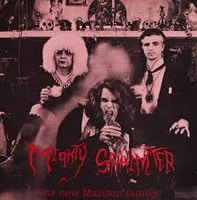
Before he ever wore the blue collar of the rails, he was known as Mr. Wonderful, pounding out rhythms on his drums, belting out vocals, and filling clubs with the raw energy of punk rock. He was a fixture in bands such as the Teds, Jodie Foster’s Army, the Skeletones, and the legendary Mighty Sphincter. 

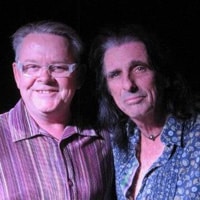
Greg found success with all of his bands in the thriving punk scene of Phoenix in the 80’s and 90’s, but with the Mighty Sphincters, he hit it big. They opened shows for Social Distortion and The Dead Kennedys and have influenced the likes of Alice Cooper, Marilyn Manson, White Zombie, and GWAR.  

To many outside our union, Greg is known as the guy who stole the show with hard-hitting, relentless rhythms at a concert or a scene-stealing performance on the theater stage. To us at SMART-TD, he’s known simply as the best damn Safety and Legislative Director in rail labor history. 

To those who worked closely with him, Greg’s greatest legacy is one of professionalism and humble leadership, an idea that Safety & Legislative Department Chief of Staff Jenny Miller emphasized to SMART News. 

“Greg’s humility and kindness stood out in Washington. Even as one of the most influential lobbyists on the Hill, he never considered himself to be above anyone else,” explained Miller, who served in her role during Brother Hynes’ tenure and beyond. “Whether interacting with the lowest member of the office staff or a sitting U.S. Senator, Greg treated both with the same level of respect. That’s a special quality of his that I personally admire and one that will be missed by everyone who’s had the honor of working with him. Even though Greg accomplished more in this role than anyone in the history of SMART-TD, I’ll always think of him first and foremost as my friend.” 

An Icon in Work Boots and Windbreakers

Brother Hynes’ unconventional approach has made him unforgettable. Take, for example, the October 2024 Board of Directors meeting in Houston, Texas. Officers were asked to wear sports coats in a rare dress code moment for SMART-TD. Hynes, (a proud son of Arizona,) walked in confidently wearing a Phoenix Suns windbreaker. When questioned on it, his answer was as classic as it was logical: “I don’t understand the problem. This is a jacket, and basketball is a sport.” 

That’s Greg in a nutshell: clever, principled, and impossible to pigeonhole. 

A Legacy That Will Echo for Generations

As he steps into retirement, SMART-TD salutes Greg Hynes for a career of relentless advocacy, fearless leadership, and boundless originality. He reimagined what this union could be and then worked hard enough to make it real. His humor, drive, and sincerity made him not only a powerful advocate but a beloved brother to us all. 

As President Jeremy Ferguson put it, “Greg Hynes accomplished what few have done in our union’s history. He secured landmark legislative victories and set a new standard for rail and transit safety. His work has directly improved the lives of our members and their families for generations to come. Two things are certain. Greg will absolutely be missed around here, and he will never be forgotten in this union or anywhere else he goes.” 

From the rail yard to the Capitol dome, from the rehearsal stage to congressional hearing rooms, Greg Hynes has done it all and done it with unmatched flair and a fierce commitment to working people. 

Congratulations on your retirement, Brother Hynes. You’ve earned every word of praise and every minute of your retirement, though we suspect you’ll never truly slow down. 

With deep respect and heartfelt thanks, 
Your SMART-TD Family 
 

FOR IMMEDIATE RELEASE 

INDEPENDENCE, OH – June 30, 2025 —As lawmakers in the upper chamber rush to pass the U.S. Senate’s version of the “big, beautiful” spending bill, SMART-TD applauds Senator Maria Cantwell (D-Washington) for introducing Amendment #2613, which would ensure that railroaders are included in the overtime tax deduction.

But its passage is not guaranteed: Contact your U.S. Senators immediately and ask them to support the Cantwell Amendment (#2613). Please follow this link to the SMART-TD Legislative Action Center to send a message of support to your U.S. Senator.  
 
In its current form, the bill only grants tax-exempt status on overtime pay to workers covered under the overtime provisions of the Fair Labor Standards Act. This is an oversight that excludes our rail members.

SMART-TD refuses to let our brothers and sisters fall through the cracks. 
 
In productive discussions with Senator Cantwell, we also emphasized that railroad overtime is not calculated as it would be for workers in other industries. Senator Cantwell modified her amendment to account for overtime based on individual work assignments, not the total number of hours worked in a particular week or pay period. 
 
If adopted, Amendment #2613 will bring equity to rail workers across the country. We are grateful to Senator Cantwell for sponsoring this amendment and advocating for rail workers in this process. We urge all Senators to vote “YES” and protect railroaders who help keep America moving.

###

About SMART-TD

The Sheet Metal, Air, Rail, and Transportation Workers—Transportation Division (SMART-TD), also known as the SMART-TD Railroad Union, is the largest rail union in North America, representing more than 100,000 workers. We fight for the rights of our members, ensuring that they receive fair wages, safe working conditions, and the benefits they deserve. Our union is committed to standing up for all railroad workers and ensuring that their voices are heard in Washington, D.C.

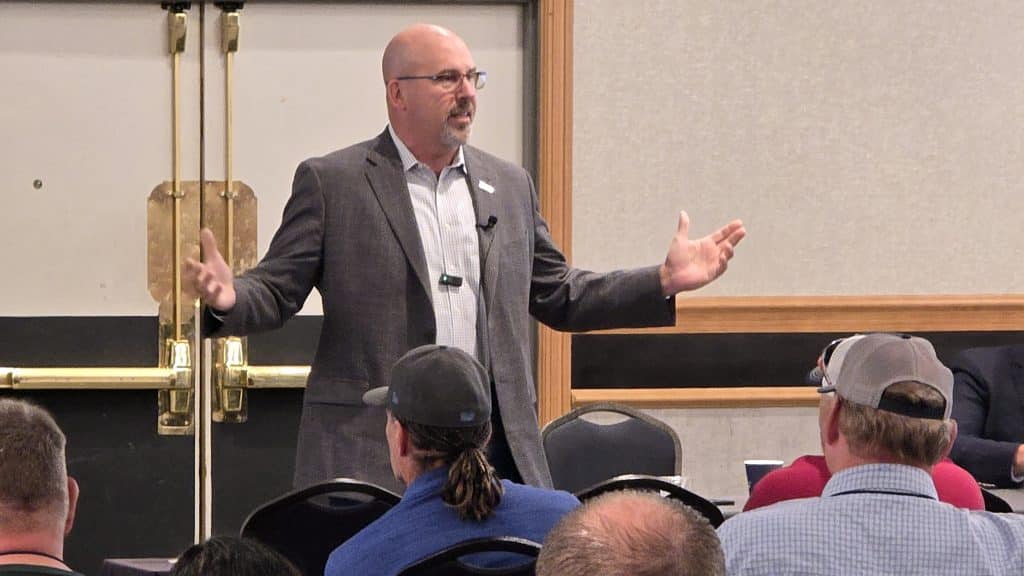
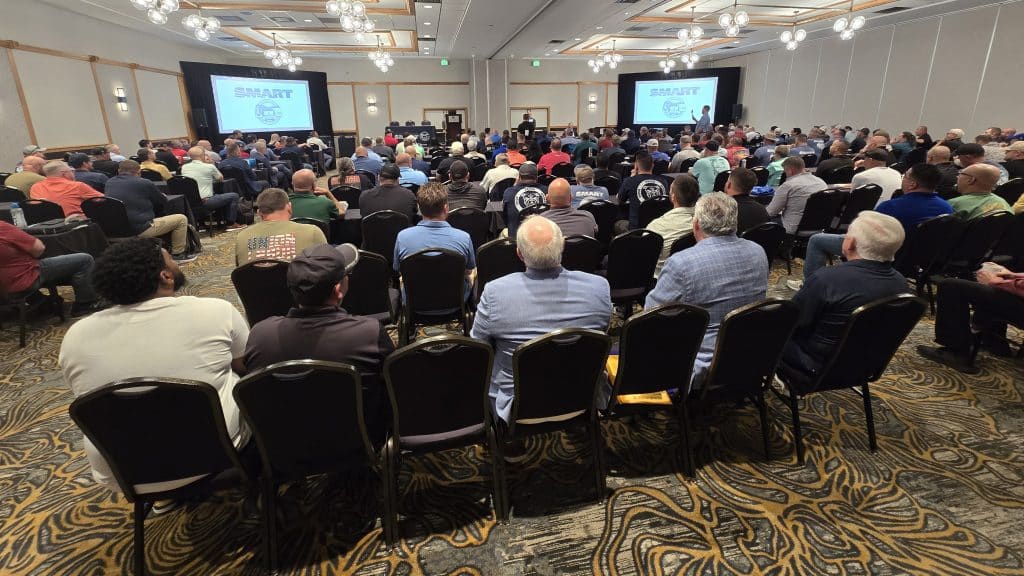
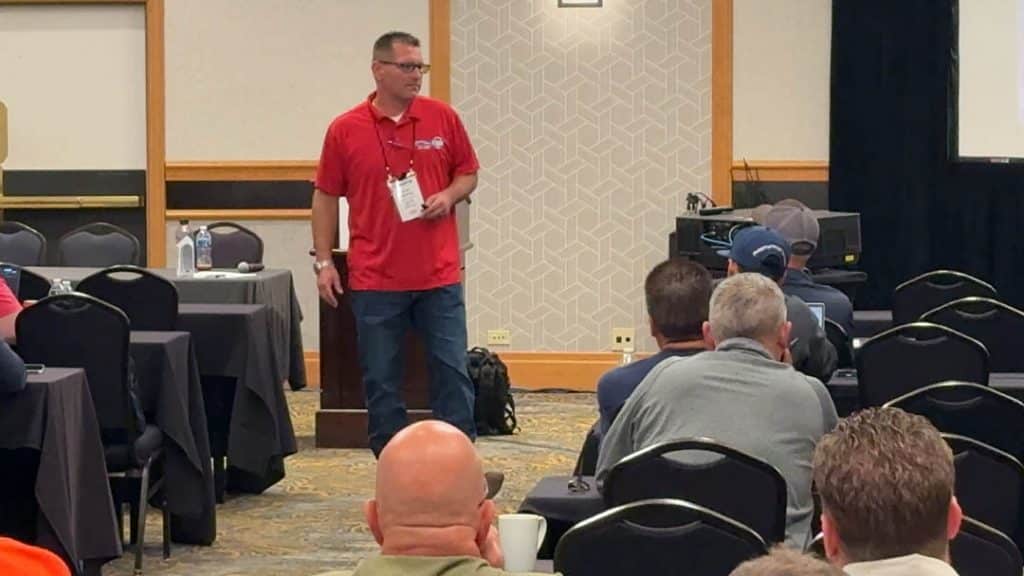
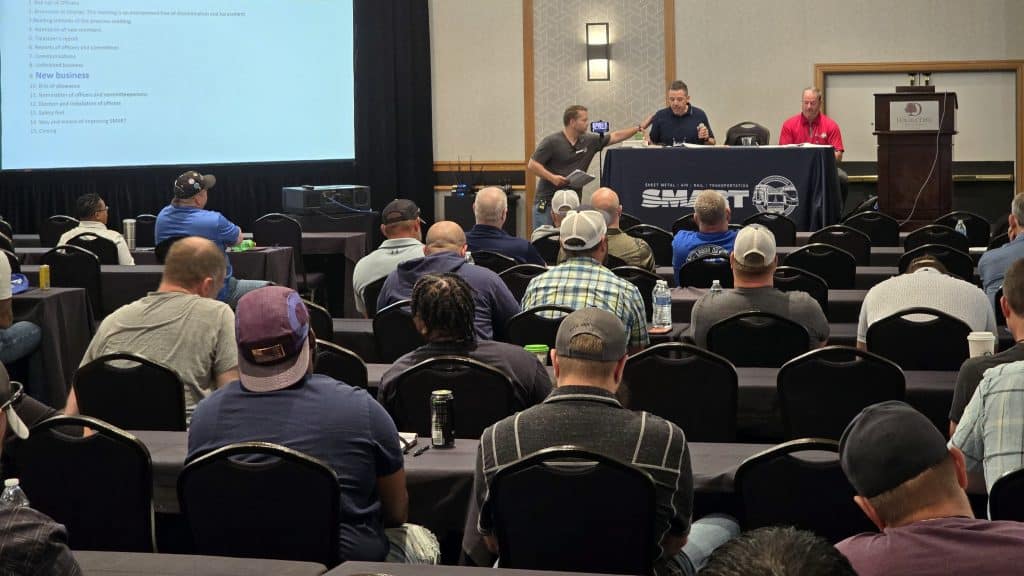
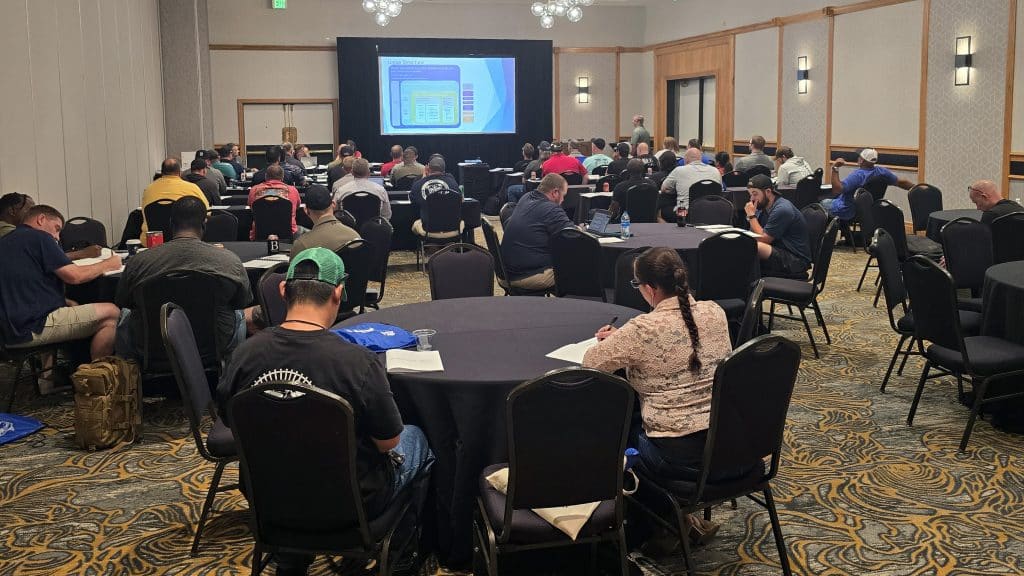
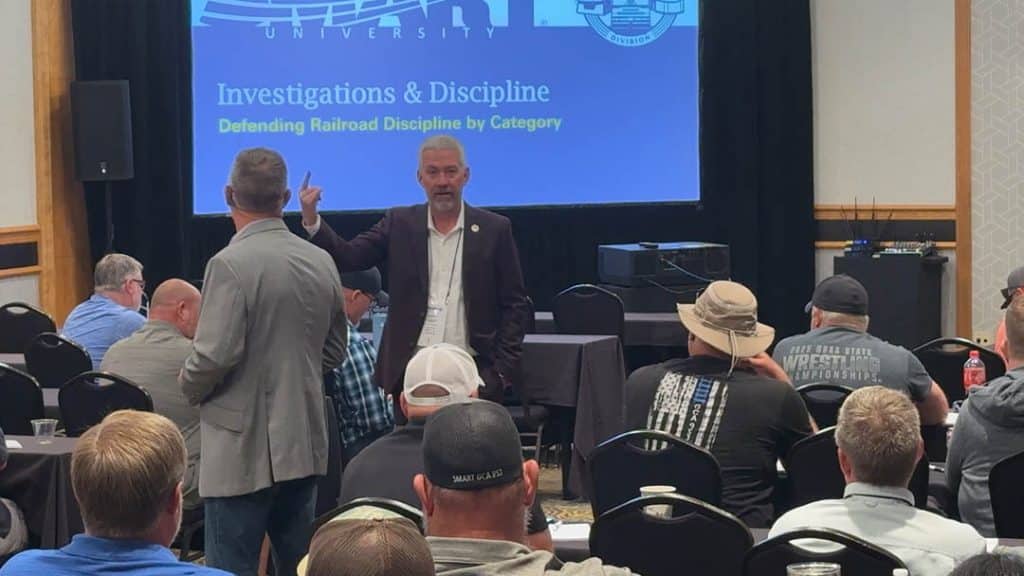
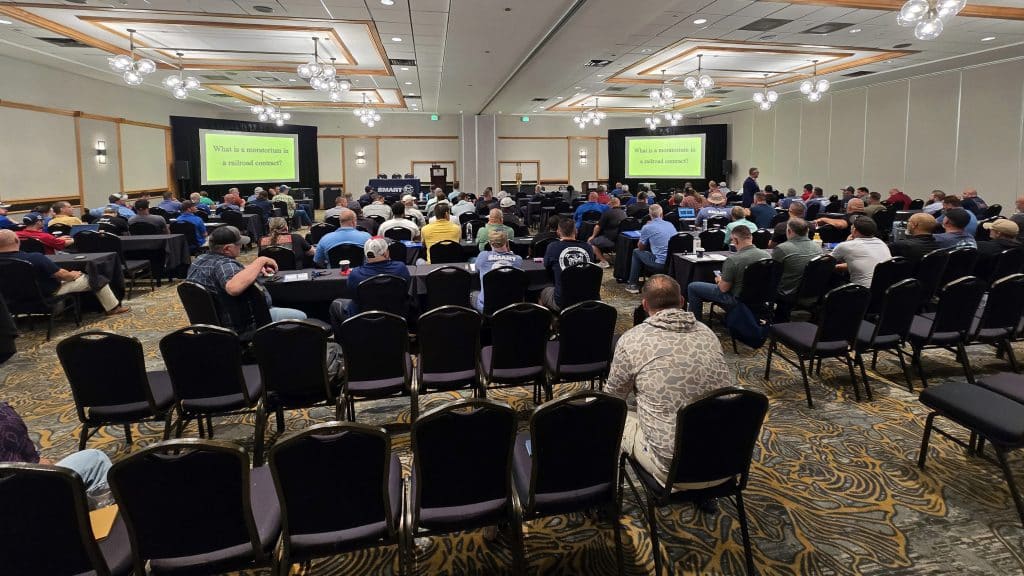
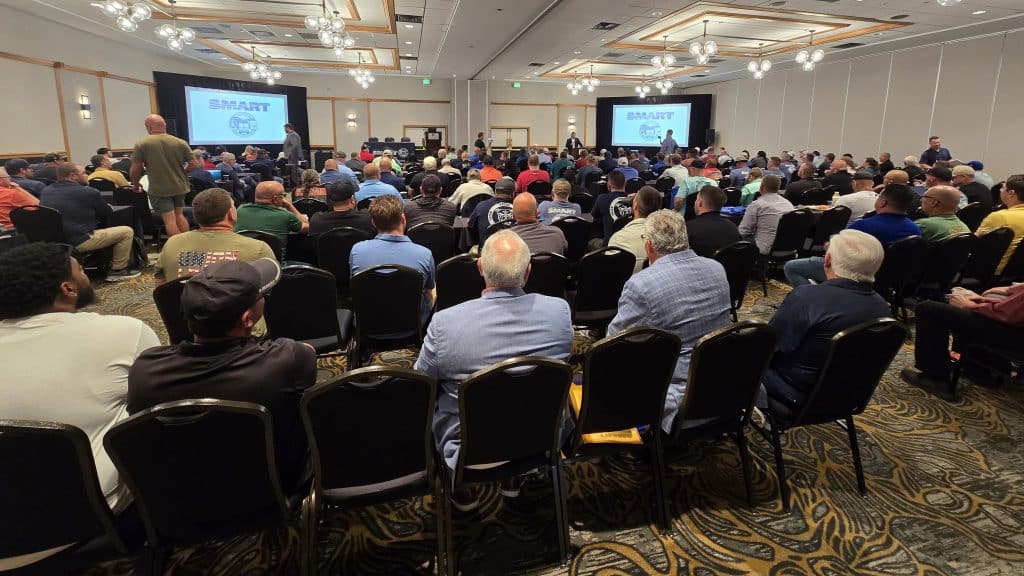
SMART-TD President Jeremy Ferguson opens the Denver RTS

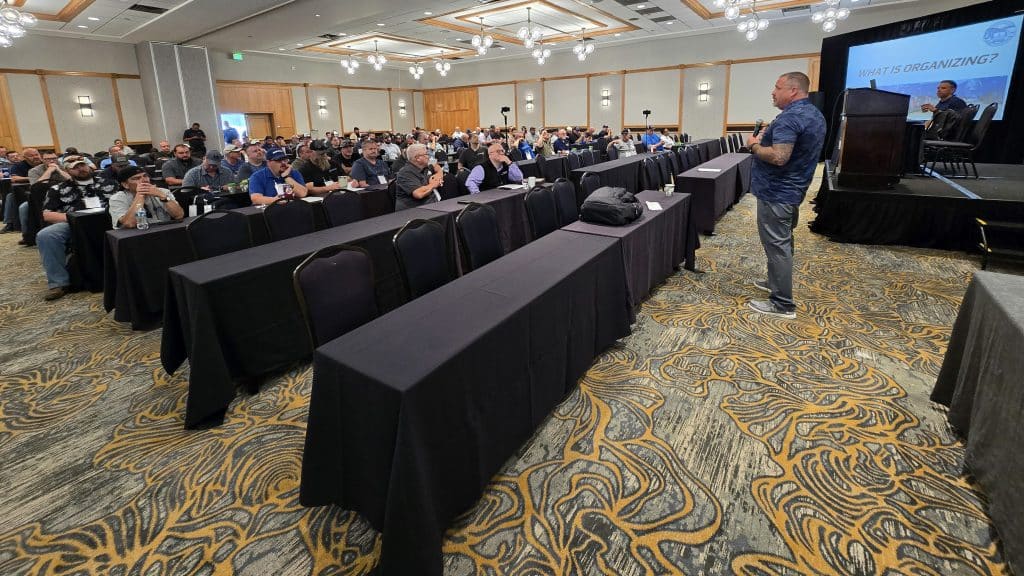
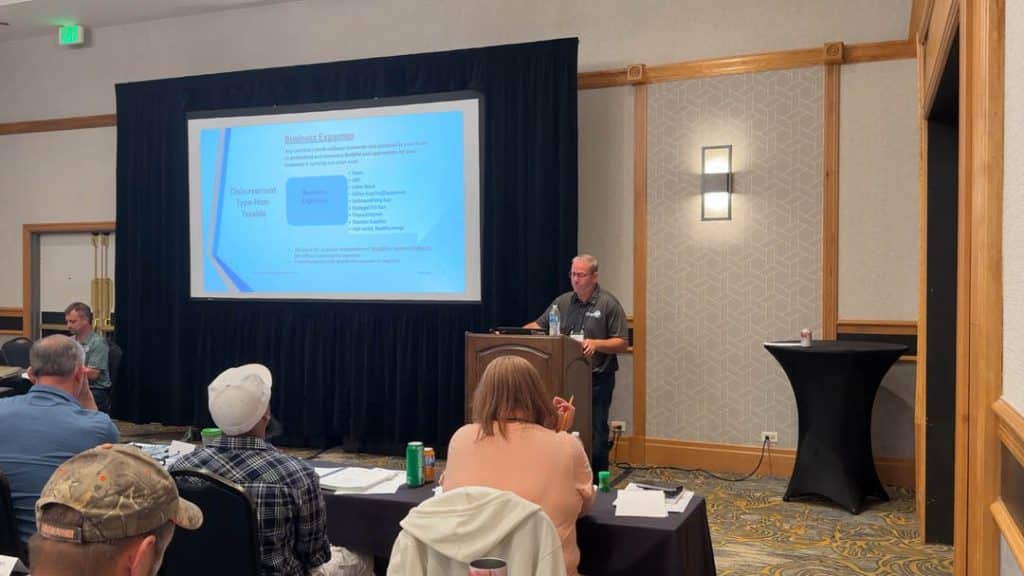
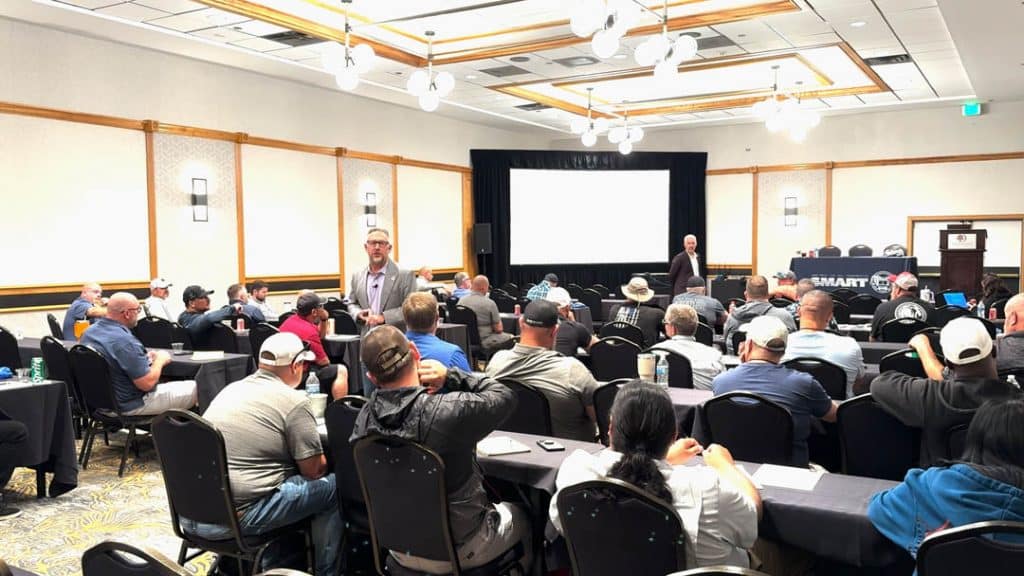
Andy Goeckner highlights some of SMART-TD’s recent organizing wins

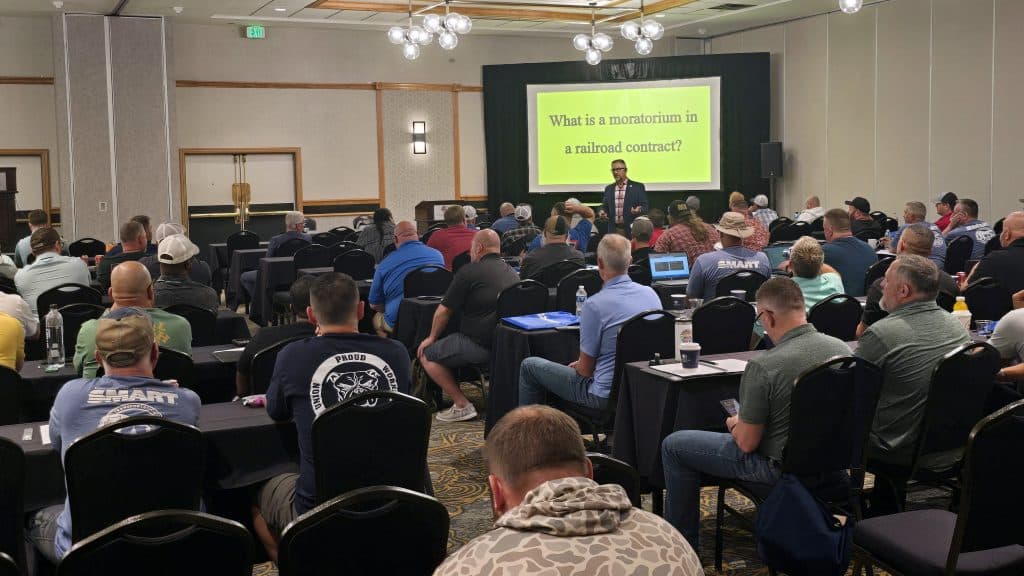
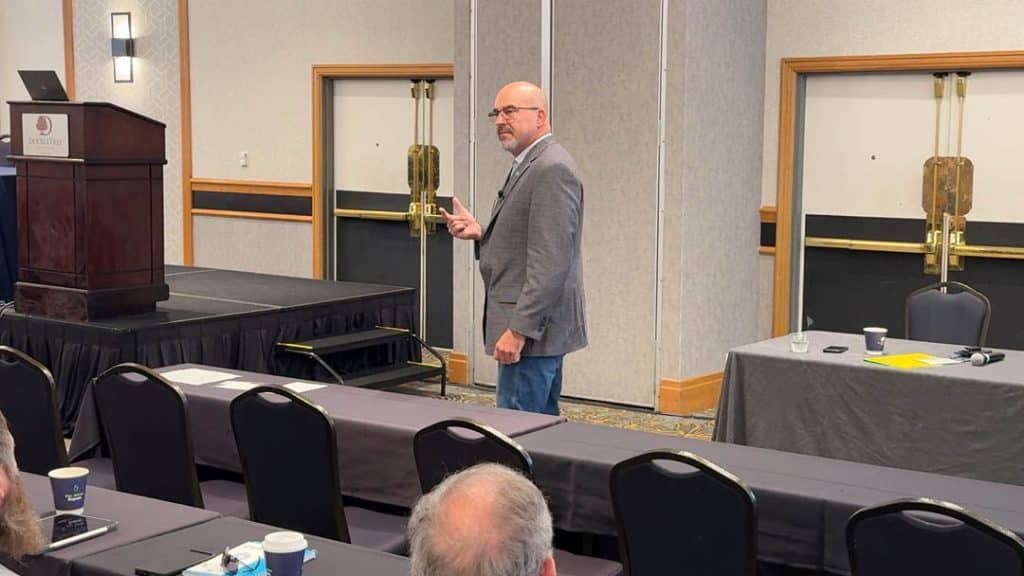
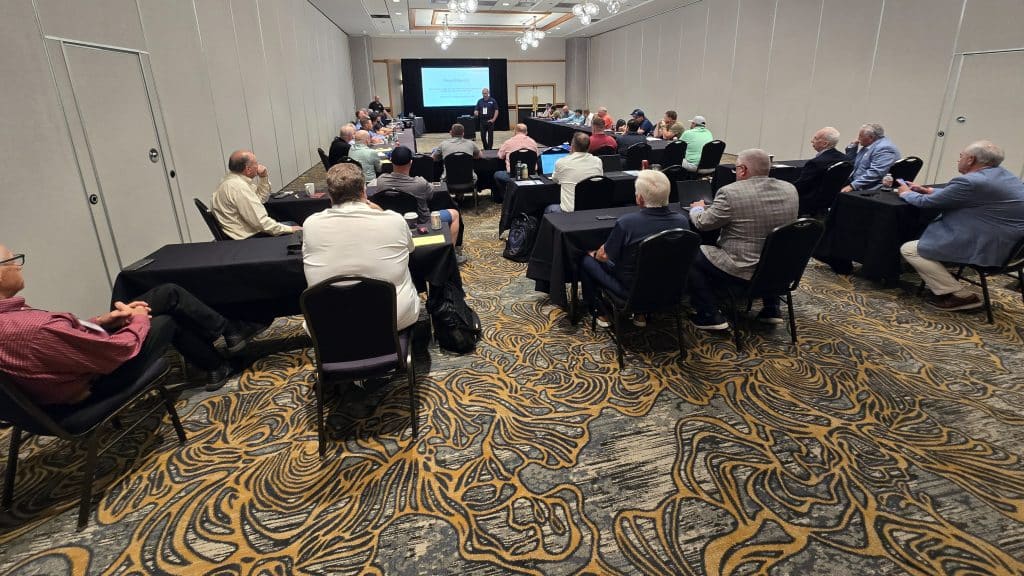
Nick Greficz teaches the Local Chairpersons Basics course 

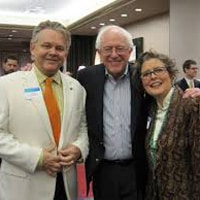
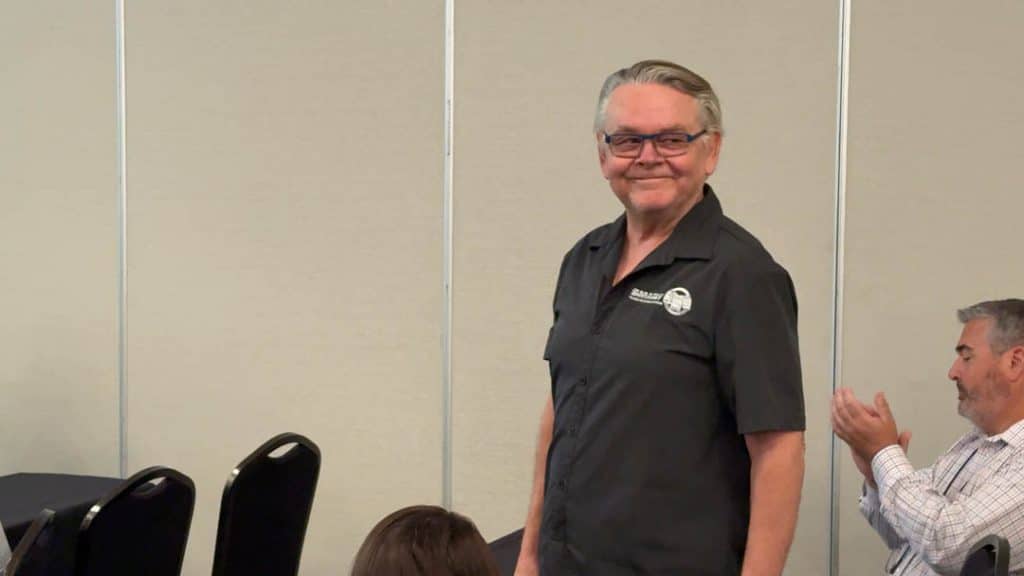
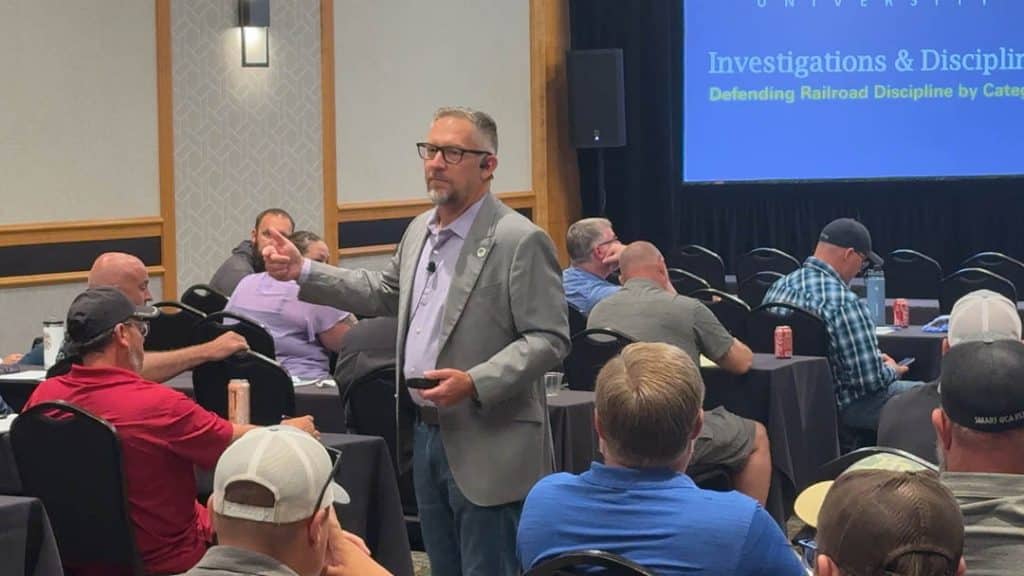
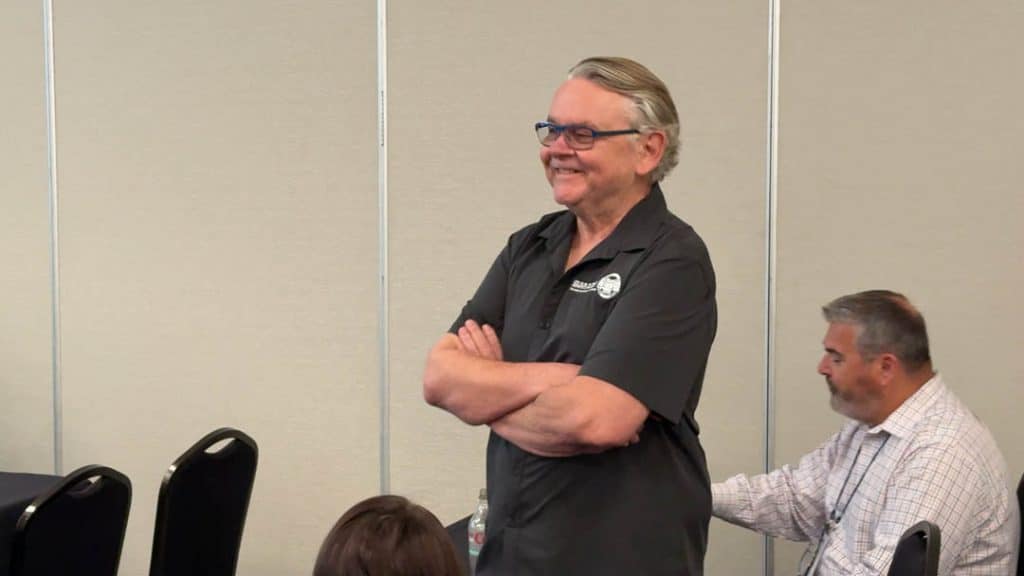
SMART-TD National Safety & Legislative Director Greg Hynes attends his last RTS

Members participate in a mock local meeting

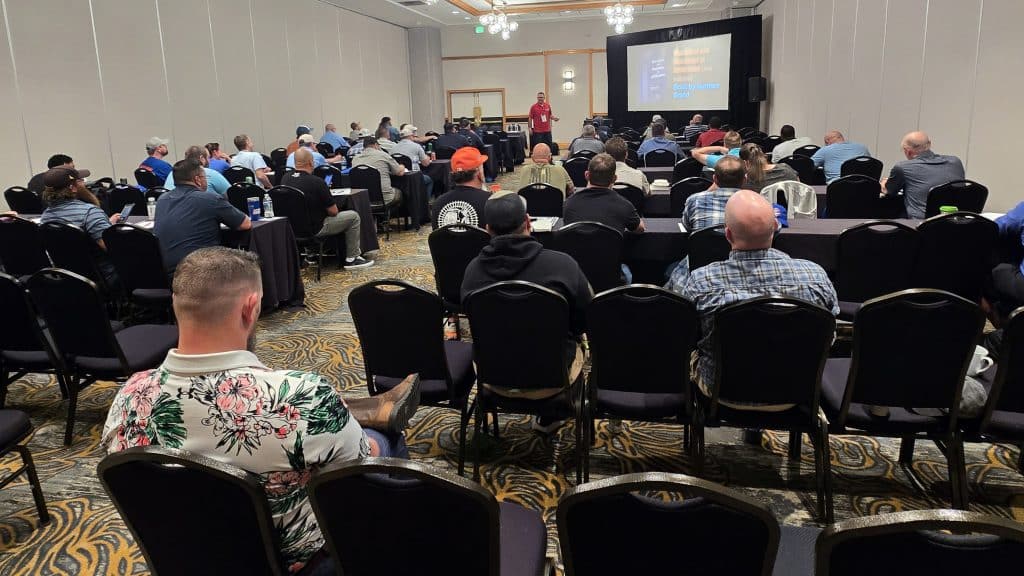
Vice President Jamie Modesitt teaches the Local Chairpersons Advanced course

Local 1075 member John Purcell participates in the mock local meeting

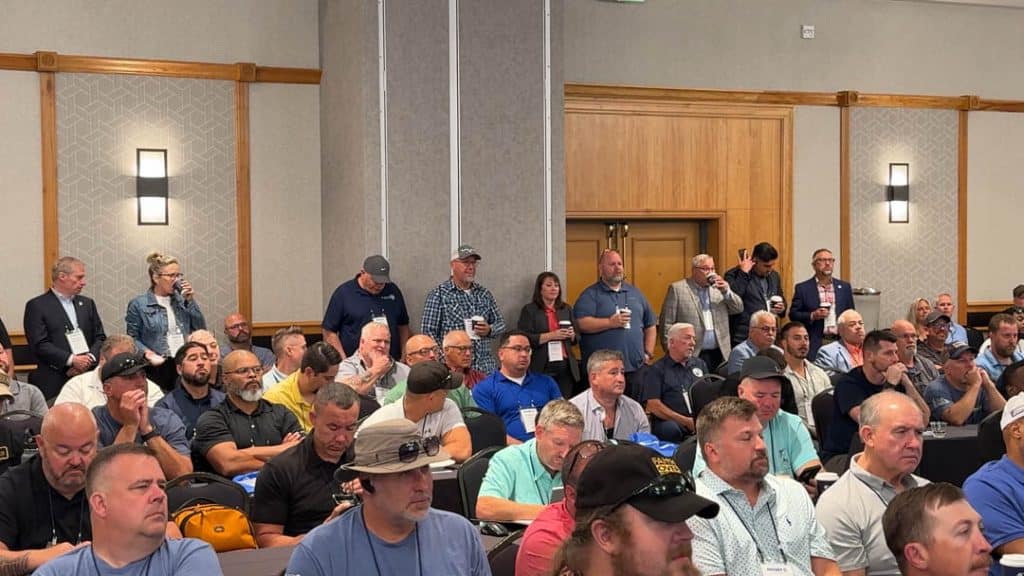
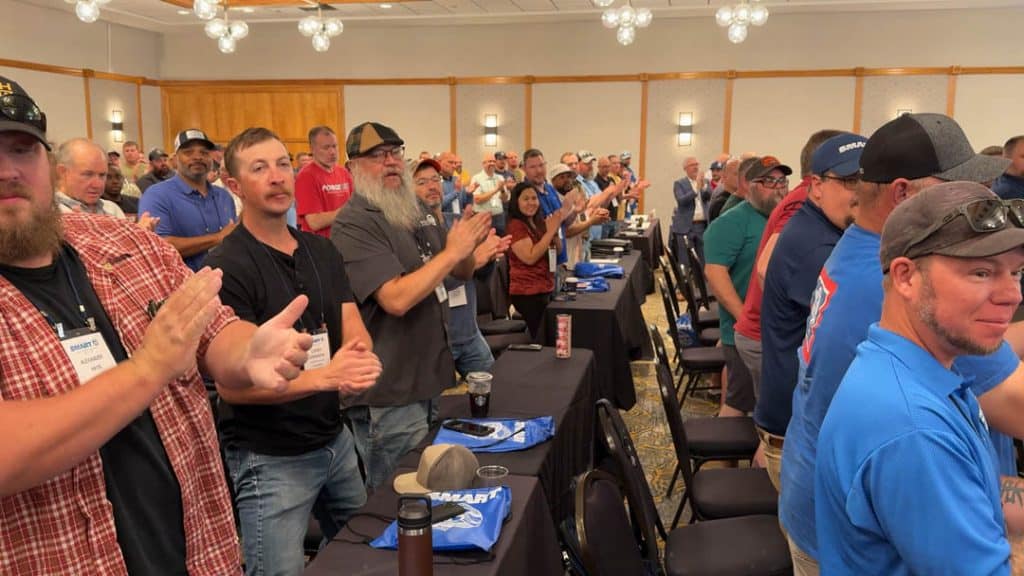
Members give a standing ovation to Greg Hynes ahead of his last RTS

VP Modesitt and VP Gary Crest lead a discussion during the Local Chairpersons Advanced course

With extreme heat and triple-digit temperatures leaving many of us sweltering this week, it’s impossible to ignore the danger these conditions present to railroad workers. 
 
Some of these heat-related concerns were discussed during Tuesday’s Occupational Safety and Health Administration (OSHA) hearing on its proposed new rule aimed at preventing heat-related injuries and illnesses. 

Railroading includes unavoidable heat exposure

SMART-TD is mindful of the dangerous realities of working in the rail industry, which Deputy National Safety and Legislative Director Jared Cassity emphasized in his testimony. 
 
“Railroading is unlike any other job I’ve ever had, despite the fact that all have required me to work outside,” said Cassity. “I think it’s critically important that you understand the nuances of railroading, the existing challenges, and the need for sufficient planning.”

When it comes to the impact that heat has on workers, Cassity notes that the rail industry can sometimes fall through the cracks. 
 
“The risk and the effects of heat are just as real for us as they are for anyone else,” he pointed out. “The exposures are long, the tests are difficult, and the need for proper planning, assessing, monitoring, communicating and training could not be greater.” 

A six-mile walk in the sun  

With unexpected breakdowns on the rise, often happening in less-than-ideal locations, conductors can quickly feel the effects of heat when making the long trek to the back of their trains. 
 
“[Conductors] can be forced to walk more than three miles on this difficult terrain just to get to the end of their train,” Cassity emphasized. “This takes energy and time, both of which are extremely problematic when exposed to extreme heat. That means without any repairs, just walking, a worker will be in the heat for more than two hours and limited to the water that he or she can carry.”

That “difficult terrain” encompasses a broad range of environments.  
 
“Railroading is not pretty, but it does traverse some of the best and worst landscapes this nation has to offer,” said Cassity. “But that also means that workers are tasked with walking trains in the desert, the mountains, or everything in between. This is where the rule would go a long way toward protecting the men and women working on or with America’s freight trains.” 

Lack of regulations is a major problem

Cassity explained that one of the biggest heat safety issues facing rail workers is the lack of functioning air conditioning in the cabs of locomotives, if it exists at all.  
 
Whether you’re moving or stopped, things can get very hot very quickly. 
 
“[In] a locomotive that doesn’t have working air conditioning, you are solely limited to the ambient air that is moving,” Cassity noted. “When you’re moving and when you’re idle, it gets really hot. I mean, if you can imagine sitting in a steel box while the sun beats down…some of the hottest experiences of my life, frankly, have been in a locomotive without working air conditioning.” 

Rest without retaliation

According to Cassity, what the railroad industry needs the most is established guidelines that outline when an employee must take a break or what to do when rest, shade, or hydration isn’t immediately available.  

That’s usually easier said than done.

“Most members that we represent on Class I railroads probably don’t take rest for fear of the repercussions from management and doing it,” said Cassity. “Even in the middle of summer, it is not something that’s readily talked about. There’s this theory that you can take breaks but knowing when that should occur or how that should occur is really not prevalent, and it’s one of the reasons that we are so firmly supportive of this: plans that protect the worker from discipline when trying to take the safest course and that empower and encourage them to be proactive and seeking breaks from the elements rather than powering through it.”

Class I Railroads Can and Should Improve

During the hearing, the American Short Line and Railroad Association (ASLRRA) said that the proposed rule is “overly burdensome” and shouldn’t apply to railroads, because they’re already regulated by the Federal Railroad Administration (FRA).

The organization added that it already has procedures in place to deal with heat-related emergencies, even though there supposedly aren’t many of them.  

Cassity says that’s not the case for larger railroads.  

“I also heard a lot of the conversation regarding the data and the suggestion or notion that there’s not very many heat-related injuries. In my experience, we have quite a few. They’re just not reported accurately or appropriately. And to me, that speaks to the fact that they’re not quite equipped to respond to those heat-related emergencies. I do not believe it to be a big lift for them.”  

What’s Next 

Hearings on OSHA’s proposed rule continue until July 2.

As we’ve said before and as Brother Cassity stressed, the safety and well-being of rail workers cannot be an afterthought. 

It’s time for our industry to take responsibility and for OSHA to ensure rail workers get the protection we deserve.   

Denver, CO — June 2025

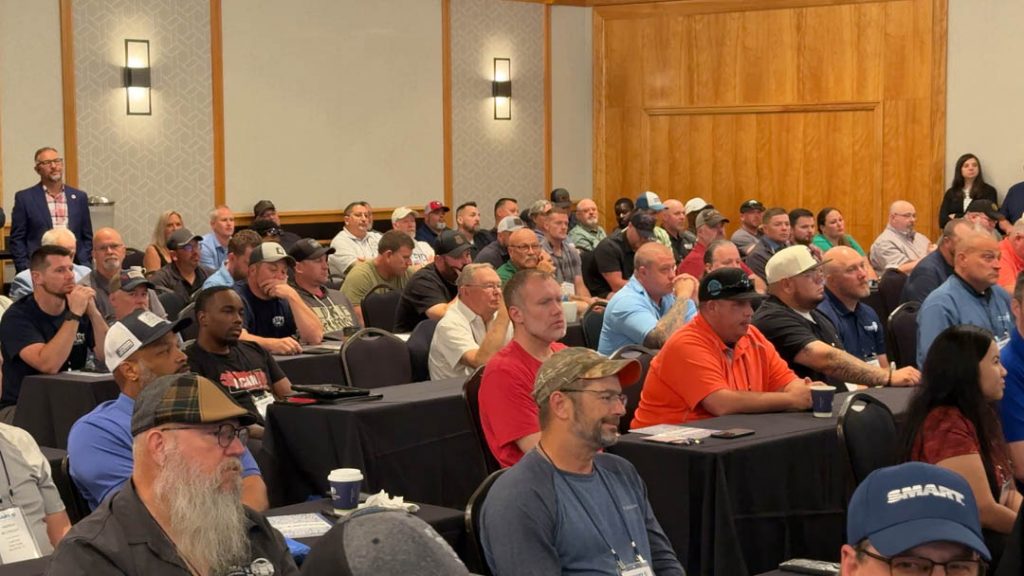
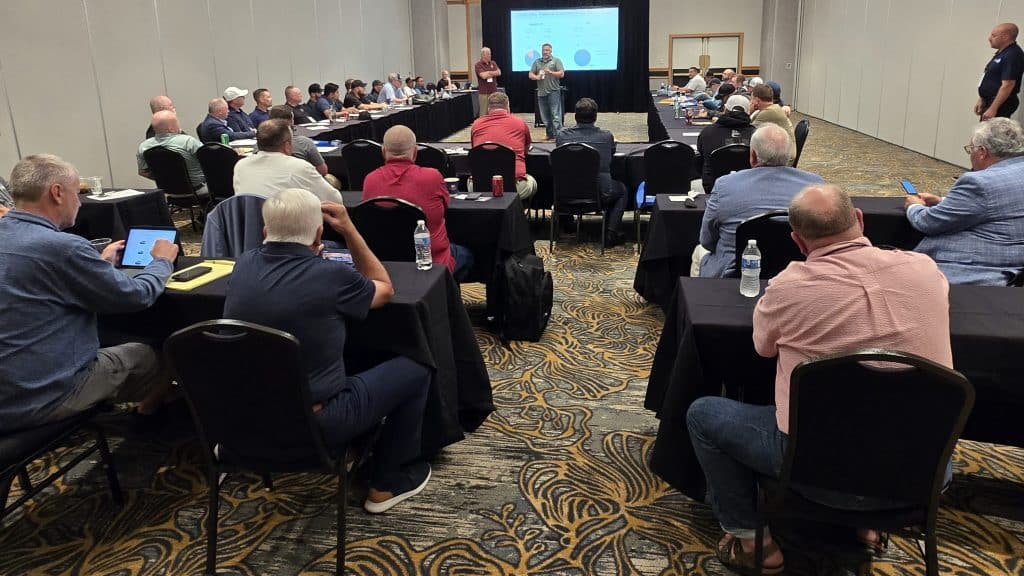
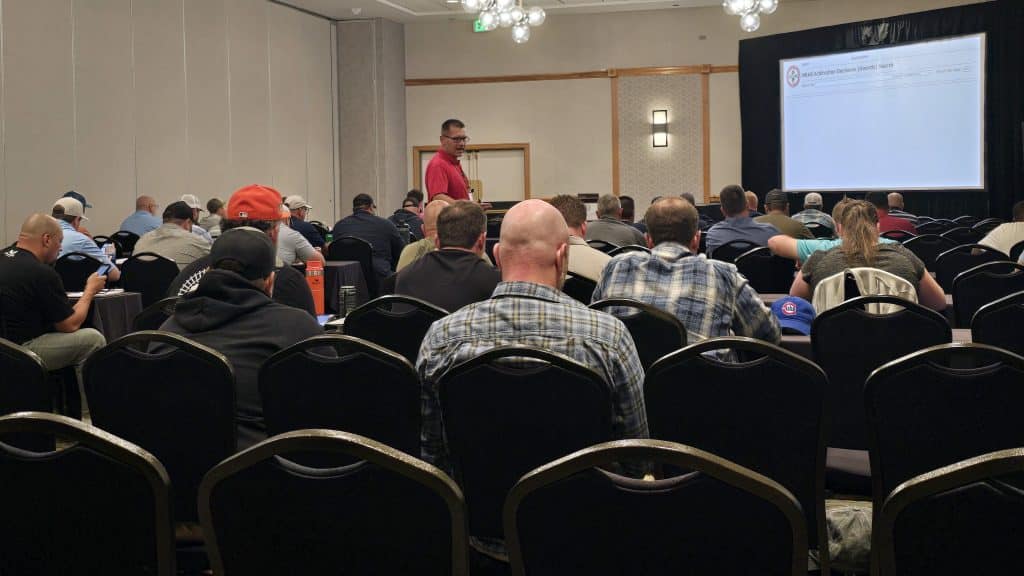
This week marks a major milestone in SMART-TD’s commitment to education, empowerment, and union solidarity as the Regional Training Seminar (RTS) in Denver, Colorado, sets a new attendance record. Over 300 brothers and sisters participated in our most impactful training event yet. 

From Local Necessity to National Impact 

What started with a handful of determined SMART-TD local unions five years ago has blossomed into a pillar of our union’s educational outreach. The RTS program was born from a simple but powerful idea: if locals couldn’t afford to send officers to attend a large annual training event, why not bring the education directly to them? 

Through trial, error, and constant feedback from our members, the RTS program has been honed and expanded. The curriculum is now widely recognized as an indispensable resource for local officers and emerging leaders.  

But don’t take our word for it: the proof is in the results. 

Education Drives Transformative Results 

Since the inception of the RTS, our union has seen a dramatic and notable increase in the win rate of appeals, a direct result of thoroughly prepared Local Chairpersons who are now better equipped to stand up for their members. That’s an easy metric to quantify, but the improvements don’t stop there. 

Our Presidents, Legislative Representatives (LRs) and Secretaries & Treasurers (S&Ts) are performing at a higher level than ever. Union reporting has become more timely and accurate, and the volume and quality of legislation SMART-TD drives at the state and local level has increased significantly. These gains stem from one core cause: the power of education. 

This is an idea that SMART-TD President Jeremy Ferguson emphasized during his address to attendees.  

“The success of our RTS education program is a direct reflection of our members’ commitment to each other. I’m immensely proud of every SMART-TD member who makes the effort to show up, sharpen their skills, and carry that knowledge back to their locals. This is how we win—not just in appeals or grievances, but in every arena of rail labor representation.” 

Denver’s Local 202 Leads from the Front 

Hosting this historic event was SMART-TD Local 202 out of Denver, which set a shining example of active participation. From the Local President, to the Secretary Treasurer, to Legislative Representatives and up-and-coming officers, Local 202 had representation in every training track. 

Local 202 members wore their union pride on their sleeves, literally, with custom-designed SMART-TD Local 202 shirts. It was easy to spot someone from Denver, who were always ready to help a fellow attendee. They lived up to the old railroad wisdom: “Be where the work is.” This week, the work was in Denver, and Local 202 was right in the thick of it. 

Building Momentum Across the Nation 

The word is out. The curriculum is stronger than ever. The results are visible and impressive. As interest and participation continues to grow, RTS becomes more than training: it’s a movement that is the envy of rail labor across the country. 

Our momentum is driven by our members who see that knowledge is more than power. It’s protection. It’s advocacy. It’s unity. 

Help us break more records, one training session at a time.  

If you haven’t attended an RTS yet, start planning now. We have two more regional training events in 2025. Registration is currently open for our next RTS in Anaheim, California, from September 8-11. The last one for the year will be held in Atlanta, GA from October 27-30.  

Stay tuned for 2026 dates and locations, where we will bring the tools, expertise, and solidarity to a region near you.  

The Anaheim Regional Training Seminar (RTS) begins on Monday, September 8, 2025, with an evening Welcome Reception. The training will cover topics such as local governance, the roles and responsibilities of local presidents, secretaries, treasurers, legislative representatives, and local chairpersons in member advocacy, an overview of the SMART Constitution, and other key subjects.  

  • Location: Hotel FERA Anaheim, a DoubleTree by Hilton 
  • Dates: September 8-11, 2025 (S&T : September 8-12) 
  • Room Rate: $159/night  
  • Registration Fee: $75  

For a detailed meeting agenda, please visit the Meetings page via the SMART Union mobile app.  

We look forward to seeing you in Anaheim!  

Space in some of the training tracks is limited and will be filled on a first-come first-served basis. Register early.  

Registration closes on August 25, 2025, and there will be no onsite registration available.   

To Register for Classes: RTS Registration ►  
To Book Your Hotel Reservation: Hotel Reservation Link ►  

Please note: Attendees are responsible for making their hotel reservations. To ensure that you secure a room at the discounted rate, please make your reservation by August 11. 

For more information, contact Nick Torres in the SMART-TD office at 216-227-5269 or by email at ntorres@smart-union.org.  

Too often, the drivers of vehicles that block a railroad crossing fail to notice the blue and white Emergency Notification System (ENS) signs that can prevent tragedy. Operation Lifesaver wants to change that.   
 
Tomorrow (June 24) marks the first-ever Emergency Notification System (ENS) Sign Awareness Day, which draws attention to the potentially life-saving significance of these signs for the general public.   
 
Help spread the word: click here to access a digital toolkit that you can use to raise awareness about rail safety and ENS Signs in your community. ►  
 
You can also help Operation Lifesaver, Inc. (OLI) by e-mailing your effort to promote their campaign with news@oli.org, or use the hashtags #ENSSignAwarenessDay, #ENS, #ENSSign, #FindTheSign and #StopTrackTragedies on social media.  

Operation Lifesaver

Operation Lifesaver is on a mission to reduce preventable crashes, injuries, and deaths on and near railroad tracks.

ENS Sign Awareness Day is aimed at helping the public understand what to do if there’s an emergency at a railroad crossing.  
 
ENS Signs list a phone number and location details that callers can relay directly to the railroad during an emergency or if they spot a safety concern near the tracks.  
 
If your car gets stuck on a railroad crossing, get out of your vehicle and if a train is not approaching, locate the blue and white ENS sign that’s posted on the traffic signs. 
 
Don’t forget to provide the crossing number that identifies your location so that train traffic can be alerted.  
 
When every second counts, knowing how to locate and use the information on these blue and white signs can be the difference between life and death.  
 
If you can’t locate the sign in an emergency, call 911 immediately.

“Find the Blue and White to Save Your Life” 

With over 200,000 railroad crossings in the United States, OLI encourages all Americans to know how to find and use an ENS Sign.  
 
The life you save could be yours.    

Our union was formed when individual workers banded together to protect themselves, and that foundation is still the basis for who we are today. 
 
As we grow in numbers, we grow in power — but no matter how we grow, our purpose never changes: members helping members receive just treatment, fair wages and the resources needed to endure difficult times. 

Our strength is demonstrated in our agreements, our efforts to improve laws and regulations, and in the benefits our pooled resources secure for our mutual benefit.

New Properties Choose SMART-TD

Since January, we’ve had three short-line railroads join SMART-TD, often by unanimous or overwhelmingly large margins.  
 
The first was Wilmington Terminal Railroad, which is a subsidiary of Genesse and Wyoming. 

Working without representation under G&W since 2005, the workers voted unanimously to join SMART-TD in January 2025.  

Two weeks later another G&W property, Connecticut Southern Railroad, also joined our union in a nearly unanimous vote. 

Connecticut Southern workers struggled to get results under an umbrella agreement with the Brotherhood of Locomotive Engineers (BLE). When they finally decided it was time to raise their voice, they chose to speak through SMART-TD instead. 

The most recent addition to the SMART-TD family came in June when workers from both the Transportation and Engine (T&E) crafts as well as the Maintenance of Way (MOW) crafts with the Arkansas and Missouri Railroad (A&M) voted to organize in a landslide.  
 
Our size, strength and expertise are important factors in these choices.

But, more importantly, our organizers and representatives understand something fundamental: it’s not about SMART-TD.

On every property and with every negotiation, the focus is on our members being heard. Our strength backs their initiative, and together we build better workplaces. 
 
This is just a snapshot of what our Organizing Department has accomplished at the halfway point of the year. They’re just getting started. 

TD is Trained to Win Strong Agreements

Negotiating strong agreements is the cornerstone of our success.

It’s hard to argue against our value when fair compensation, humane workplace practices, and just treatment are spelled out in the black and white of our negotiated agreements.  

There is no union without our members, and there is no other way to ensure individual voices are heard, actual needs are met, and that the demand for respect on the job is satisfied. 
 
Whether it’s new hires at Zum Transportation (Local 1706) getting a front-row seat to SMART-TD’s Bus Department’s negotiations with their new employer or ratifying a precedent-setting tentative agreement for Local 1732 at TransitAmerica Services Inc. (TASI) in California, our union fights like hell for our members at the bargaining table and beyond. 
 
Our members’ pay and benefits should reflect the professionalism, knowledge, and dedication that they bring to the job.

We saw this firsthand with several tentative agreements (TA) that were overwhelmingly or unanimously ratified during the first half of the year. These include conductors and assistant conductors negotiating with Keolis Commuter Services, bus operators ratifying a new four-year agreement with Red Apple Transit in New Mexico, and Local 1887 members securing meaningful change with Birmingham Terminal Railway. 

Our negotiating teams redefine what’s possible for rail, bus, and transit wages across the country.  
 
We didn’t stop there.  
 
Within the last two months, agreements have been reached between SMART-TD Local 598 and the Alabama Port Authority, California Local 1741’s Local Committee of Adjustment (LCA) and San Carlos Schools, and SMART-TD Local 1701 and Montebello Transit. 

SMART-TD Ratification Record Driven by Listening to Local Needs

Since 2024, SMART-TD’s General Committee of Adjustment (GCA) 049 has secured TA’s with five short-line railroads, including the Louisville & Indiana (L&I) Railroad last year. 
 
Three of those TA’s have been ratified, another is currently being voted on by the members, and the last one is about to go up for a vote.  
 
GCA 049 General Chairperson Rick Lee points out that “The biggest difference [with the short lines] I think was the inclusion of the local guys,” Lee explained. “One of the keys of success [is that] we’ve always included our short-line local chairmen in the negotiations.” 
 
That wasn’t the case when they were under different representation. 
 
“They basically had no input. It was basically a product handed over to them,” GC Lee said. “They were very pleased with the fact that the local chairman was at the bargaining table and of course [the local chairmen] really the eyes and ears of those local properties. I don’t know the little nuances of the important facts they bring to the table.” 
 
That’s why so many new properties choose to organize with SMART-TD: we make it happen by including them in the process as much as possible. 

Together, our union is creating a movement, and these victories are proof.

June 1, 2025 — When Local 816 (Harrisburg, Pennsylvania) Secretary & Treasurer Missie Tober first heard about the MUDGIRL Obstacle Race from her cousin, she thought it sounded interesting.   
 
After an ad for it popped up on her news feed last year, she convinced Local Committee of Adjustment (LCA) 769A Local Chairperson Annmarie Grisafi and Tonya Bragunier (Local 816) to sign up and join her.  
 
The group had such a great time that they added two more union sisters, Dominique Cooper and Lexi Jones, for this year’s event at the Pocono Raceway.

Showing Their Union Pride 

Sister Tober wanted everyone to wear something that represented their job but hit a roadblock trying to contact Amtrak directly.

Luckily, former GO-769 General Chairperson Rick Pauli put her in touch with SMART-TD International, who outfitted the group with shirts for the race. 

“All my friends from work are doing this, and I wanted to represent something (the shirts) from our job,” said Sister Tober. 

3 Miles of Mud to Fight Breast Cancer

MUDGIRL is a three-mile obstacle race in the mud that’s open to women of all ages and fitness levels.  
 
“It doesn’t matter your age, your height, your weight, your anything,” explained Sister Tober. “If you’re not comfortable with an obstacle, you don’t have to do it.  
 
The event is held in various cities across the country throughout the year and supports the fight against breast cancer.  
 
The fact that Sister Cooper, Sister Jones, and other Amtrak employees have family members who are also breast cancer survivors made the group’s participation even more meaningful.  
 
“It just shows that we can get together, we can work together, we can support each other and be there for each other as a group in a community,” explained Sister Tober. “These crew bases are like families. We spend the majority of our time with each other, and we do support each other 100%.” 
 
After losing her sister a few years ago, Sister Tober saw this firsthand.  
 
“Coming back to work was very difficult, but every single one of them was there for me,” she remembered. “Every single one of them reached out to me when I was at home.  We’re there for each other. We actually have formed friendships and bonds.” 

Larger Team to Return to Poconos Next Year

With a year to go until the next MUDGIRL in The Poconos, the group is already getting prepared, including adding two more women from Harrisburg and a few from Philadelphia to the team.

“The one girl actually rents a house for the weekend,” said Sister Tober. “She takes a little vacation, rents a house in The Poconos for the weekend, and we all stay there. It’s great bonding for the women at Amtrak.” 
 
Sister Tober encourages women from any Amtrak crew base to look up “MUDGIRL Obstacle Race,” see if there’s one taking place near them, and sign up to participate as a team. 
 
The bonds formed will go beyond the obstacle course or the crew room. 
 
“It’s just a really fun time, and it’s a very supportive way for women to get together and it’s for a wonderful cause.”  

The SMART-Transportation Division is proud to announce a new benefit allowing members and their families to reach their higher or continuing education goals.  
 
In partnership with Employee Benefit Systems, Inc. (EBS), the Union College Benefit provides discounted tuition at accredited colleges and universities across the country.  

“I’m proud that we’re now able to offer this benefit to our members and their immediate family members who are interested in continuing their education” said SMART-TD President Jeremy Ferguson. “Whether on the rails, on the road, or when it’s time to hit the books, our union is once again setting the standard for what it means to support our members in every aspect of their lives. We welcome our partnership with EBS and hope that our brothers and sisters will take advantage of this educational opportunity.” 
 
Tuition discounts are available for more than 150 programs, including Business & Finance, and Information Technology. A complete list of courses and participating colleges and universities can be found on the SMART-TD EBS website. 

Learn on Your Schedule 

The programs are fully online and can be completed on a part or full-time basis. The ability to study without a fixed schedule ensures that students can pursue and achieve their educational goals on their own terms, at a pace that fits within their valuable and often limited free time.  
 
Members who take advantage of this benefit receive a pre-enrollment evaluation to determine how existing credits (if applicable) may impact their degree. Various student support services are available to help navigate the challenges that can come with returning to college after an extended period.  
 
Veterans who apply will have full access to hard earned and well-deserved GI Bill benefits.    

To get started on the next step in your education journey, follow these three steps: 

  • Get matched with a college or university that aligns with your experience, goals, and interests 
  • An admissions counselor will reach out with detailed, specific information, including your out-of-pocket costs, transfer credits, and instructions on completing the admissions process 

Click here to learn more about the program and take the next step in your academic journey today.  ► 

Disclaimer: Participation in the Union College Benefit program is entirely voluntary. This communication is for informational purposes only and does not imply endorsement of Employee Benefit Systems, Inc. (EBS) or of any particular college or program offered through this benefit. Members are encouraged to conduct their own research and due diligence to determine whether a particular institution or program aligns with their individual educational and professional goals.