SMART members and union construction workers across Canada have their sights set on a bright future: Thanks to partnership with the federal government, huge investments are being made in Canadian infrastructure and the building trades. From nuclear energy to ongoing work on hospitals, data centers and beyond, enormous workforce demands are coming down the pipe.

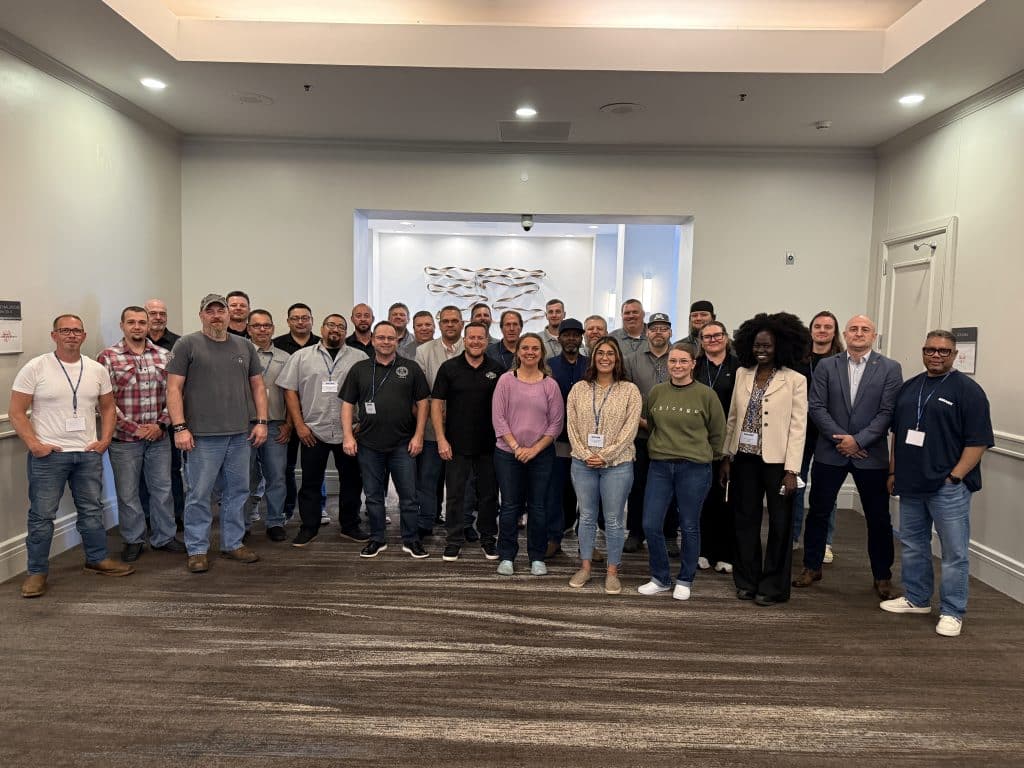
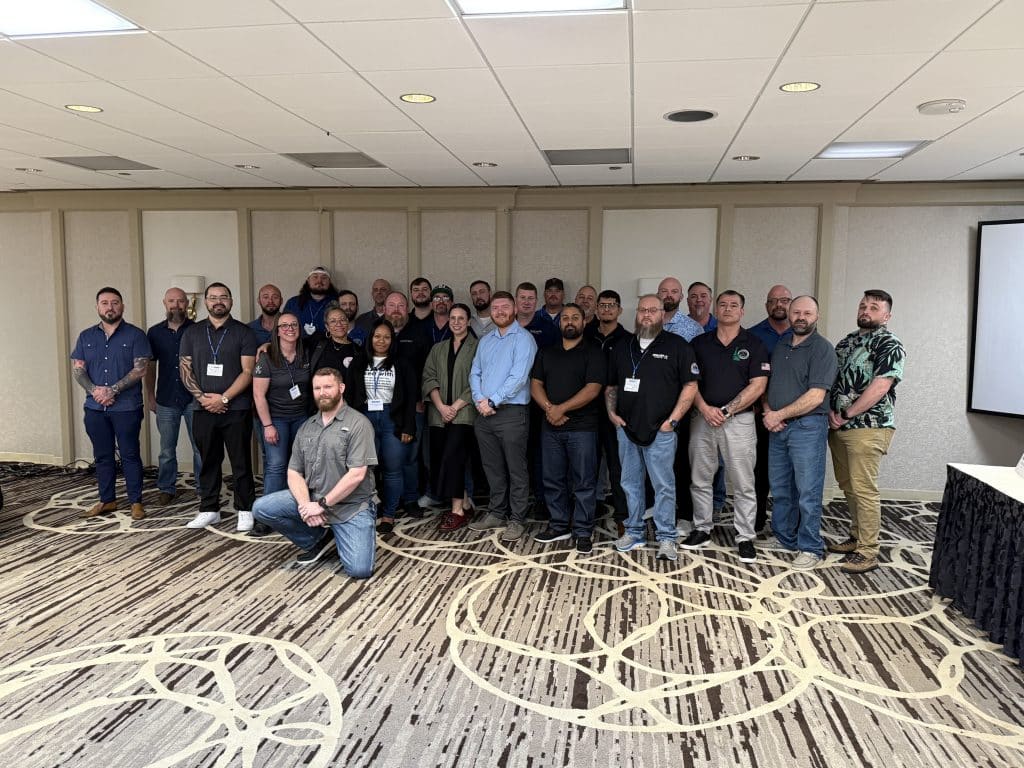
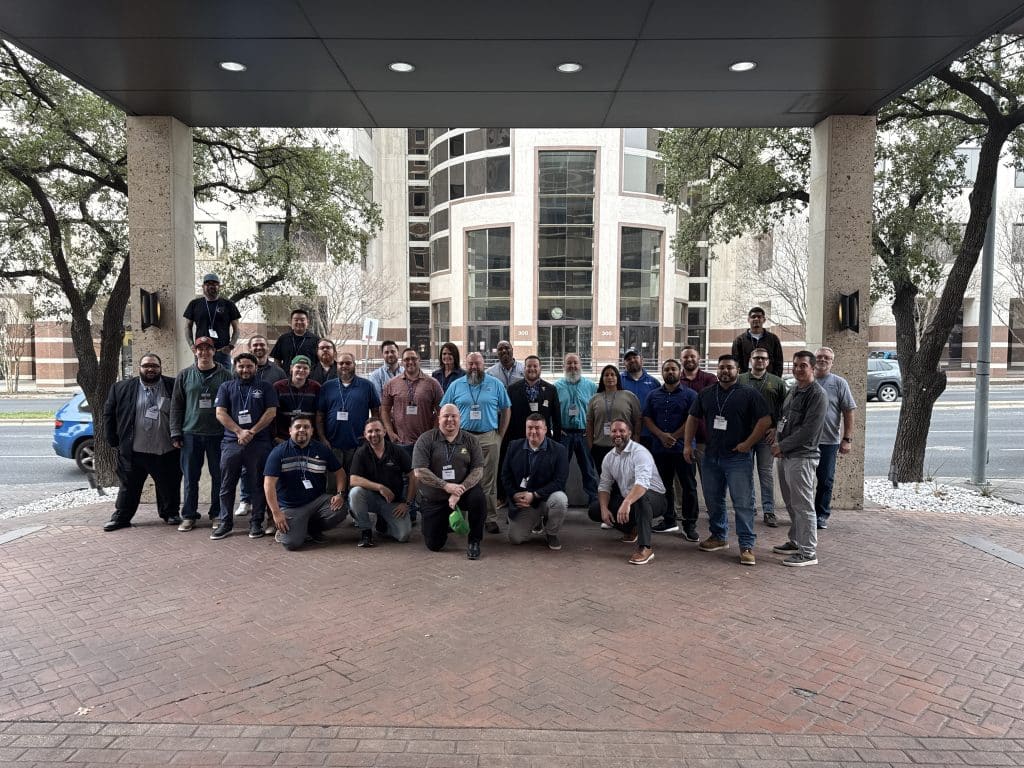
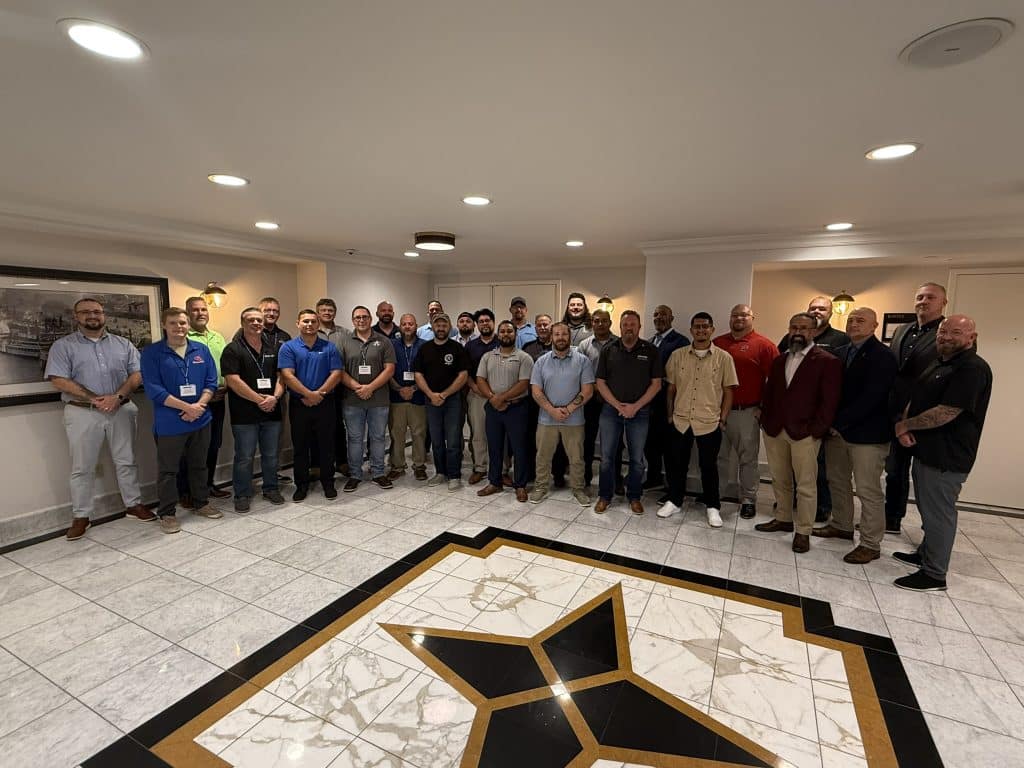
That’s why it’s more important than ever for SMART local unions to continue growing their signatory contractor base, providing more work opportunities for members in every province. And that’s why the Education Department held its Top-Down Organizing class the week of July 20-24, 2026, in Ottawa, Ontario — the first class that SMART has held in Canada. (The department plans to return again in October and twice annually moving forward.)
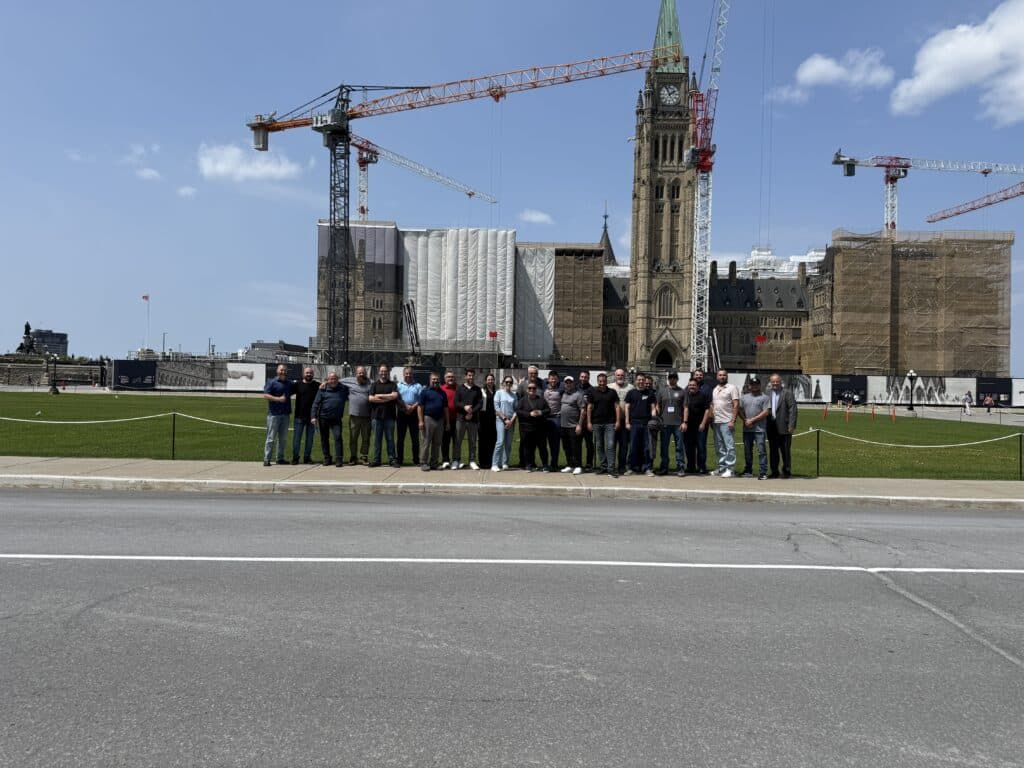
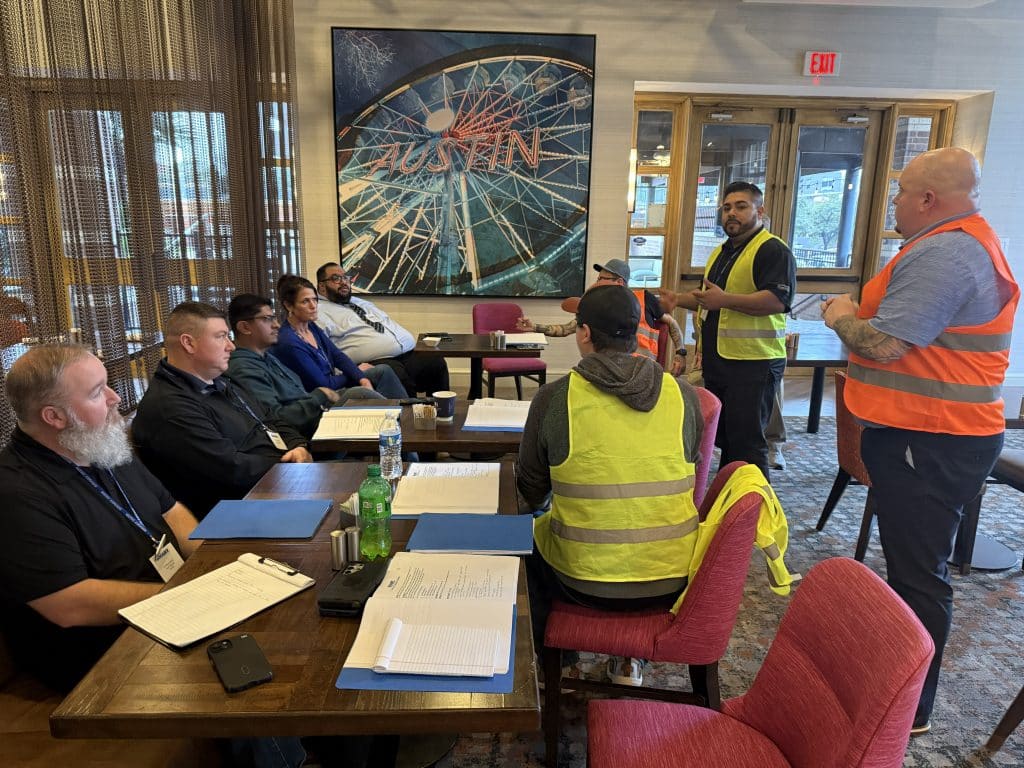
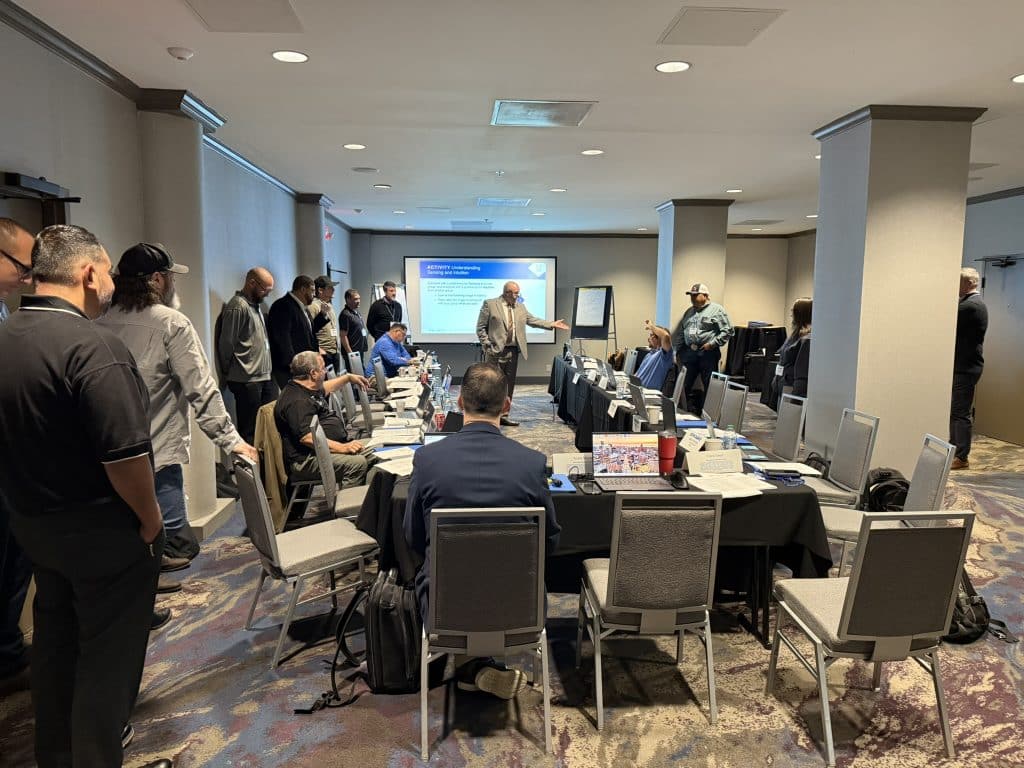
The July class focused on the “top-down” organizing strategy — where the local union approaches a contractor directly — with a specific focus on developing organizing campaigns targeting non-union contractors. The main focus of the class was on how to understand the needs of non-union contractors and how to communicate with them to translate our principles into information they find valuable. 

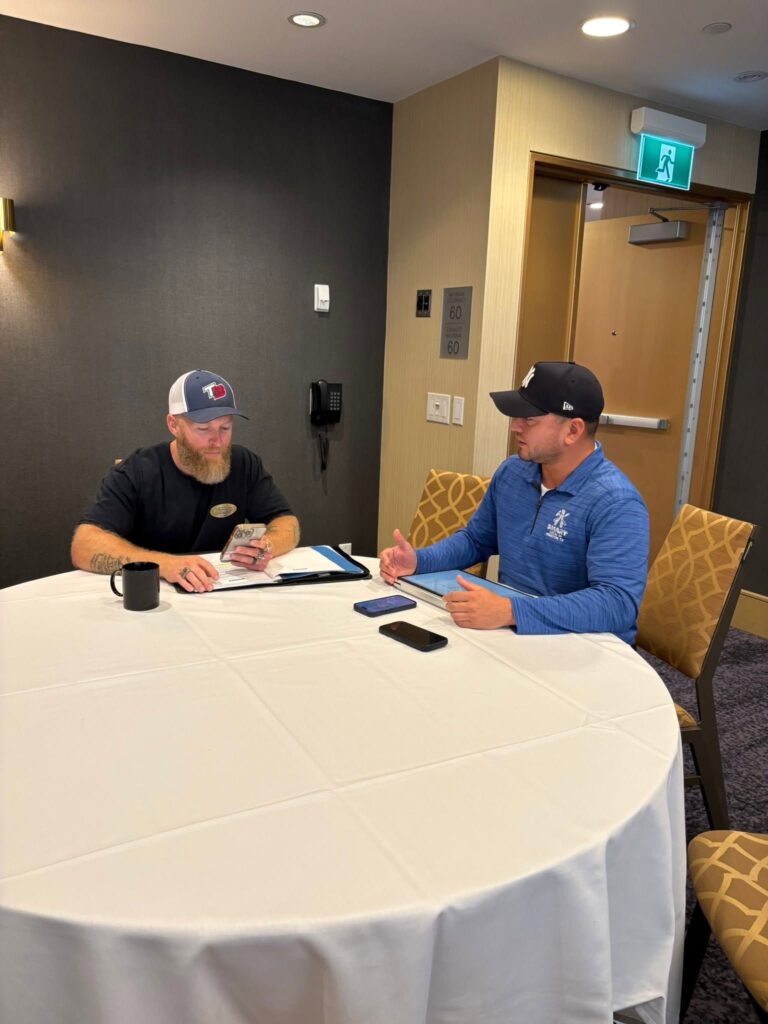
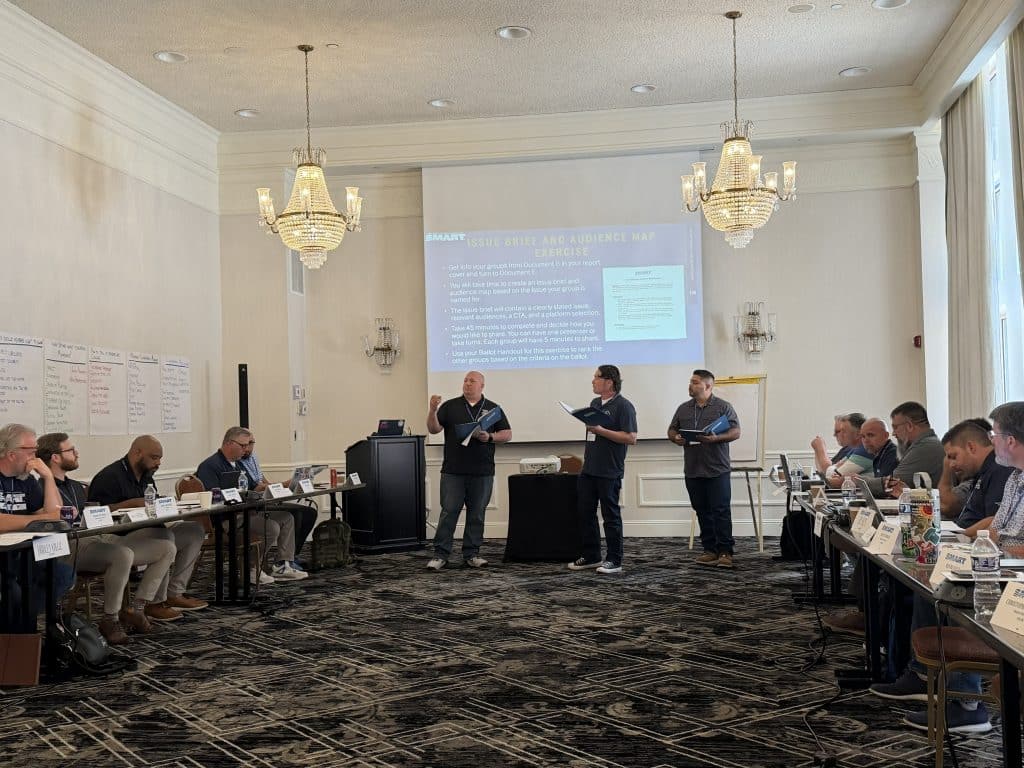
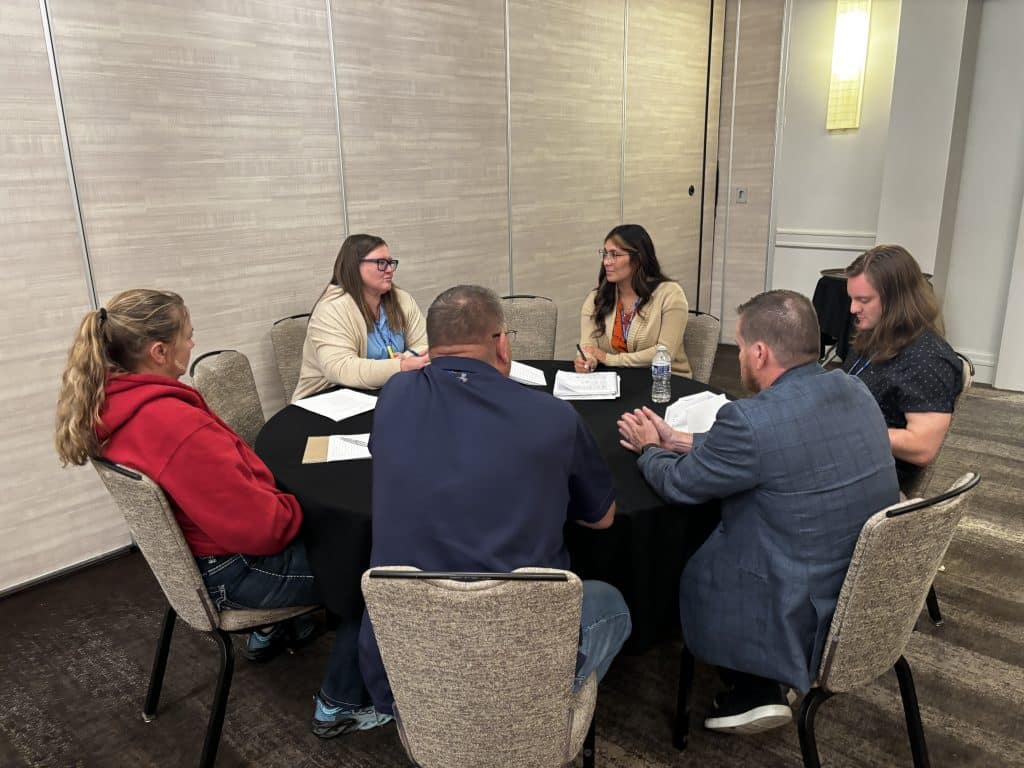
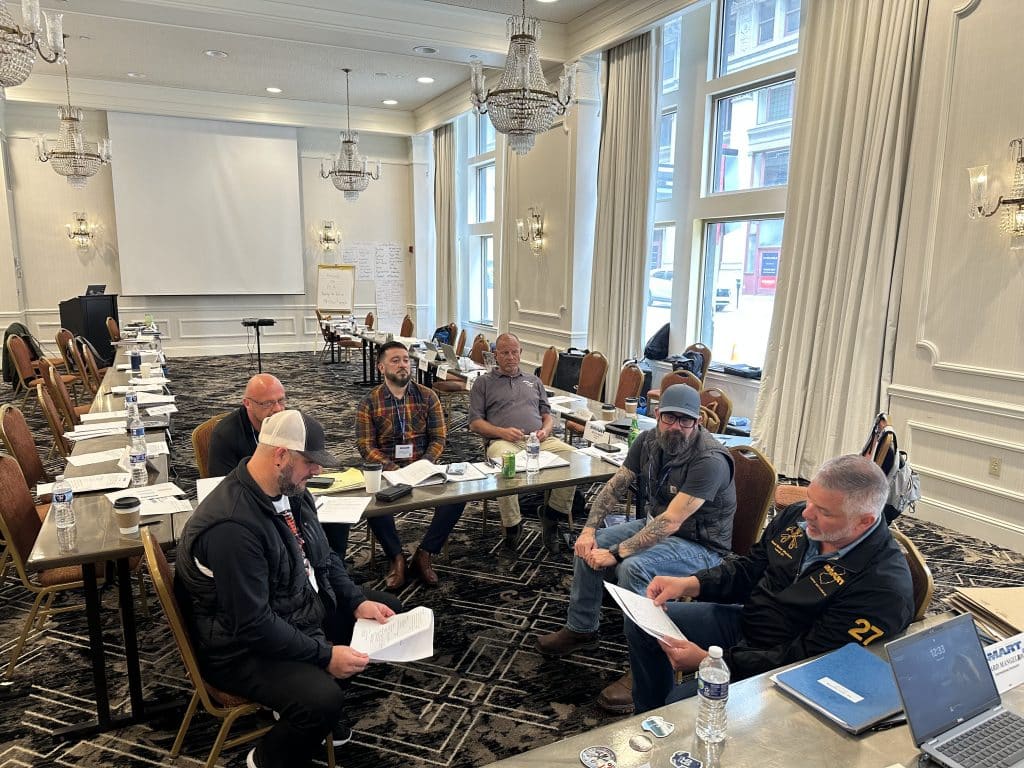
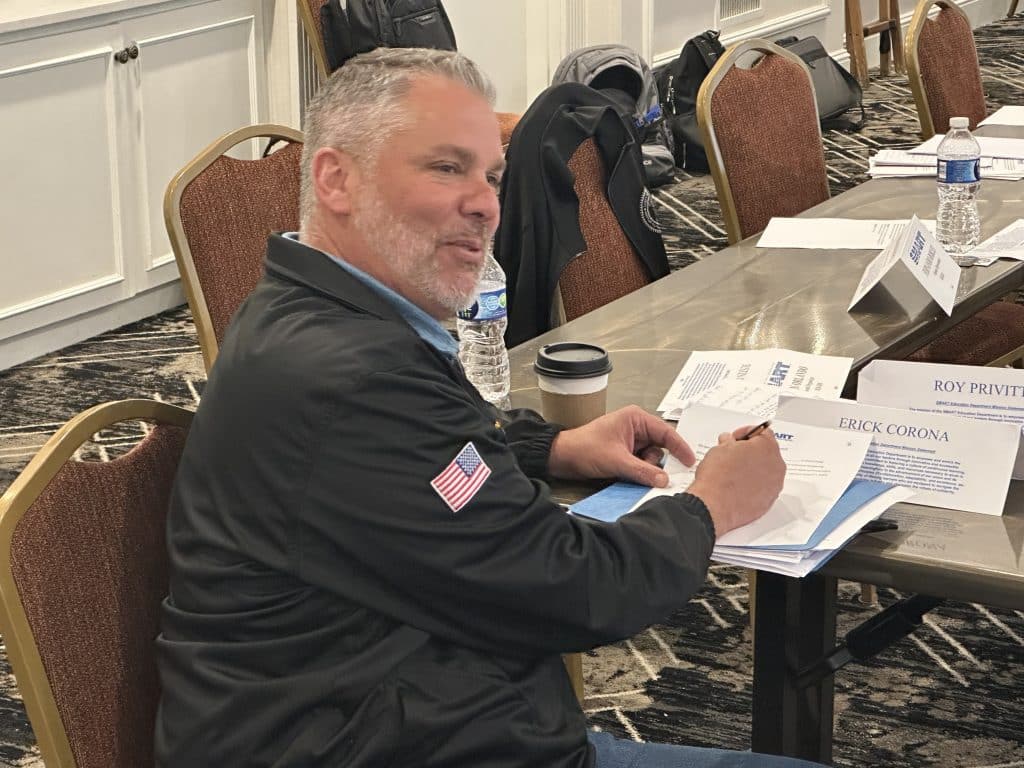
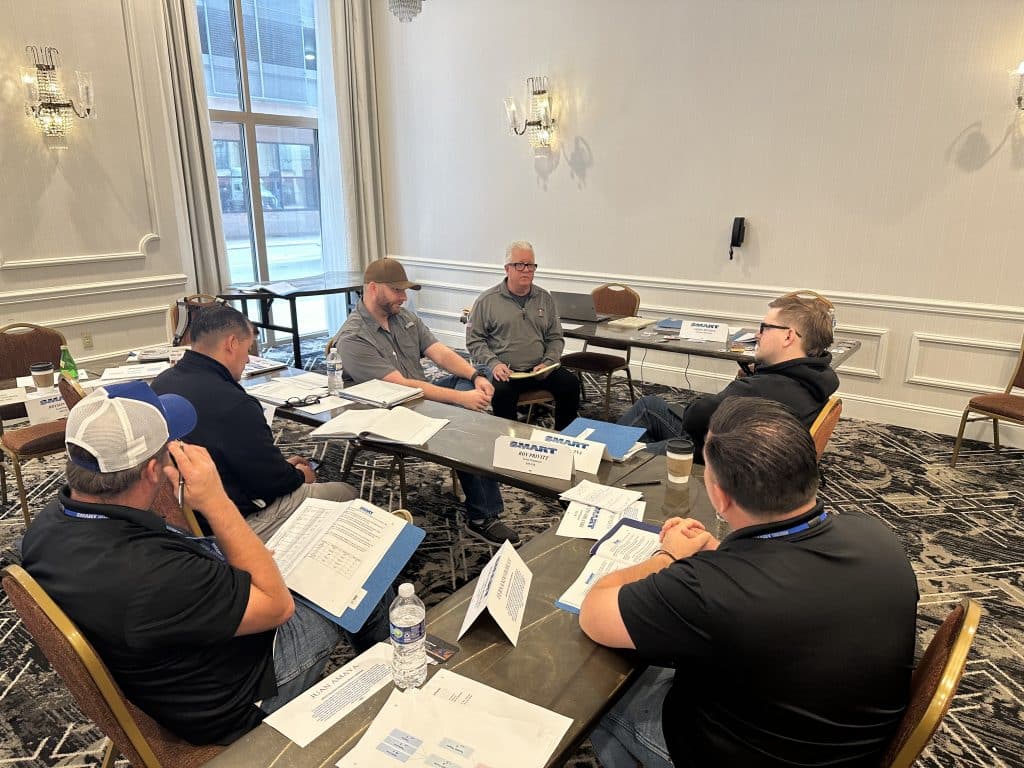
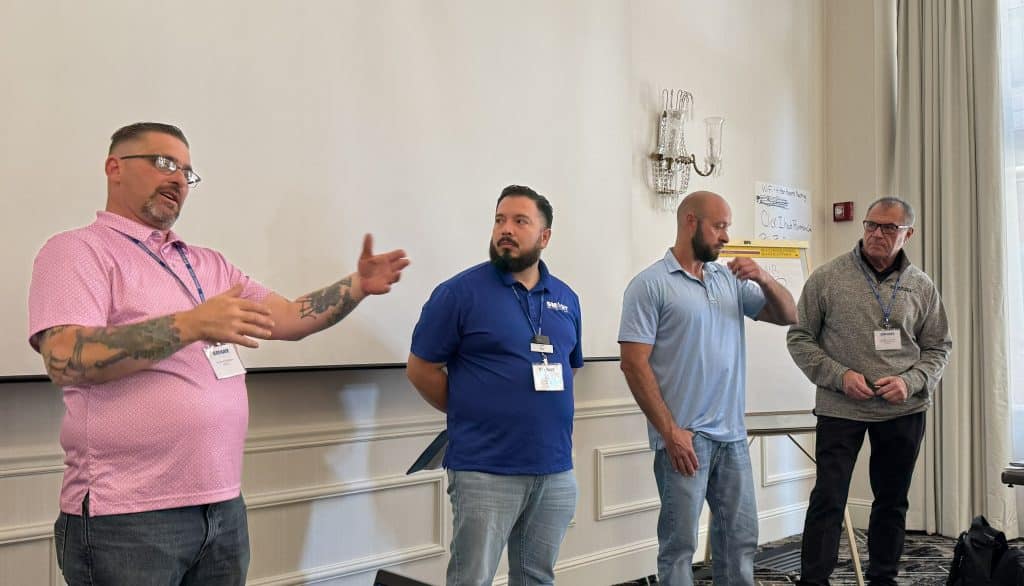
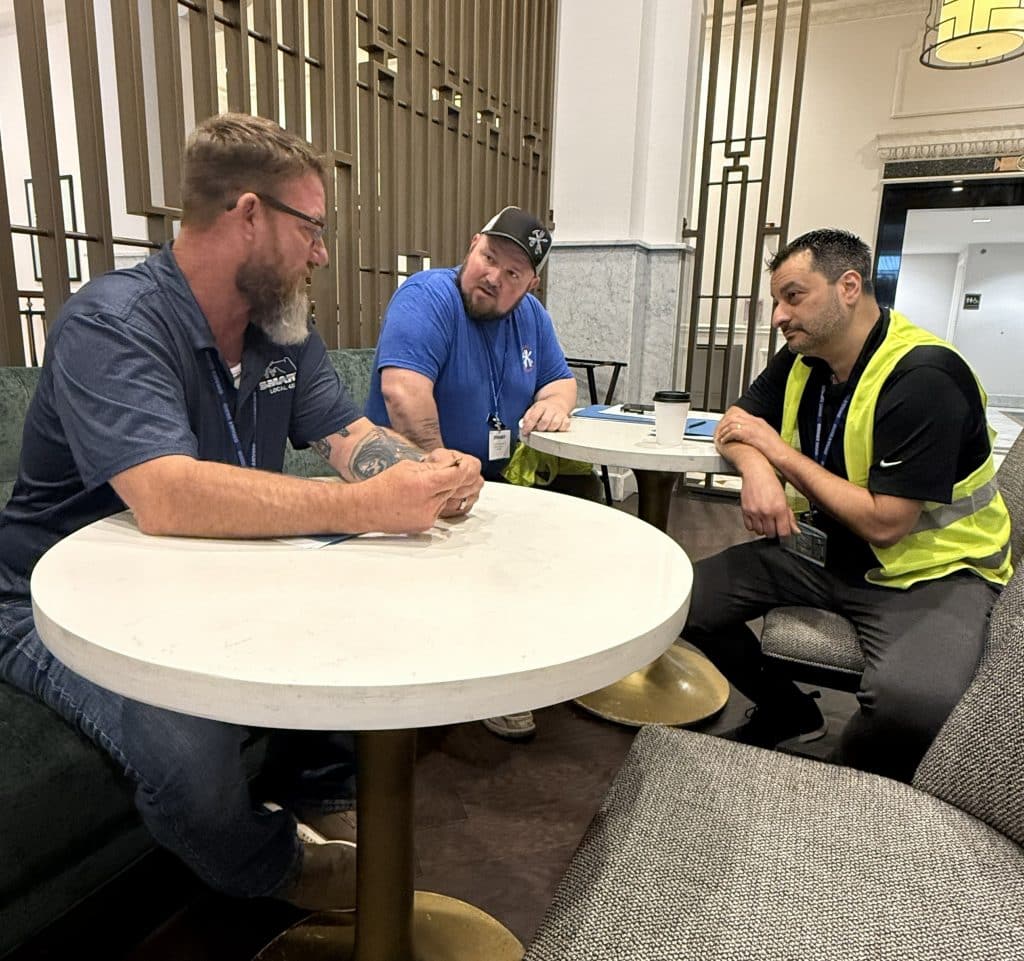
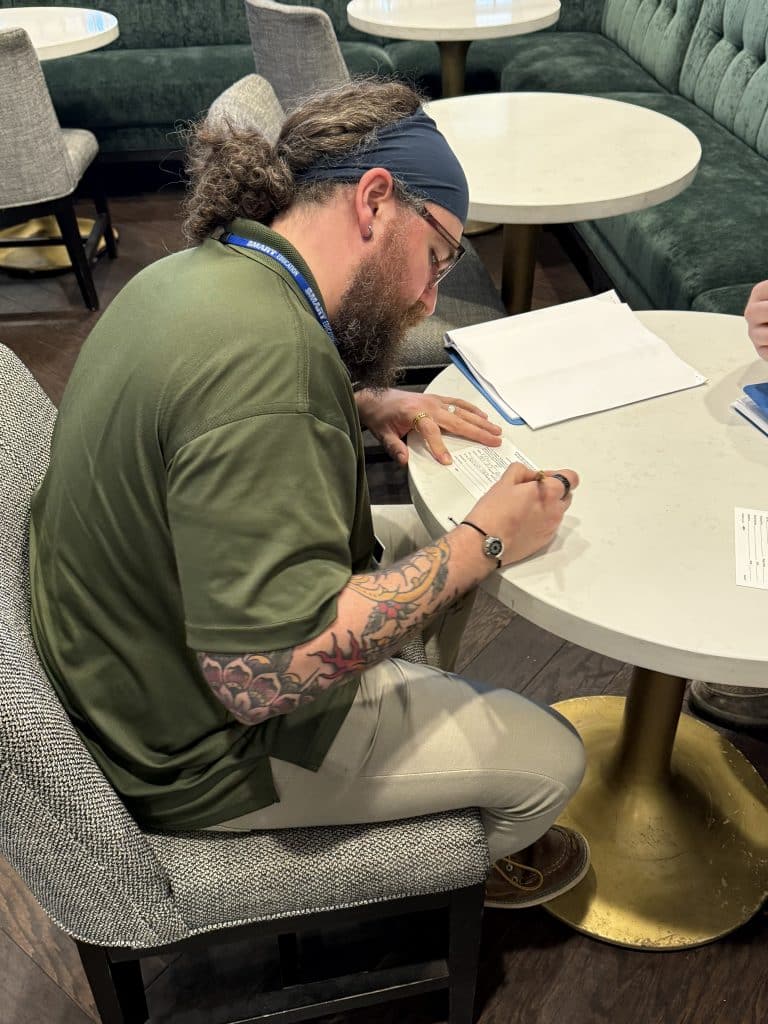
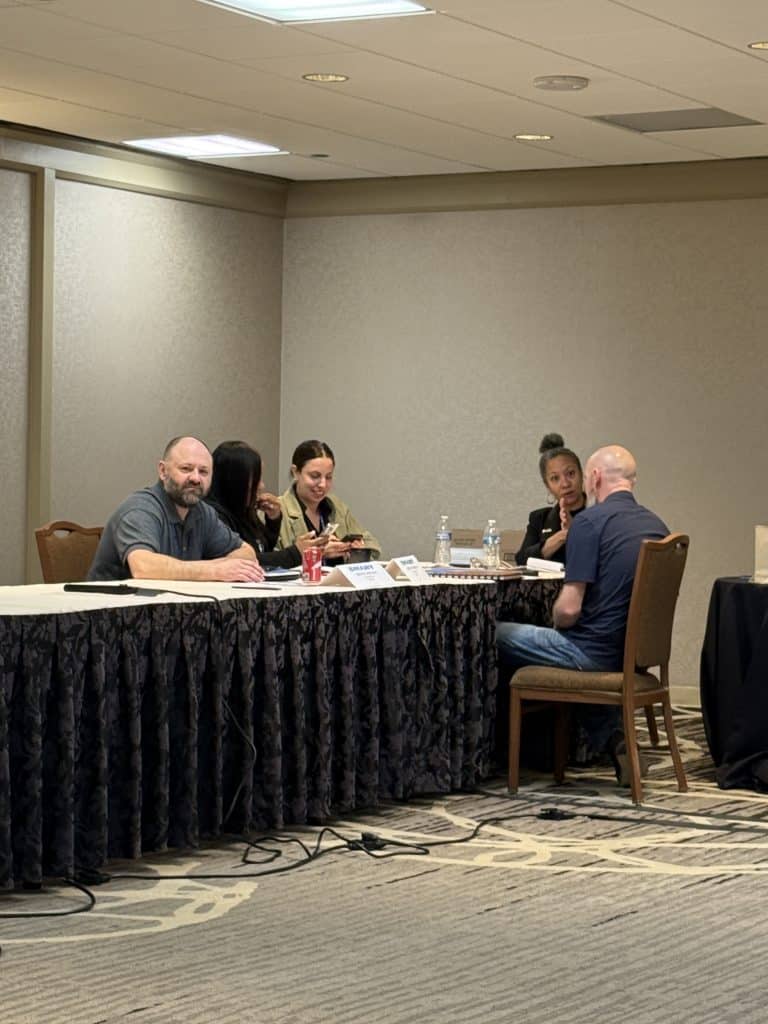
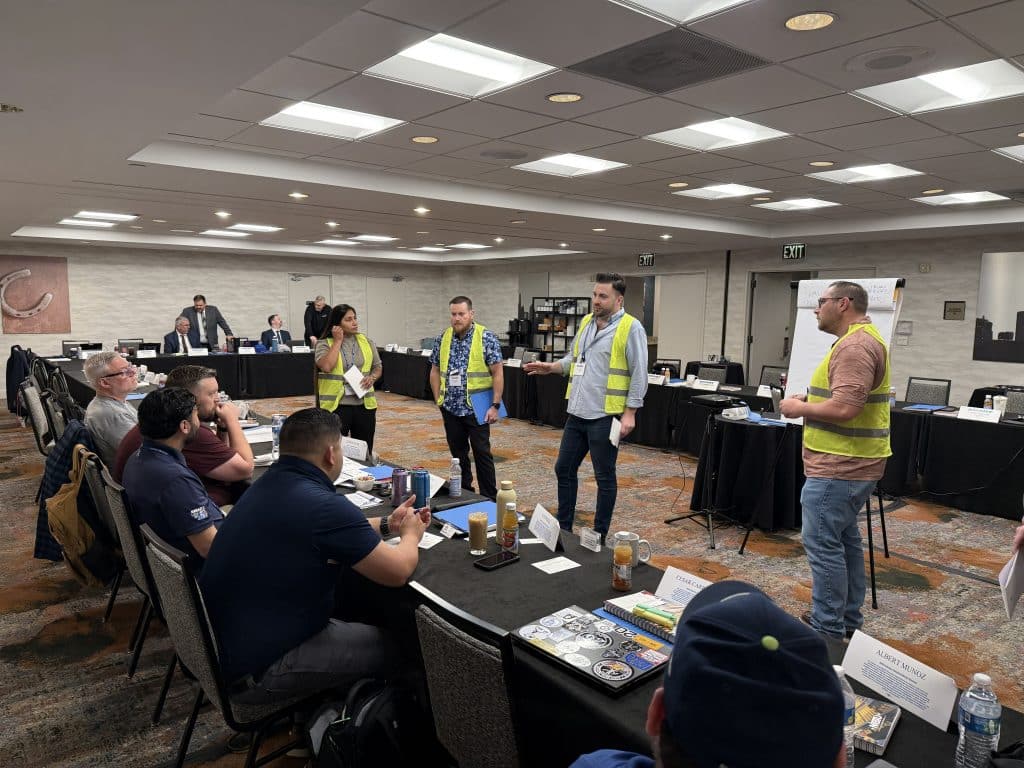
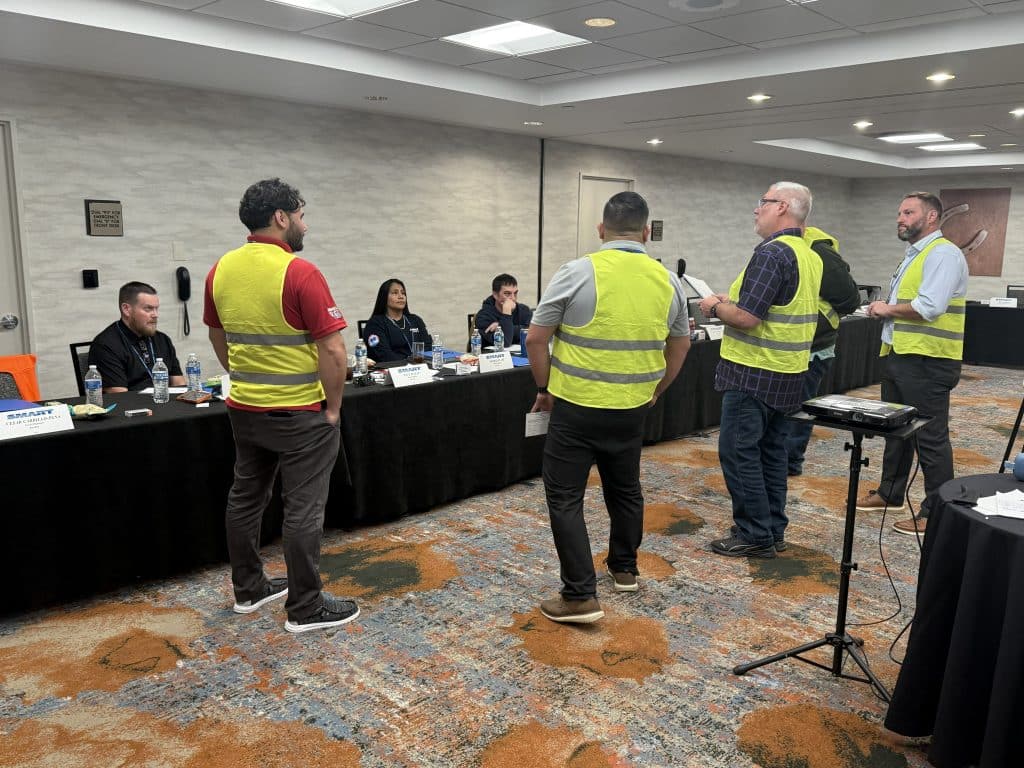
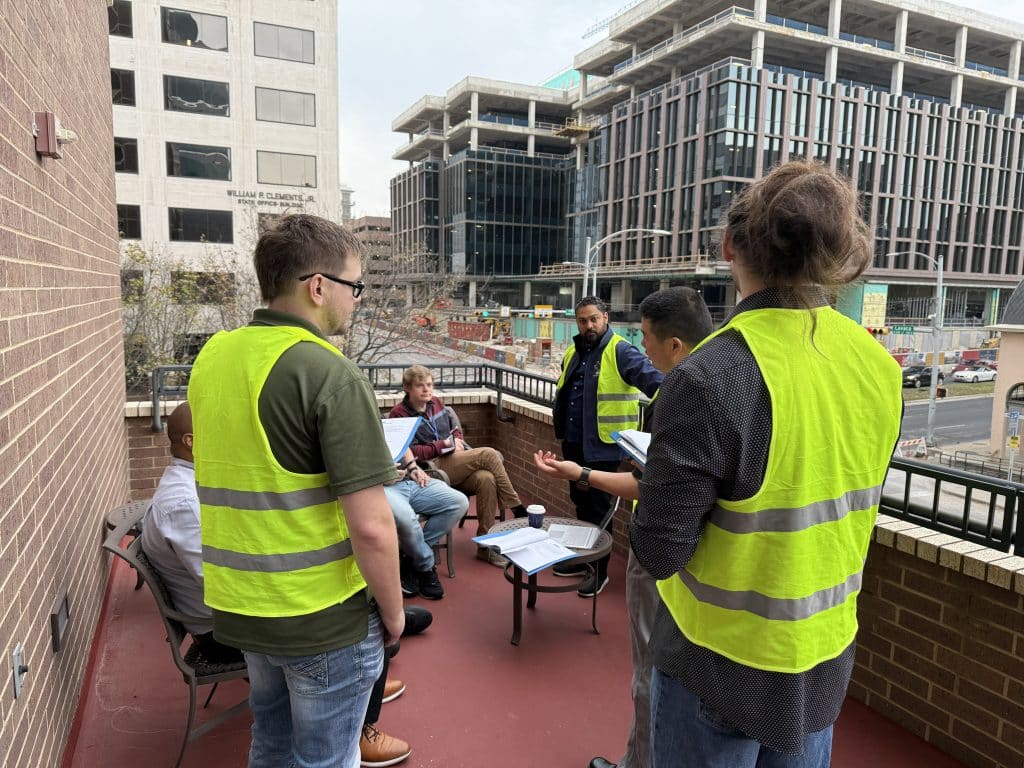
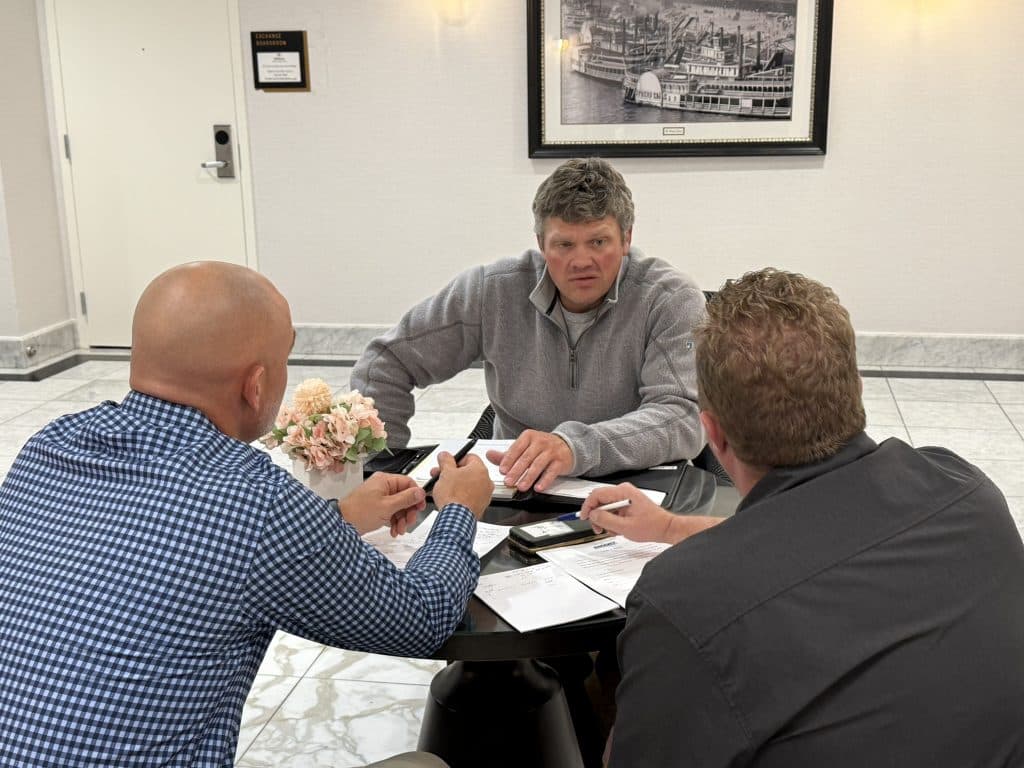
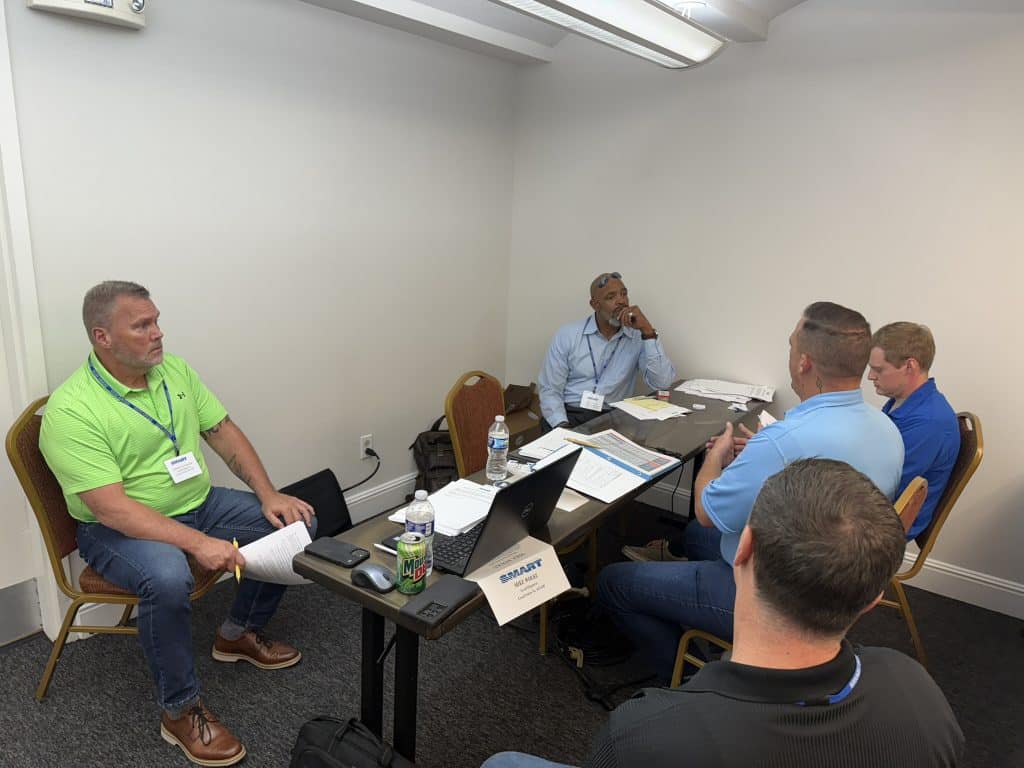
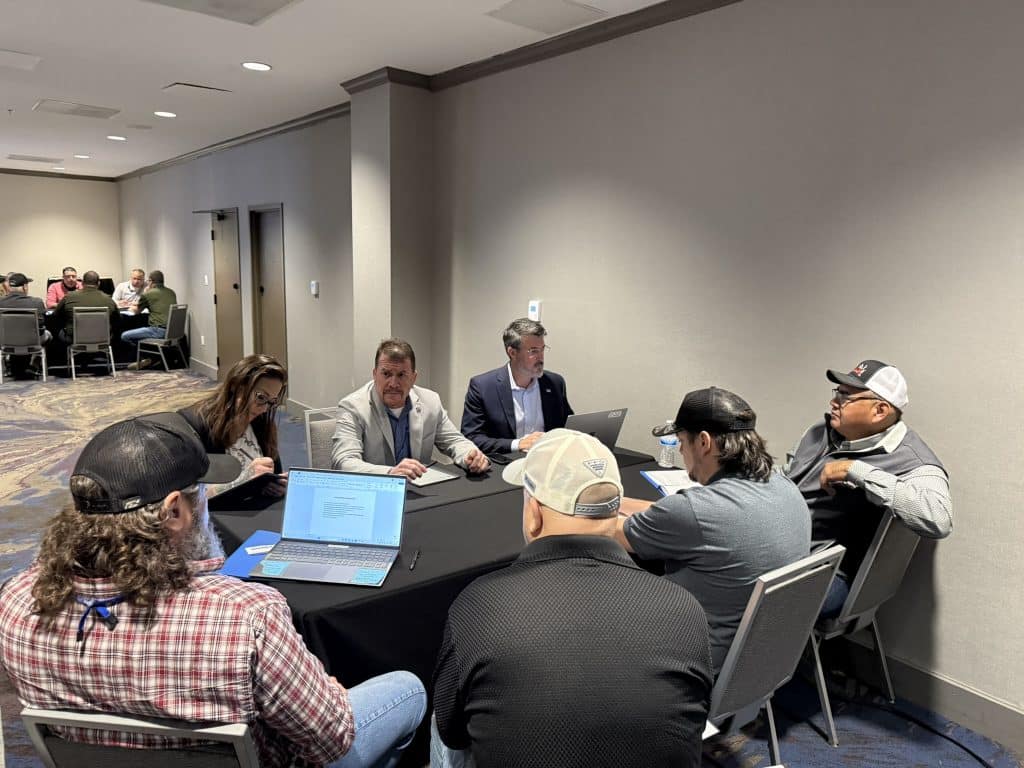
“Participants roleplayed interactions with the gatekeeper, delivered a custom-built elevator pitch, first meetings, and subsequent meetings with the contractors,” said SMART International Instructor Richard Mangelsdorf. “There was an emphasis on making sure you are always asking for the next meeting and getting it on the books before finishing the current one.”
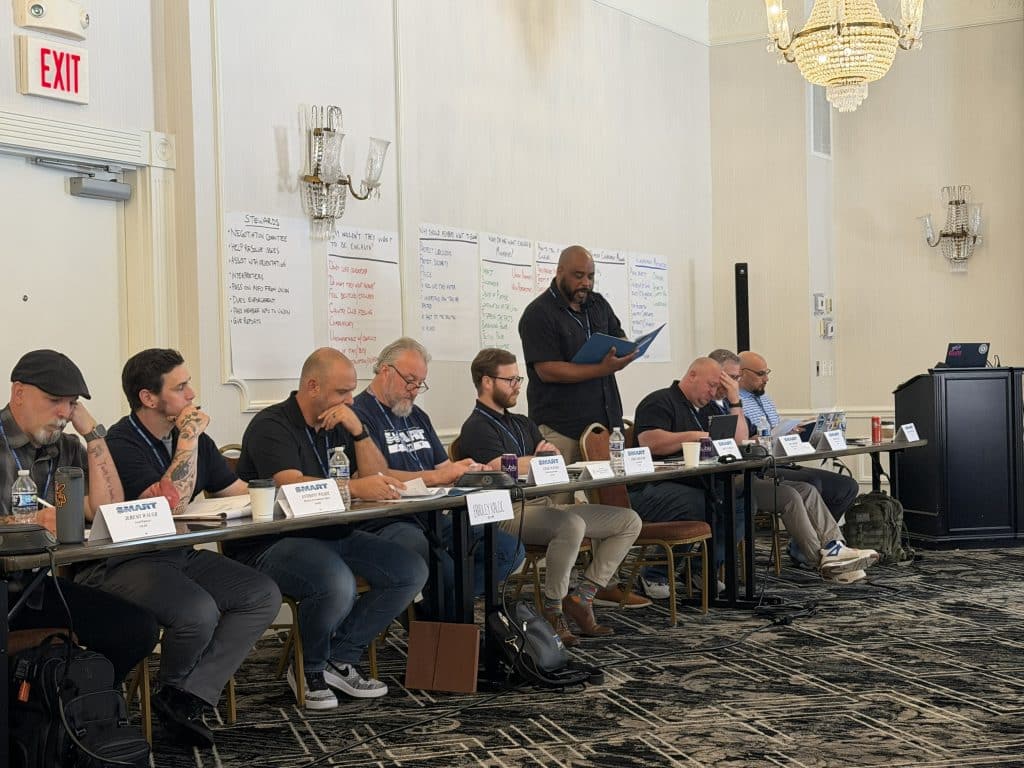
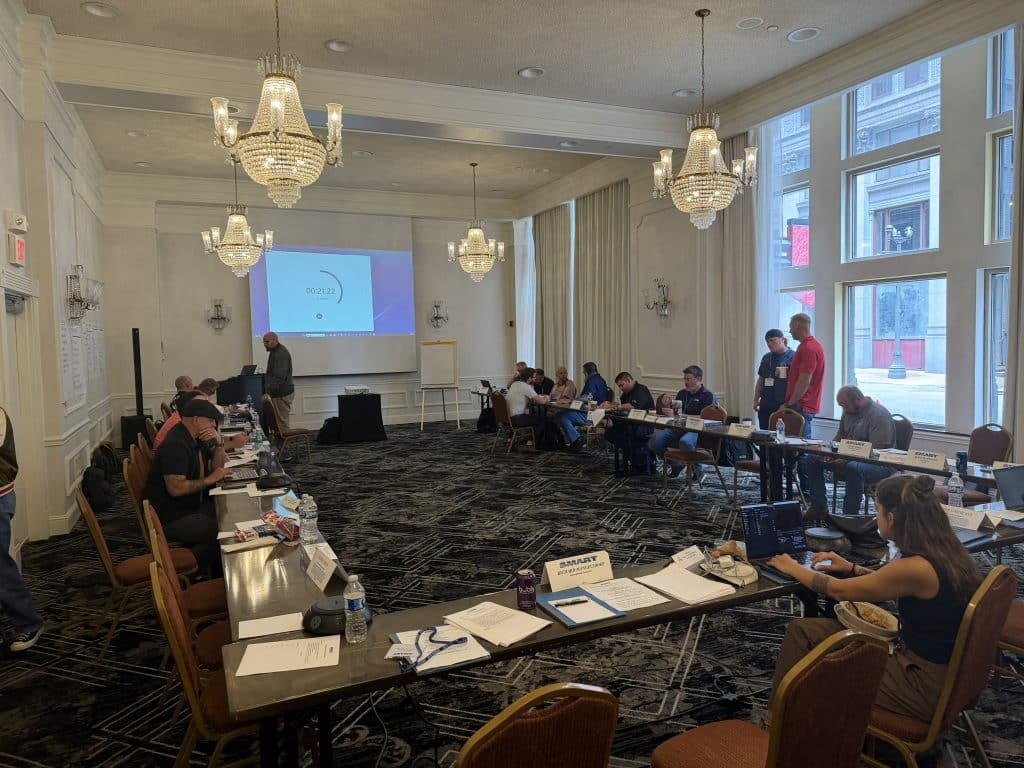
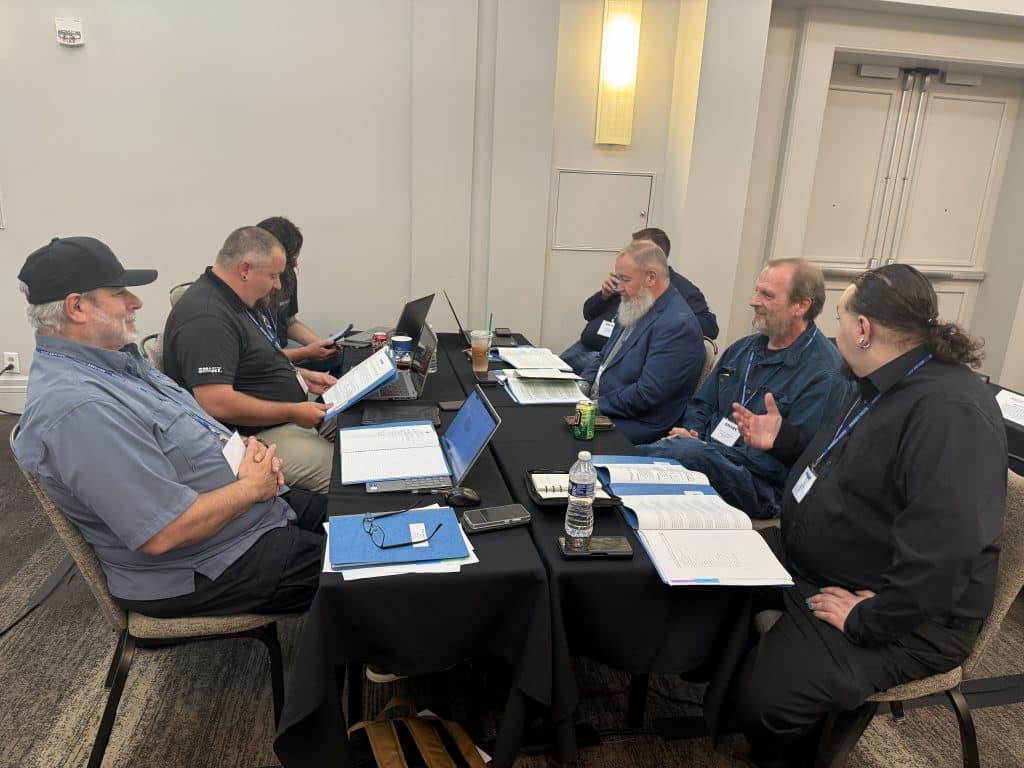
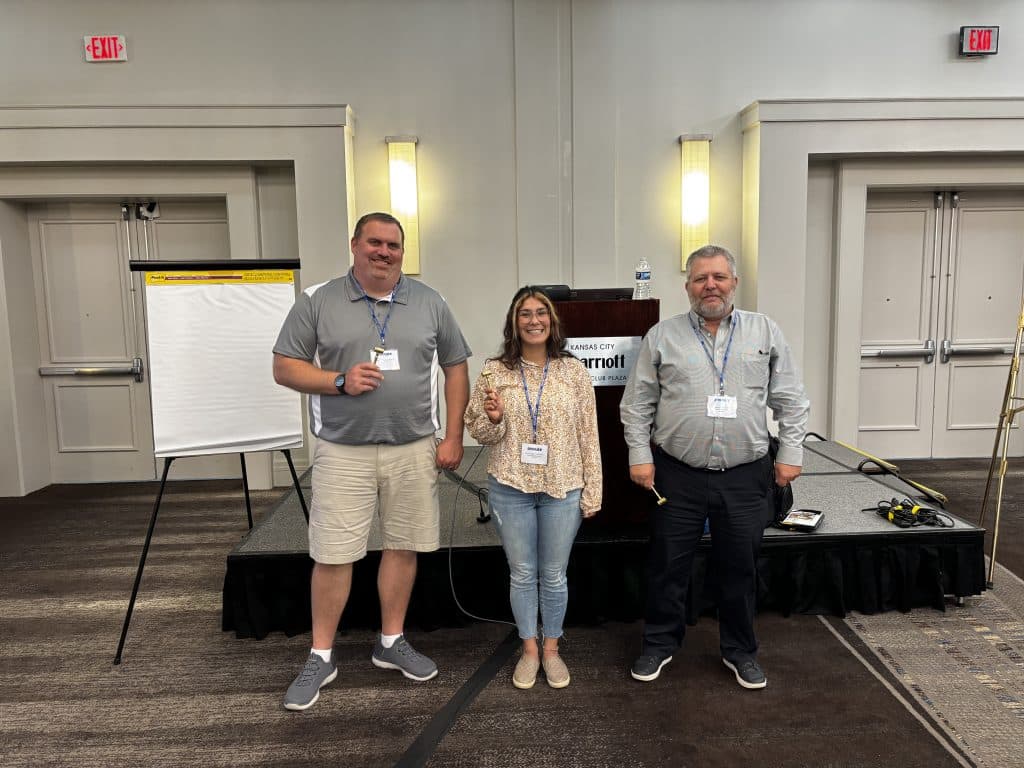
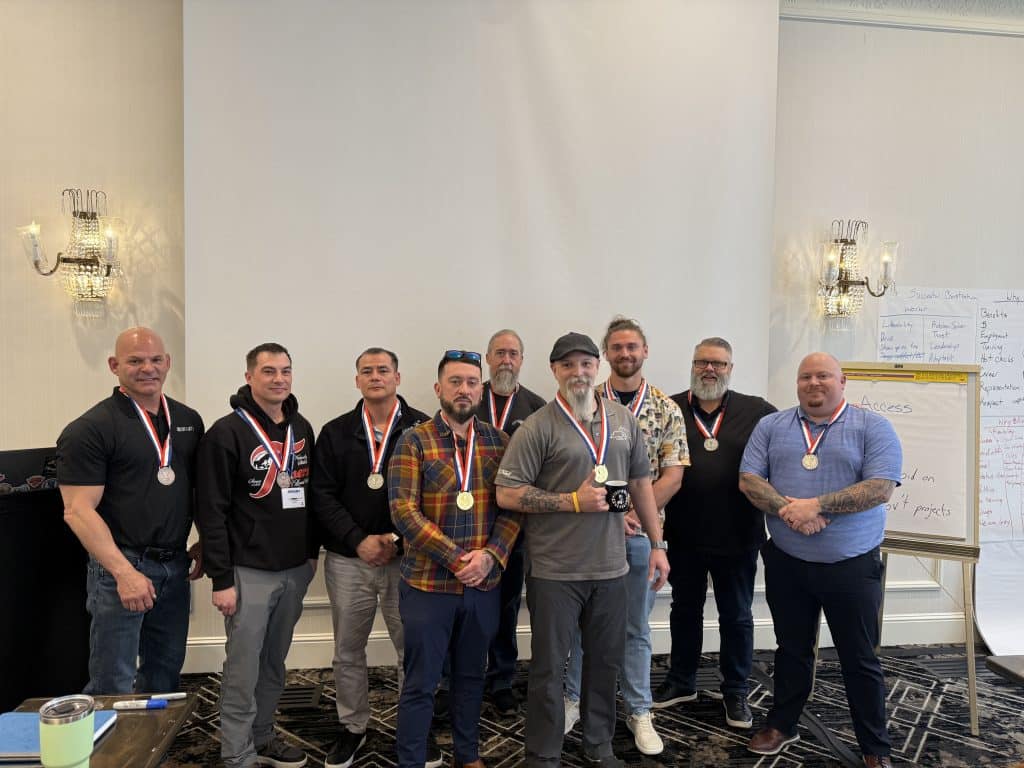
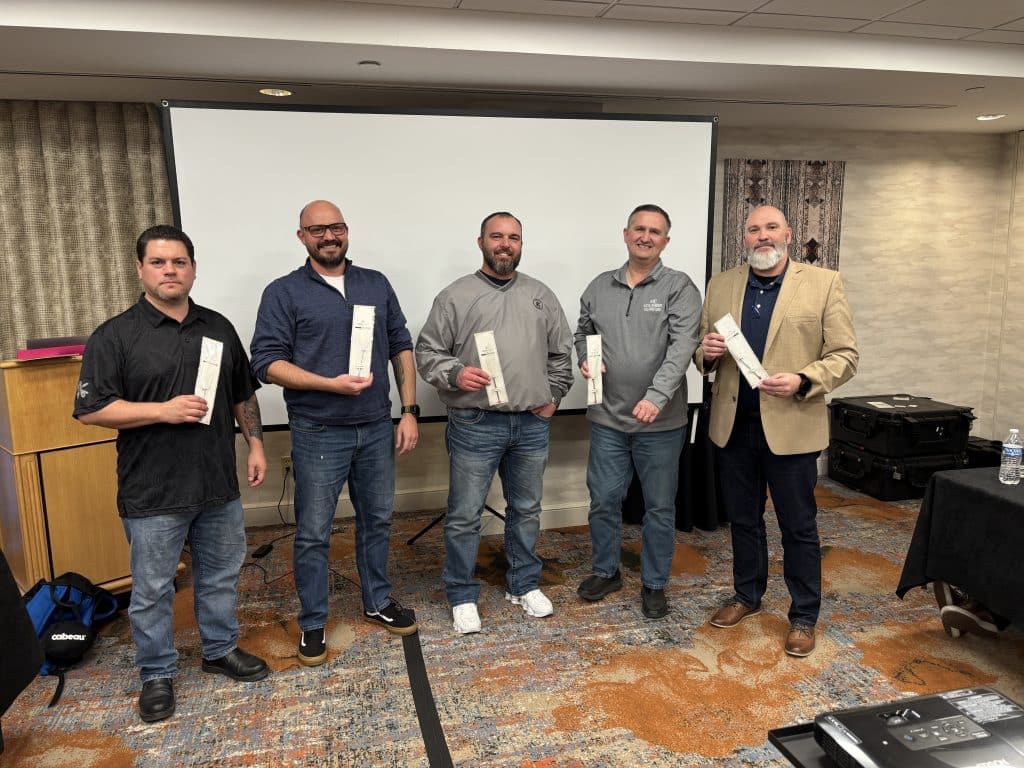
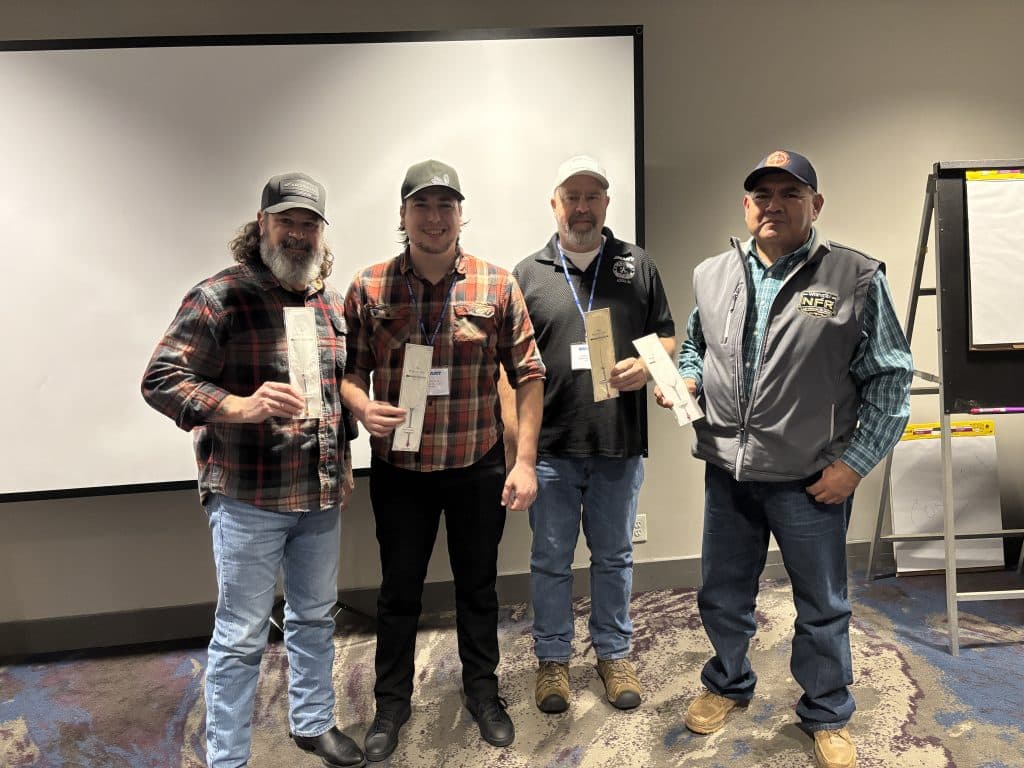
There were around 20 exercises throughout the week, many of them involving peer evaluations/ranking and group evaluations/rankings. After mock exercises, participants debriefed with critical feedback to their peers, and class participants voted to determine the class winners. “Local 9,” consisting of Brent James (Local 47), Constance Pagnello (Local 269) and Michael Beaudoin (Local 285), came in third place; “Local 4,” consisting of Jimmy Jones (Local 30), Donald Phillipo and Jake Jordan (Local 276) came in second place; “Local 2,” consisting of Shannon Kilgar (Local 30), Tim Last and David Harrison (Local 537) came in first place. The overall individual winner was Tim Last. 

“We hope participants took away valuable skills for approaching contractors using the top-down strategy, and that they all enjoyed the class,” said Mangelsdorf. “We look forward to returning to Canada in the fall!”
SMART sheet metal workers are no strangers to change. Over the years, the sheet metal industry has transformed drastically — what was once a trade of snips and hammers now features computer-aided drafting, sophisticated 3-D mapping, artificial intelligence and much more.

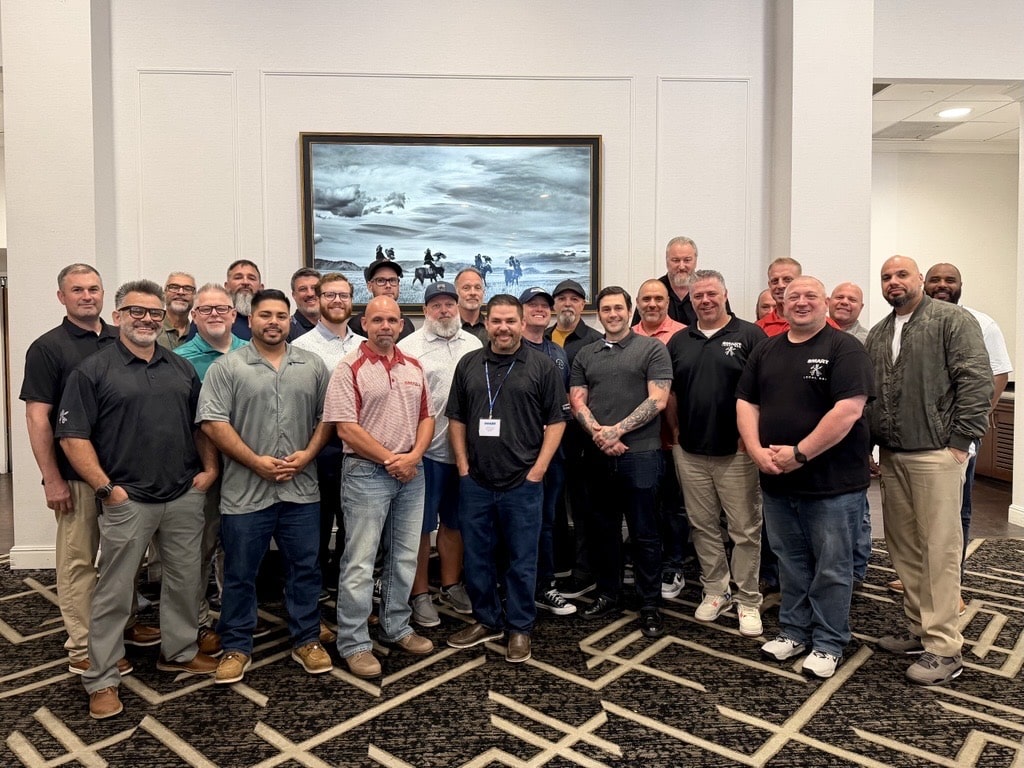
The same goes for the ways that SMART members interact with each other and the world, with social media and digital communication largely taking the place of the media channels that existed for most of our union’s history. For that reason, SMART local officers gathered in St. Louis, Missouri, from June 23-26, to build the skills and strategies needed to engage current and future members — from the jobsite, to the union hall, to social media.   

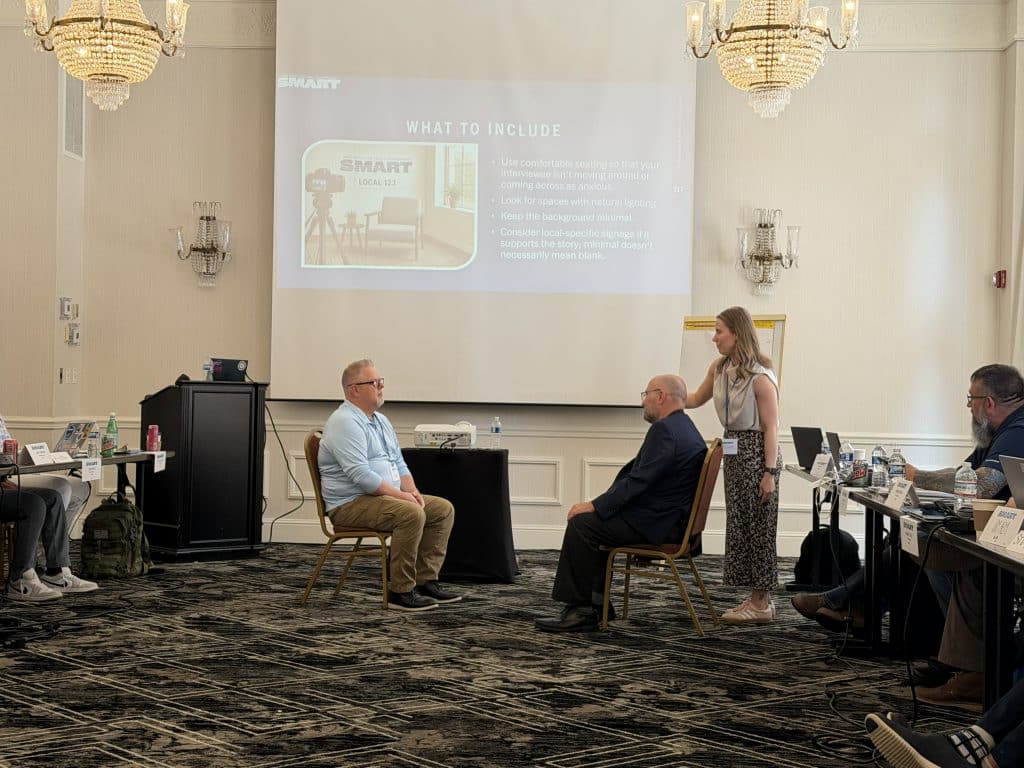
The class, titled Communication Strategies for Membership Engagement & Retention, was a collaboration between the SMART Education and Communications Departments. Course material covered a variety of topics: creating effective talking points, taking photos and videos using your phone, graphic design 101, how to measure engagement in digital communications and much more.

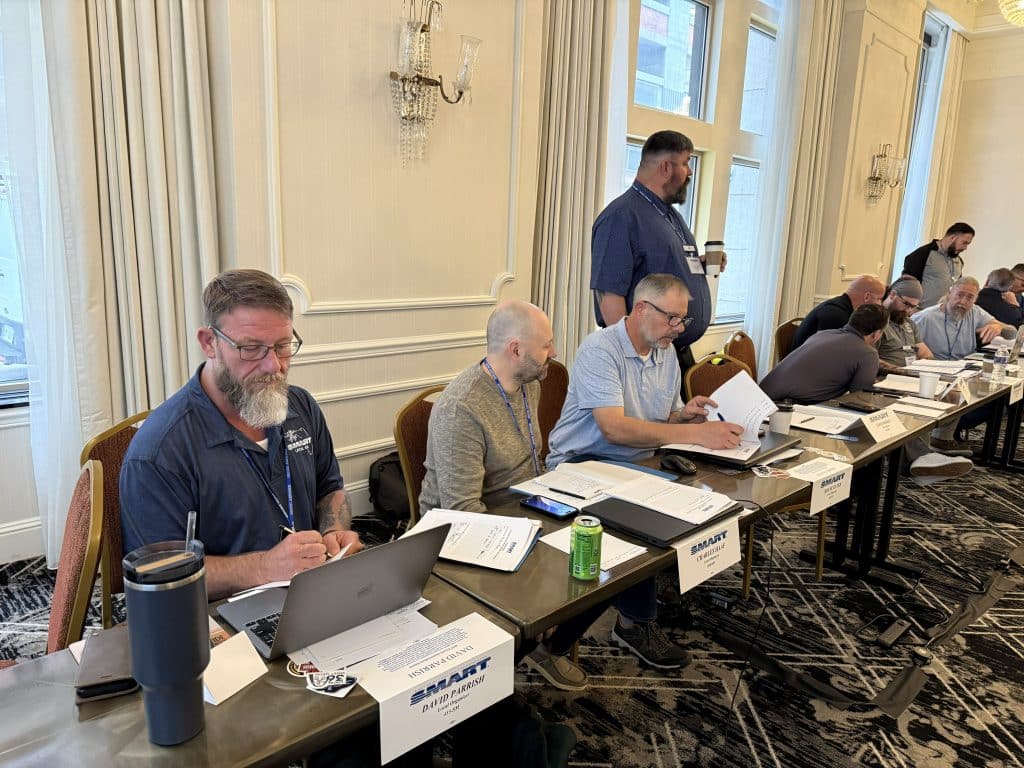
Local officers and staff learned hands-on tips and tricks from Education and Communications Department instructors about everything from creating effective social media videos to distilling complex topics into simple messages. Then, each day, they broke into groups tasked with putting those lessons into practice: filming and editing videos, creating draft social media flyers and strategizing on the most effective ways to reach target audiences.

“There are countless tools and platforms that people use, every day, to interact with each other, to share their passions, to engage with the world around them,” said SMART Director of Communications Paul Pimentel. “By helping local union officers equip themselves to engage with those tools and platforms, we can make sure we’re meeting members where they are and helping them get involved in their union.”

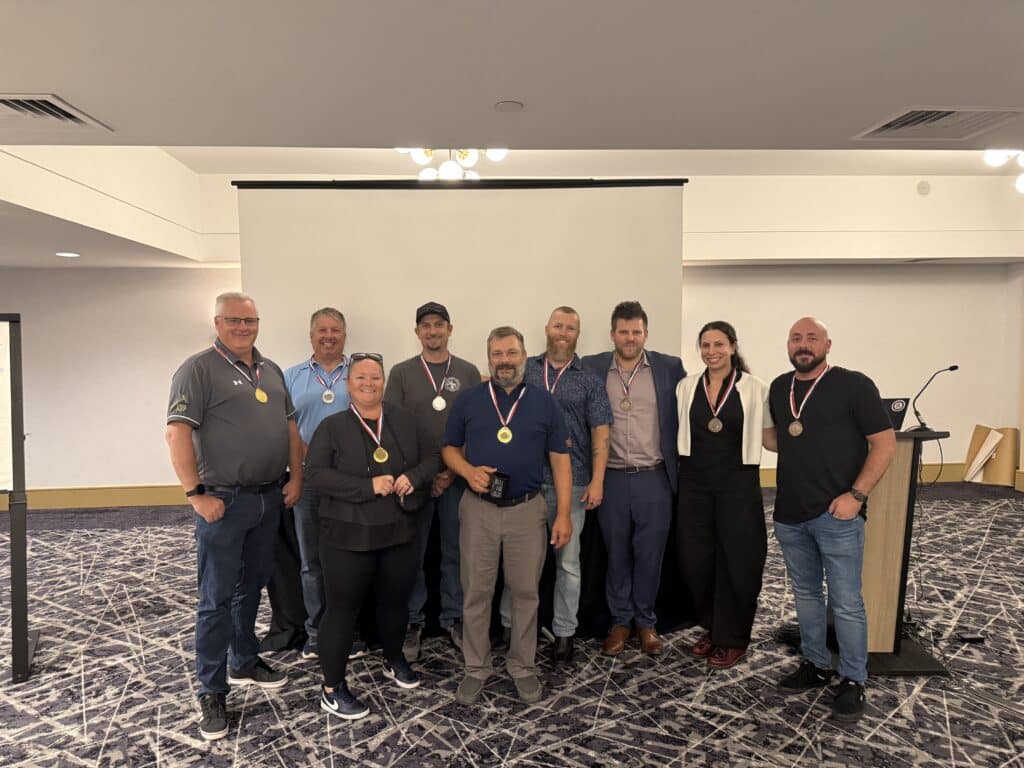
Groups were evaluated by their peers throughout the week, with points awarded for each exercise. Group 1 was awarded by fellow classmates as the top group in the class, with Jeremy Snyder (Local 36), Sam Hem (Local 66) and Jeremy Waugh (Local 110) — with an honorable mention for Stu Wilson of Local 18 — earning the highest score.

The work didn’t end with the conclusion of the class: Attendees went back to their home locals with a two-week communications plan, detailing concrete steps to implement their new communications skills and strategies.

“We design these classes so that local officers can go back to their unions, take what they’ve been practicing throughout the week, and start working to benefit their local union and their members,” said SMART International Instructor Andre Mayes. “We’re already seeing some of our attendees create new, engaging content on their local platforms, and we hope to see more as we work to engage members across North America.”

SMART production members manufacture some of the most important components of the 21st-century economy. From Ontario, Canada, to Faribault, Minnesota, to Springfield, Missouri, to Southern California, these workers manufacture everything from large-scale HVAC equipment to data center cooling towers. And across North America, SMART leaders work to represent these workers to the best of their ability.

For that reason, the SMART Education Department and the Production Workers Department held the annual Production Institute in Kansas City, Mo., during the week of June 1, 2026. The focus of the Production Institute, a progressive-format multi-year course, is to train union officials — including stewards — on how to effectively represent our production members.  

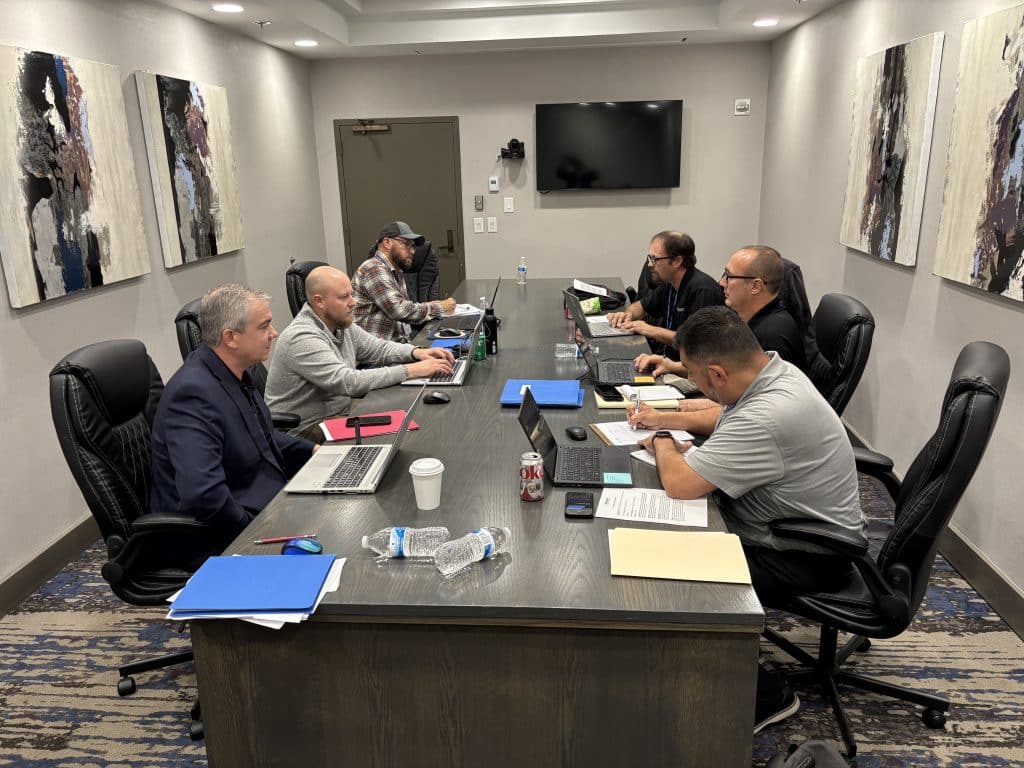
This year, there was a change to the previous format of the Institute. New 2026 participants were combined with the former first-year students from 2025 into a single, newly designed class that focused on grievance processing. The participants worked throughout the week to take several mock grievances from the initial report stage, through investigation, negotiation with the employer (role played by instructors) and ultimately to arbitration, where they participated in a mock arbitration. 

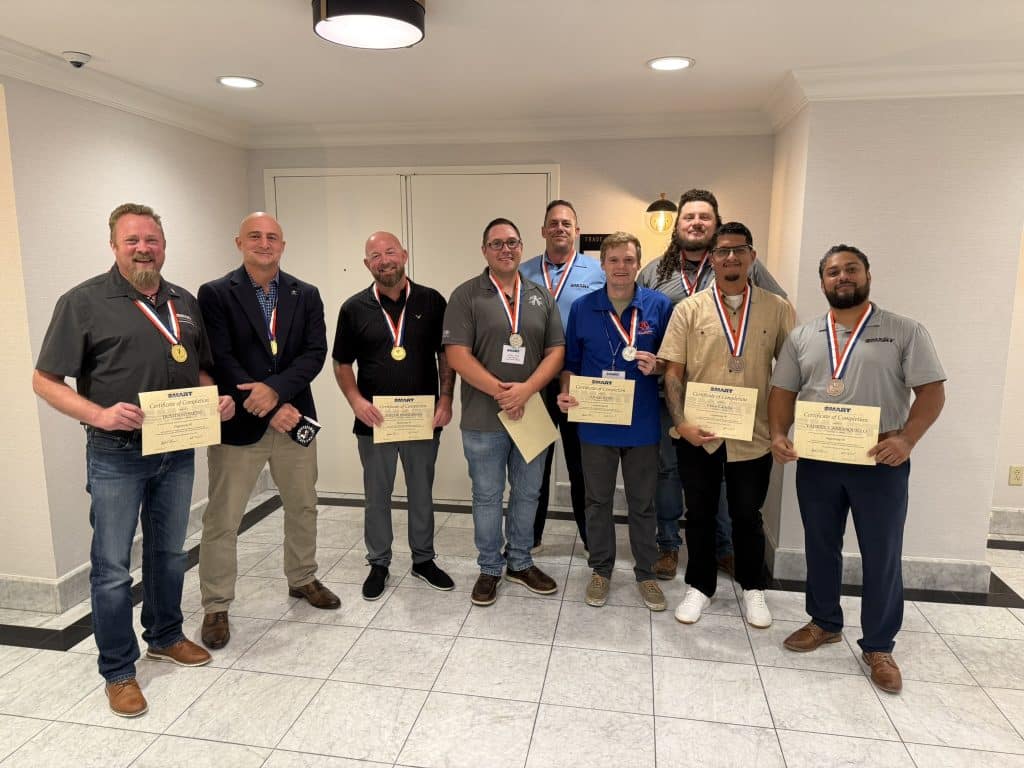
Students received points for resolving their grievance at the right point in time, and there were also peer rankings that helped determine the winners for the class. Congratulations to Brian McCord (Local 15, Central Florida), Alexis Montesdeoca (Local 555, Knoxville, Tenn.) and Ted Rothstein (Local 480, Faribault, Minn.) for being the top three point scorers in the class.  

The third-year class continued on with the format from 2025, preparing for and role-playing a mock grievance arbitration and collective bargaining sessions.

“Congratulations to the third-year class for graduating from the Production Institute!” said SMART Director of Education Eli Baccus. “Stay tuned for more changes for the Production Institute in 2027.”
Please note, the Production Institute is no longer invite only. Full-time union officials from any local and production stewards (with the approval of their local) can register for this class just like any other class offered by SMART’s Education Department. 

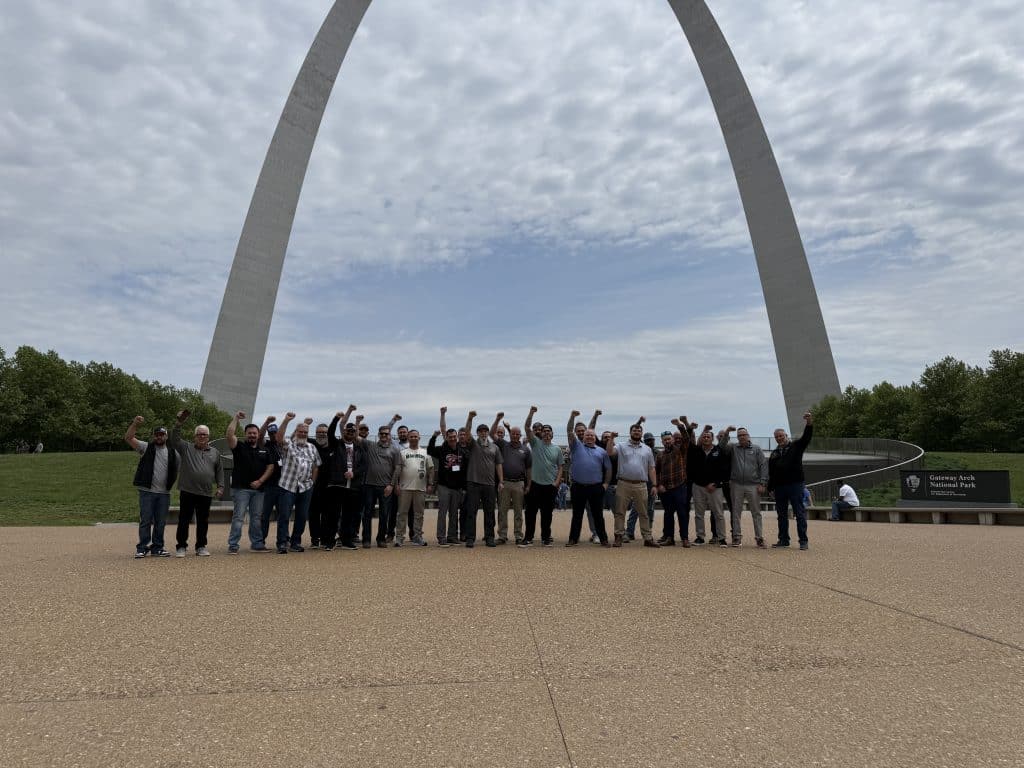
The SMART Education Department, in collaboration with the Organizing Department, held its Top-Down Organizing class the week of May 4 – 8, 2026, in St. Louis.

Nonunion contractors across North America stand ready to benefit from the union advantage — top-notch training, reliability and a skilled workforce. But whether it’s because they’re misinformed or just not aware of the union difference, these contractors have yet to partner with SMART. That’s what made the Education Department’s May class so important: Bringing together union leaders from across North America, the course focused on developing “top-down” organizing campaigns that target nonunion contractors.  

Participants learned to find nonunion contractors in their local’s jurisdiction using SICs (Standard Industrial Codes) and turned their lists into maps and routes using Google Maps. The main instruction in the class centered around what contractors need to succeed and how our locals are built to fulfill that primary need: a flexible labor force. Participants delved deep into a contractor’s mindset to understand their perspectives on the challenges of running a construction company, learning how to reframe common objections to unionization as benefits of unionization.

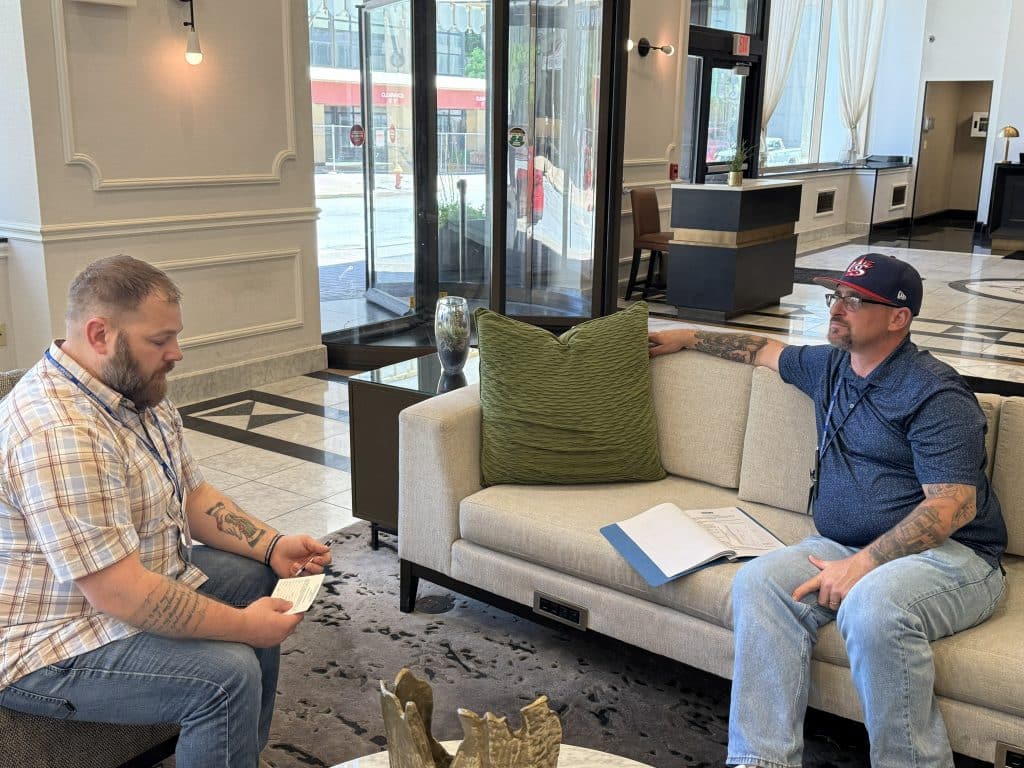
Attendees roleplayed interactions with the gatekeeper, delivering a custom-built elevator pitch, first meetings and subsequent meetings with the contractors. There were nearly 20 exercises throughout the week, many of them involving peer evaluations/ranking and group evaluations/rankings. After mock exercises, participants debriefed with critical feedback to their peers.  

“Local 6” — Greg Goble (Local 27), Alex Lorenzo (Local 66) and Jared Starling (Local 399) — was ranked in third place by their peers. “Local 5” — Paul Conners (Local 17), Juan Amaya (Local 28) and Jeff Hollinsworth (Local 104) — was ranked in second place. “Local 8” — Fernando Robles (Local 28), Bryson Riker (Local 66) and Jeremy Waugh (Local 110) — was recognized by peers as the best group in the class.

“Congratulations to Jeremy Waugh, the highest point winner in the top group, for winning the coveted ‘Coffee is for Closers’ coffee cup!” said SMART Director of Education Eli Baccus. “We hope this class spurs participants’ top-down organizing efforts, and that more contractors are brought in for more work opportunities for our members.”

Organizing is the foundation of the labor movement, and it remains the key to SMART’s health and strength to this day. Bringing unorganized workers into our union is how we grow union density, maintain the health of our funds and build our strength at the bargaining table.

For that reason, the SMART Education Department held its Bottom-Up Organizing class in St. Louis, Mo., during the week of April 13, 2026. The class focuses on developing practical competency in the process and skills required to successfully run bottom-up organizing campaigns.

Participants worked in small “local union” teams in a comprehensive role-play that mimicked a bottom-up campaign throughout the entire week. Each fictional local union worked as an organizing team and role-played the workers at the companies — Coleman Sheet Metal and Daniel Fabrication — based on character backgrounds provided for the simulation. 

Each team was ranked by their performance in a mock union election at the end of the class. The fictional Local 2 group — Scott Olson (Local 18), Juan Amaya (Local 28), John Gjokaj (Local 38), Kyle Determan (Local 263) and Joe Watters (Local 285) — was the top local in the class based on highest election win percentage. 

“Participants were very engaged in the role-play and were observed organizing each other outside of class time,” said SMART Director of Education Eli Baccus. “Everyone did a fantastic job working with their groups and playing their parts. Well done, everyone!”

Whether explaining HVAC systems to aspiring sheet metal technicians, talking to policymakers about project labor agreements or explaining the benefits of union membership to workers on a jobsite, communication is a key skill for SMART union leaders. That’s why the SMART Education Department held its most recent edition of the Effective Communications class in Houston, Texas, during the week of March 2, 2026: helping union leaders become strong communicators and, in turn, more impactful advocates for SMART members.

Education Department staff redesigned the class for 2026, combining elements of the previous Effective Communications I and II classes into a single five-day course.

“Throughout the week, participants worked to deliver four different types of speeches: introductory, informational, persuasive and reframed persuasive,” explained SMART Director of Education Eli Baccus. “They then used the skills gained in public speaking as an individual and applied them to a group settings, participating in Spontaneous Argument Debates (also known as SPAR Debates).” 

A points system was in place for the class, encouraging attendees to put what they learned into practice. Participants were able to gain points for the timing of their speeches, how much they improved over the course of their speeches, for winning a debate as a team, and for their participation in the team debates. 

“Participants engaged well and worked hard, many spending time outside class hours to improve their speeches,” Baccus added. “The participants with the highest scores for the week were Fernando Robles, Local 28 (first place) and Chaz Tedesco, Local 9 (second place). Great job everyone!” 

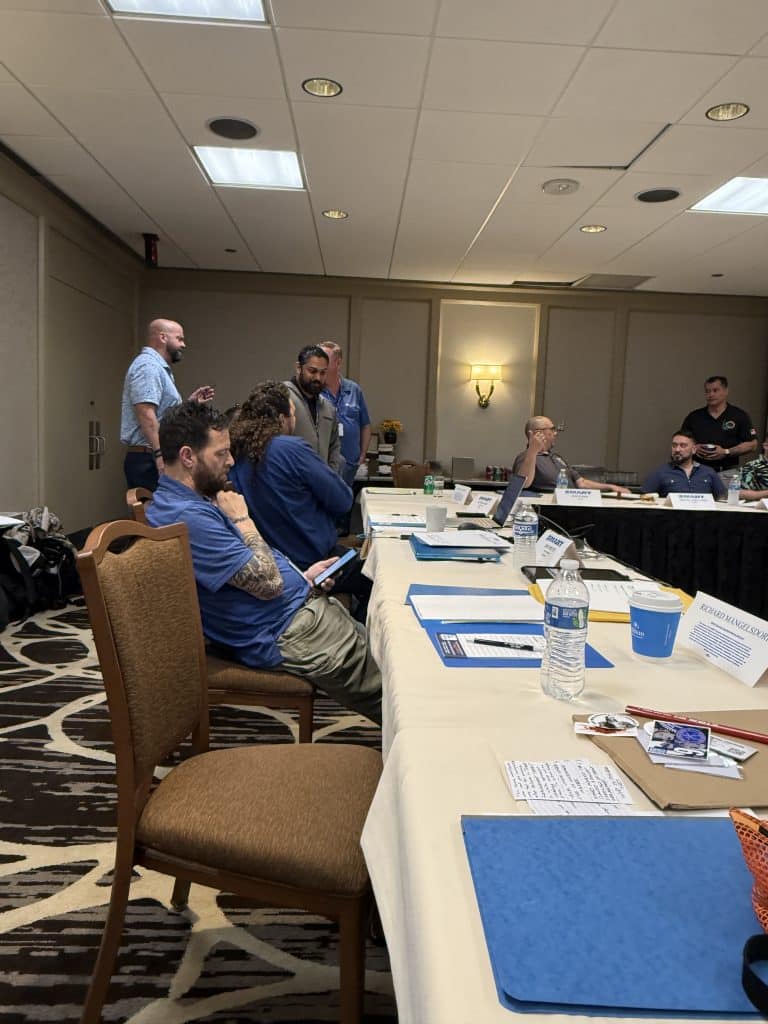
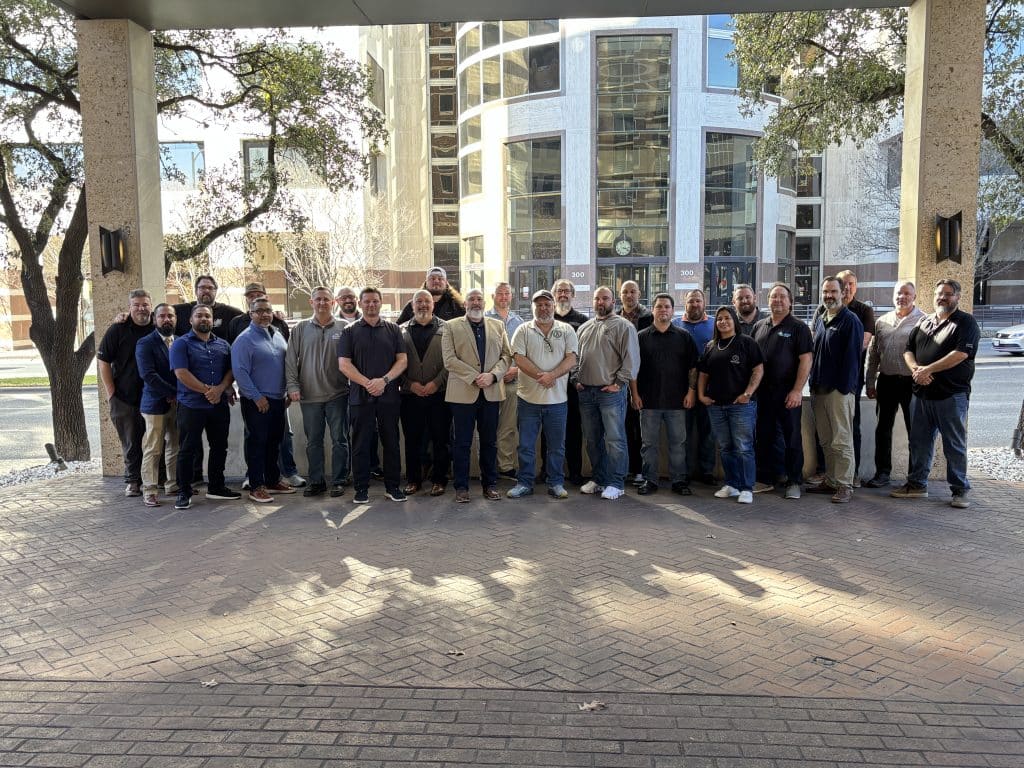
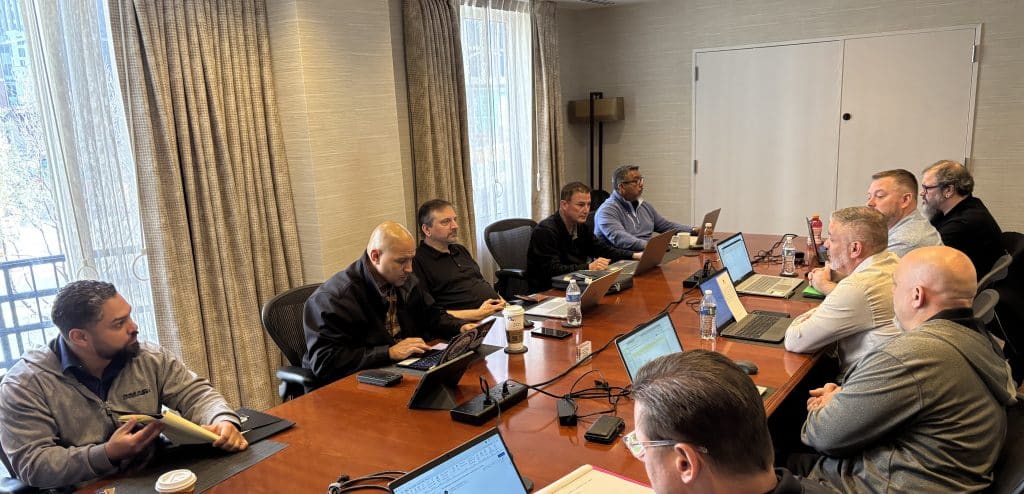
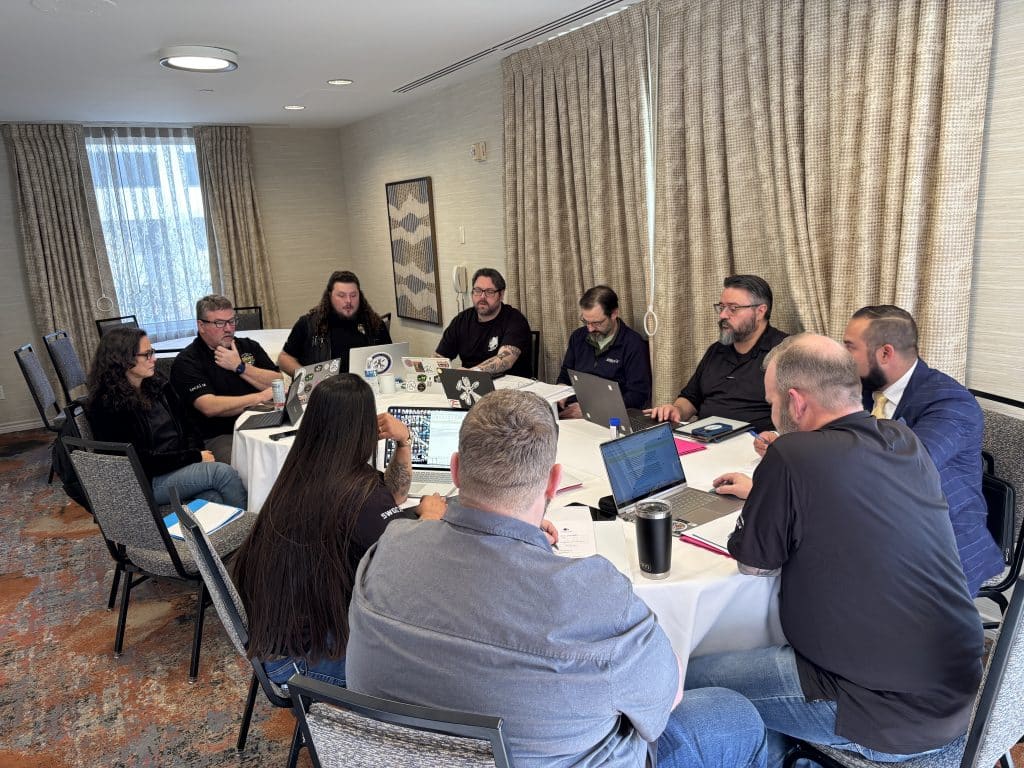
For the third time in five months, the SMART Education Department brought local leaders together to strengthen the foundation of our union: collective bargaining. From February 2-6, 2026, union representatives gathered in Austin, Texas, to further build the teamwork skills needed to negotiate the contracts that members deserve.

The class, developed by the Education Department in conjunction with the Jurisdiction, Canadian Affairs and Production Departments, divided the class into fictional “locals,” with each participant in the group taking on the role of either chair, observer, recorder or numbers person. Attendees spent the week researching employers, developing proposals using member surveys to determine priorities and main issues, and learning their Myers-Briggs (core personality) and Thomas-Kilmann (core conflict mode) types and seeing how they applied to the bargaining process.

The course ended with groups bargaining against one another to get the best contract possible. Each group spent half the bargaining time as a fictional local union, and the other half as a fictional employer association.

“In the ‘employer association” role, they took on the role of a real-life employer with a fictional storyline, personality and ‘pet proposal’ to fight for at the table,” said SMART International Instructor Andre Mayes. “The research, proposals and final contracts were all peer-reviewed in a competition format.”

“Congratulations to the winner, ‘Local 1,’ comprised of Daniel Loftis (Local 2), Dustin Truitt (Local 2), Mike Thorne (Local 4), Dean Lee (Local 206) and Domingo Luyo (Local 206),” Mayes added.

The next iteration of the Collective Bargaining class will take place in 2027.

According to recent studies, the vast majority of Americans — over two-thirds — view unions favorably. Working people know that unions like SMART can change lives with higher pay, protections at work, stronger health care, a pension and a good life for members and their families.

The same studies show that more than 50 million workers in the United States said they would vote to unionize their workplace in 2025 if they got the chance. But due to a variety of factors, from hostile employers to broken labor law, they were unable to get that opportunity.

That’s why it’s more important than ever that SMART organizes to help those workers join our union. And it’s why the SMART Education Department held its Bottom-Up Organizing Class in Austin, Texas, during the week of January 5th, 2026. Using comprehensive role-play that mimicked a worker-led organizing campaign over the duration of the week, the class focused on developing practical competency in the process and skills required to successfully facilitate victorious unionization drives.

Participants worked in small “local” teams; each local worked as both an organizing team and role-played as workers at two fictional companies — Coleman Sheet Metal and Daniel Sheet Metal & Fabrication — based on character backgrounds provided for the simulation. From initial contact to a mock union election at the end of the week, attendees dedicated their days in Austin to developing the skills that will help SMART continue to grow.

“Participants were really engaged in the simulation and were observed organizing each other outside of class time,” said International Instructor Richard Mangelsdorf. “Everyone did a fantastic job working with their groups and playing their parts. The fictional Local 5 — Chris Weist (Local 12), Paul Conners (Local 17), Ryan Miller (Local 66), Brian Legge (Local 100) and Kenny “Math” Montejano (Local 105) — was the top “local” in the class, based on highest election win percentage. Well done everyone!”

The SMART Education Department, in collaboration with the Organizing Department, held its Organizing III class during the week of October 6–10, 2025, in St. Louis. This redesigned class focused on the “top-down” organizing strategy, with a specific emphasis on developing organizing campaigns targeting nonunion contractors.

Expanding SMART’s signatory contractor base is one of the best methods local unions have to keep members employed. For that reason, it’s more important than ever for organizers to strengthen their ability to identify, build relationships with and ultimately sign new employers.  

The primary subject of the October class centered around what contractors need to succeed and how our locals are built to fulfil that primary need: a flexible labor force. Participants delved deep into a contractor’s mindset to understand the challenges of running a construction company, learning how to reframe common employer objections to unionization as benefits for both workers and contractors. Attendees also roleplayed interactions with the gatekeeper, delivered a custom-built elevator pitch and practiced both first meetings and subsequent meetings with the contractors.

Throughout the week, participants learned to find nonunion contractors in their local’s jurisdiction using Standard Industrial Codes (SICs) and turned their lists into maps and routes using Google Maps. There were nearly 20 exercises during the course; after mock exercises, participants debriefed with critical feedback to their peers.

A point system was in place, with organizers grouped into fiction local unions and evaluated by their fellow participants. “Local 111” — Phil Berg (Local 23), Cesar Carrillo (Local 26) and Yadriel Carrasquillo (Local 68) — took third place. “Local 444” — Adam Kerr (Local 71), Doug Meyers (Local 103) and Aaron Leslie (Local 104) — was ranked second place. “Local 333” — Dustin Hysmith (Local 16), Hallie Jennerman (International organizer/Local 18) and Jay Jones (Local 265) — was recognized by peers as the top group in the class.

“Congratulations to Jay Jones, the highest point winner in the top group, for winning the coveted ‘Coffee is for Closers’ coffee cup!” said SMART Director of Education Eli Baccus. “We hope this class spurs participants’ top-down organizing efforts, and that more contractors are brought in for more member jobs.”

The cohesion and collaboration of a local union’s negotiating committee is crucial for bargaining strong contracts that provide the pay, benefits and living standards that SMART members demand.

That was the focus of the Education Department’s newly revised Collective Bargaining class, taught for the second time in 2025 from December 8–12 in Atlanta, Georgia.

“The content of the class was developed in collaboration with the Jurisdiction, Production Workers and Canadian Affairs Departments,” explained SMART International Instructor Andre Mayes. “Content focused on helping a local’s negotiations committee work together better through understanding how to divide up the workload based on individual personality styles and then utilizing their individual strengths collectively to achieve a better outcome.”

Topics included bargaining power, good-faith bargaining, contract costing, proposal development, tactics to avoid impasse, utilizing the National Joint Adjustment Board and more. International Organizer Frank Greer facilitated the Myers-Briggs Type Indicator and the Thomas-Kilmann Instrument Assessment to help the participants and groups better understand their own strengths and weaknesses on the negotiation committees. 

“Congratulations to ‘Local 3’ — Joe Valdez (Local 55), Sean VanPelt (Local 55), Brian Walter (Local 55) and Owin Baxter (Local 280) — for being recognized by their peers as the top team in the class,” Mayes said.