By Ivan Meyen, SMART International representative

Organizing is not just about recruiting new sheet metal workers into our union; retaining members is a critical part of the equation. SMART local unions need to grow in order to bolster collective bargaining and ensure health and pension funds remain strong. That can only happen when members both join and stay in SMART.

To retain new members, it is vital that they understand what their union is and the support that defines SMART membership. For that reason, SMART Local 16 held its inaugural new organized member orientation on March 7, 2026. This marked the first of what will be many new organized member orientations, led by Regional Manager Brian Noble, Regional Rep. Darrin Boyce, Organizer Korri Stubenrauch and Scott Stricklyn with the local’s Special Projects Department.
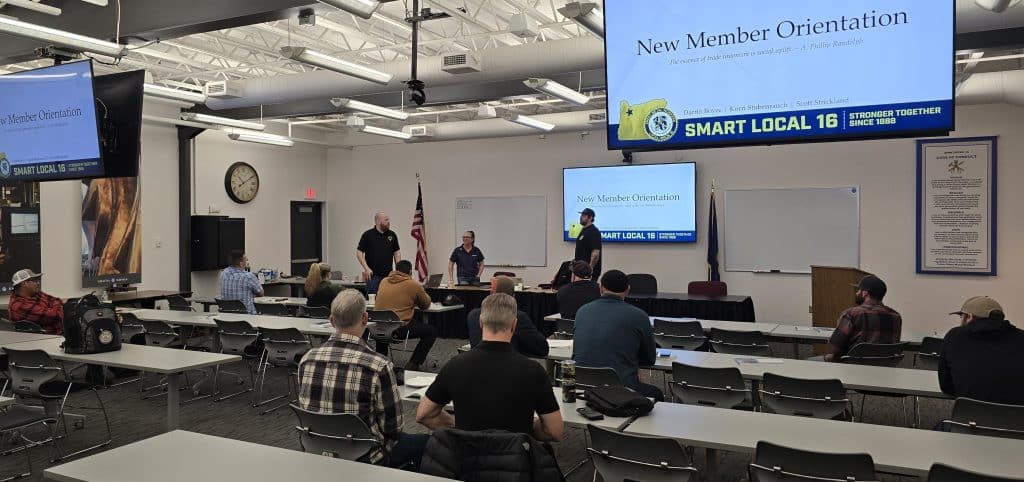
Traditionally, SMART Local 16 has educated recruits about the benefits of union membership during the new member sign-up process. Officers and staff use this time to give incoming members a thorough overview of their new union; however, it can often feel like information overload for our latest SMART brothers and sisters. While third-year Local 16 apprentices attend a weeklong Youth-to-Youth class — aiming to build a local culture centered around organizing — no such option exists for members who are organized into the local. To solve that problem, the organizing team at SMART Local 16 created the new orientation, a Saturday class specifically for members who joined the local through organizing.

Inaugural orientation class charts course for the future

One challenge with offering the class was determining whether enough relationships had been built to motivate members to attend a Saturday session. Ultimately, SMART Local 16 set a date and decided to move forward to see if there would be attendance. Letters were sent out to members, and the class was scheduled.

The orientation began with a “What Is the Union?” session, covering union history, structure and how SMART works. Members discussed how to use the union as a resource, heard testimonials from organized members and learned how to get the most out of being in SMART. Additional topics included what to watch for on the job and how to get help when needed. Time was also spent ensuring everyone could log into the online local and International member portals and allowing members to share their experiences as SMART members so far.
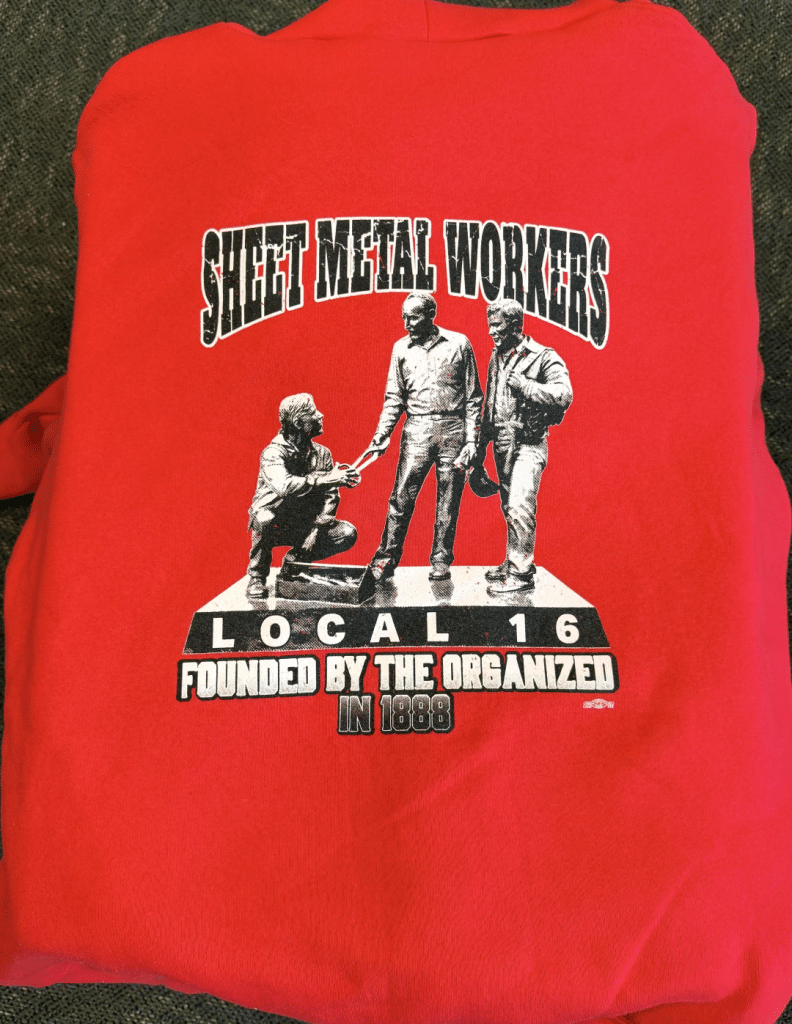
Eight members and one spouse attended the class. Their time at Local 16 ranged from three months to five years, but participants shared one thing in common: They all said they were glad they attended and found the class informative. Participants also received a hoodie that is only available to those who attend the class.

Moving forward, the goal is to spread the word about the value of this class so new members make time to participate when they receive the invitation. For now, SMART Local 16 plans to hold the class twice a year.

Organizing is an ongoing process. New members joining our union is only the beginning; ensuring they become active, engaged members — who take advantage of every part of their membership — is the key next step. When that happens, and when new members stay in SMART, every member benefits.

Great work, Local 16!
By Justin Wingard, Local 399

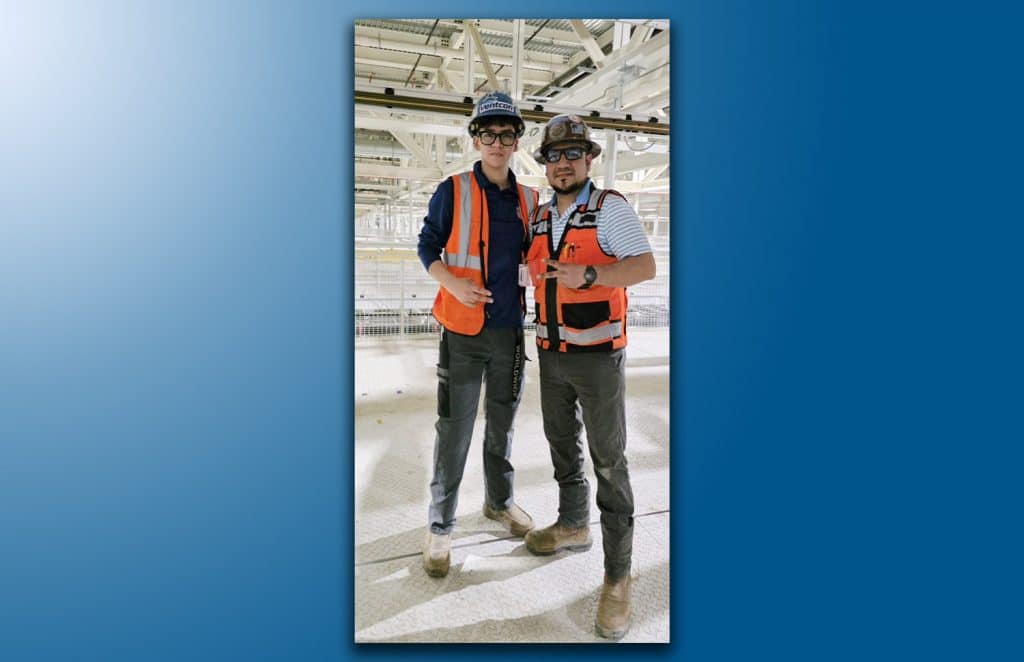
SMART membership changes lives — not just for members, but for entire families. Local 399 (South Carolina) member Fabian Campos is a powerful example.

Fabian Campos, right, with his son, a Local 399 apprentice

On May 30, 2025, Brother Campos walked into the SMART Local 399 office to complete an application and interview. At the time, he was nearing the end of a nonunion apprenticeship program in Columbia, South Carolina. Despite having several years of verified experience — including time as a jobsite superintendent in New York — Campos had been placed into an apprenticeship program that did not reflect his skill level.

Like many hardworking Americans nationwide, he accepted this situation out of necessity, determined to support his family even as he earned wages that fell short of meeting their needs.

The unfairness of the situation brought him to the local, where during his interview, it quickly became clear that Campos’s experience and capabilities aligned with the qualifications of a journeyperson. We discussed the opportunities available through SMART Local 399 not only for Fabian but also for his son — including fair wages, comprehensive benefits and a clear pathway for advancement.

The realization of the union difference made an immediate and profound impact. Overcome with emotion, Fabian expressed deep gratitude, recognizing that this opportunity represented a turning point for his family.

Since joining Local 399, Brother Campos has excelled. He is now serving as a foreman on one of our largest projects, demonstrating leadership, skill and professionalism on the jobsite. His son has also joined the apprenticeship program and is actively building his own future within the trade.

Fabian has fully embraced union membership, going above and beyond to give back. He volunteers his time to help organize, teach, translate and mentor others. He has enrolled in every available training class and consistently attends union meetings, embodying SMART’s values of commitment and brother/sisterhood.

Brother Campos’s story is a testament to the life-changing impact of opportunity, fairness and solidarity; in other words, the impact of union membership. Through SMART Local 399, one family’s future has been transformed, and a new leader has emerged to help uplift others.

SMART membership changes lives for:

  • Members
  • Families
  • Communities

Through the power of collectively bargained pay, benefits and apprenticeship programs that provide pathways into middle-class careers.

SMART members and union construction workers across Canada have their sights set on a bright future: Thanks to partnership with the federal government, huge investments are being made in Canadian infrastructure and the building trades. From nuclear energy to ongoing work on hospitals, data centers and beyond, enormous workforce demands are coming down the pipe.

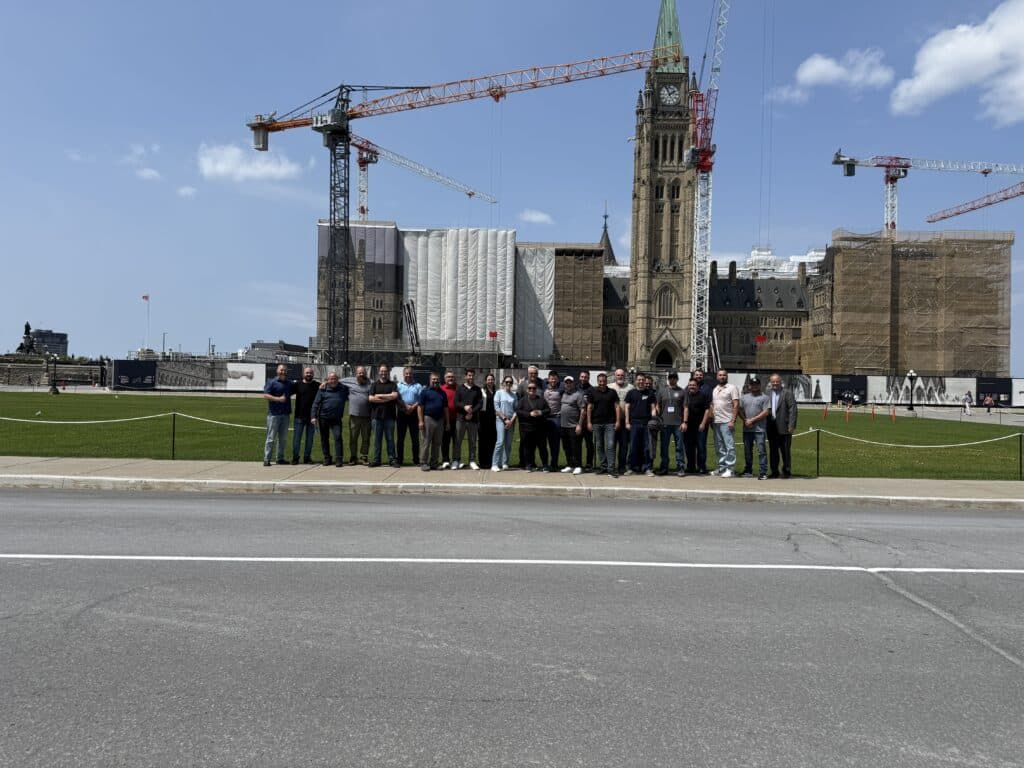
That’s why it’s more important than ever for SMART local unions to continue growing their signatory contractor base, providing more work opportunities for members in every province. And that’s why the Education Department held its Top-Down Organizing class the week of July 20-24, 2026, in Ottawa, Ontario — the first class that SMART has held in Canada. (The department plans to return again in October and twice annually moving forward.)

The July class focused on the “top-down” organizing strategy — where the local union approaches a contractor directly — with a specific focus on developing organizing campaigns targeting non-union contractors. The main focus of the class was on how to understand the needs of non-union contractors and how to communicate with them to translate our principles into information they find valuable. 

“Participants roleplayed interactions with the gatekeeper, delivered a custom-built elevator pitch, first meetings, and subsequent meetings with the contractors,” said SMART International Instructor Richard Mangelsdorf. “There was an emphasis on making sure you are always asking for the next meeting and getting it on the books before finishing the current one.”

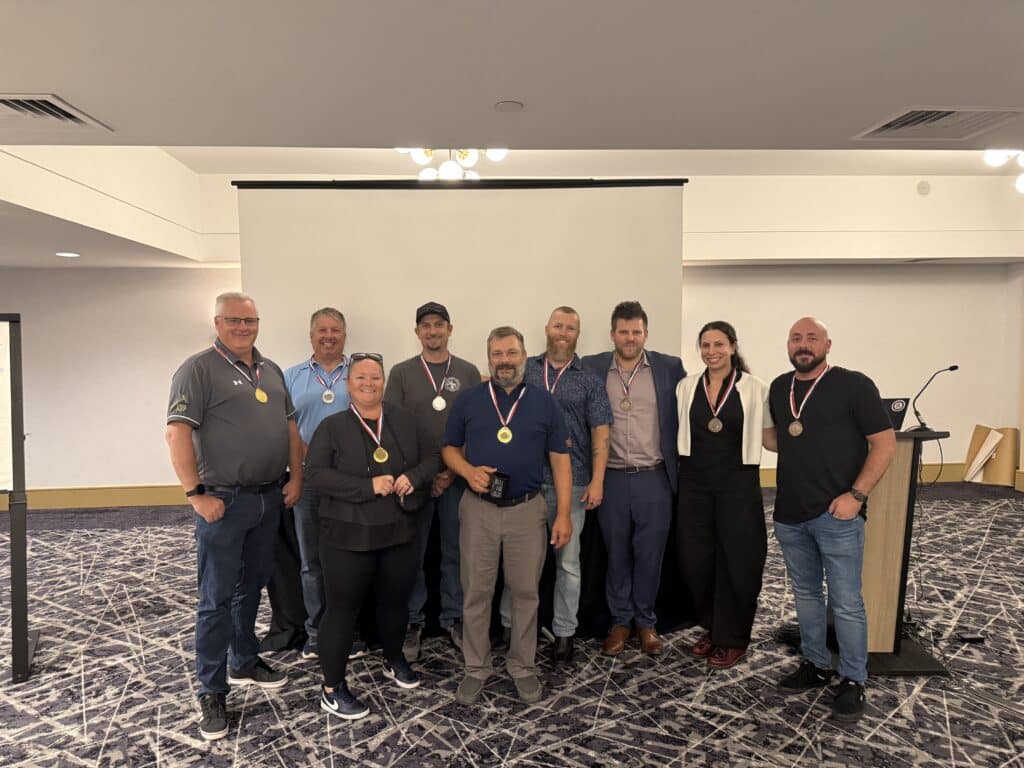
There were around 20 exercises throughout the week, many of them involving peer evaluations/ranking and group evaluations/rankings. After mock exercises, participants debriefed with critical feedback to their peers, and class participants voted to determine the class winners. “Local 9,” consisting of Brent James (Local 47), Constance Pagnello (Local 269) and Michael Beaudoin (Local 285), came in third place; “Local 4,” consisting of Jimmy Jones (Local 30), Donald Phillipo and Jake Jordan (Local 276) came in second place; “Local 2,” consisting of Shannon Kilgar (Local 30), Tim Last and David Harrison (Local 537) came in first place. The overall individual winner was Tim Last. 

“We hope participants took away valuable skills for approaching contractors using the top-down strategy, and that they all enjoyed the class,” said Mangelsdorf. “We look forward to returning to Canada in the fall!”

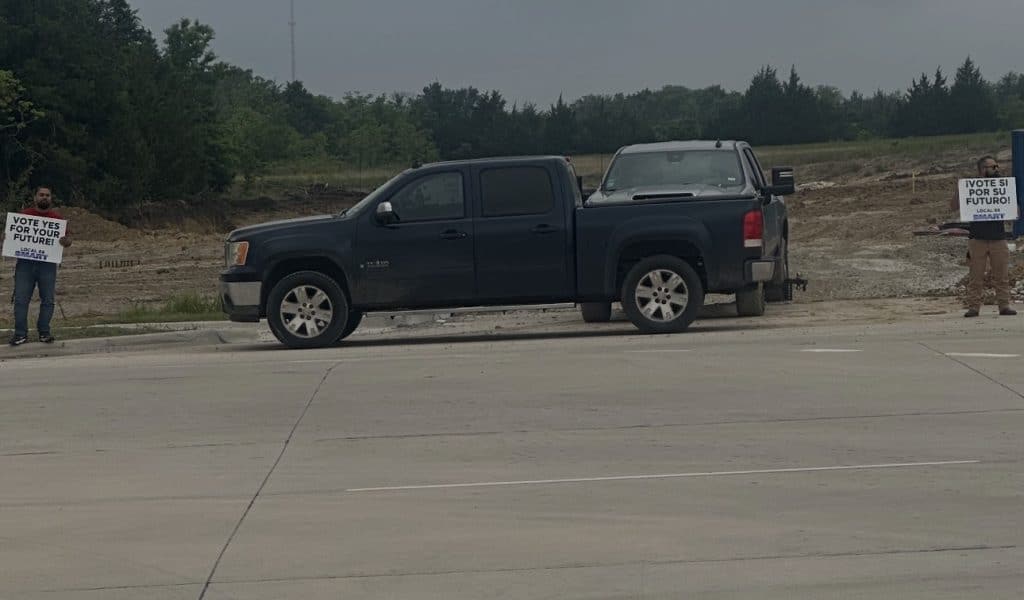
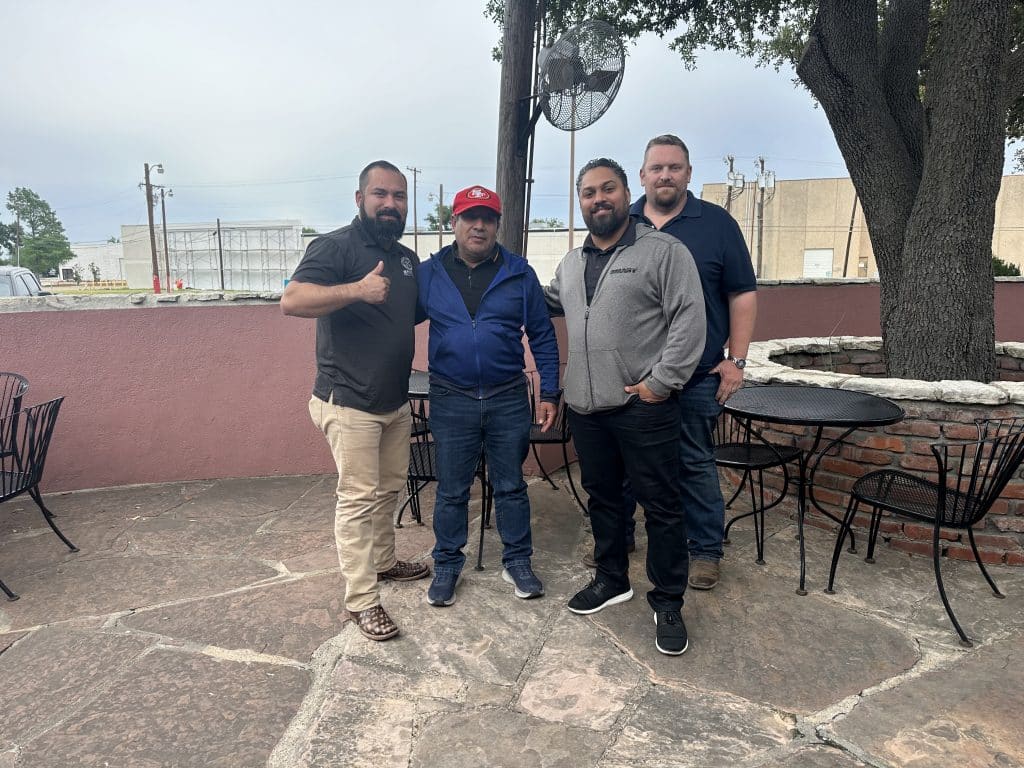
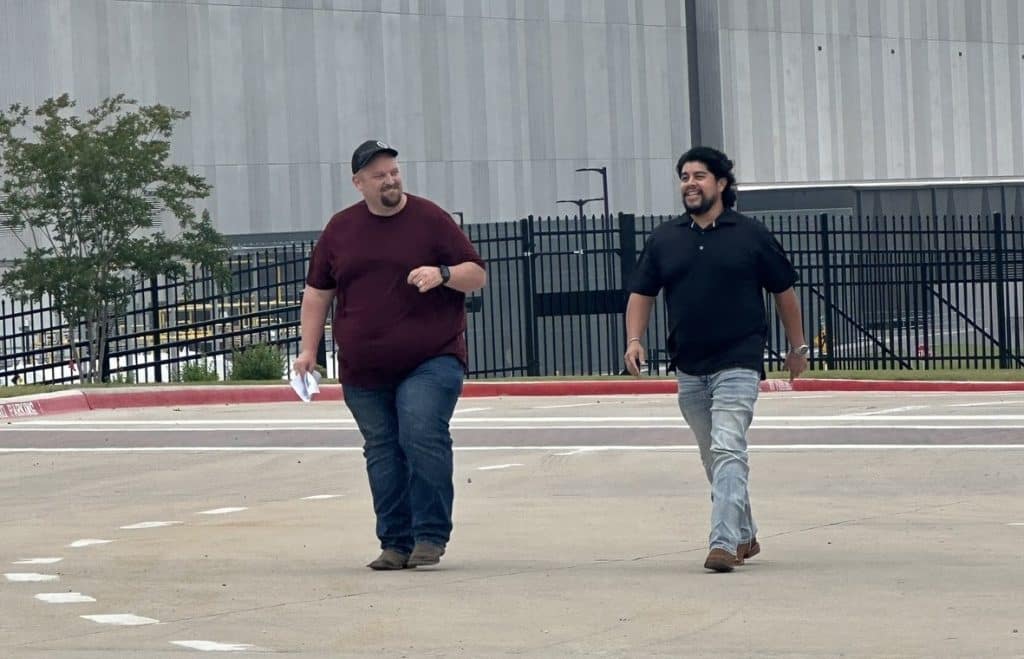
One of the biggest barriers unions face is misinformation: misconceptions about labor unions, often promoted by anti-union organizations, that cause workers to question the power of membership and collective strength. In Idaho, two SMART Local 55 staffers demonstrated the importance of communication in spreading the truth about the union difference.

At Southwark Metal Manufacturing’s Idaho operation, a recent new employee orientation became a strong example of what consistent union communication can accomplish. Carlos Arroyo and Chris Howell, who work for SMART Local 55, spoke with new hires about the value of union membership and, with support from workers who helped carry those conversations, signed up 20 of the 22 workers entering the facility.

Southwark Metal Manufacturing’s Idaho Division, located in Caldwell, Idaho, produces sheet metal products and services wholesale distributors across Idaho, Montana, Nevada, Oregon, Utah, Washington and Wyoming. Organizing members in a production shop can be difficult, and doing so in a “right-to-work” state — where local unions are weakened by having to represent workers who don’t sign up to pay dues — makes the challenge even greater.

That made the results of the orientation especially meaningful.

Rather than leading with a scripted pitch, Carlos and Chris began by asking workers what they had heard about unions. From there, they focused the conversation on real workplace experience, and they relied on the credibility of workers who helped explain what the union means on the shop floor.

They explained that union strength comes from participation. When more workers join and take ownership of their union, their collective voice becomes louder in negotiations and stronger on the shop floor. That message connected union membership directly to the issues workers care about every day.

The conversation also covered concrete benefits, including vacation, Union Plus programs and holiday pay. At this shop, workers receive 10 paid holidays.

Carlos and Chris were careful not to overdo the message. Instead, they kept the discussion focused, practical and tied to real results. They talked about workplace conditions the union had helped improve, including times when painting fumes became a problem or when blistering heat made the floor harder to work on. In those situations, the union helped push for solutions such as moving fans onto the floor and addressing conditions workers were facing directly.

Local 55 Regional Manager Kolby Hanson recognized this effort, noting that organizing production workers is especially difficult in a right-to-work environment. He credited Carlos with developing strong communication skills with production workers over the past couple of years and added that Chris is now building those same skills alongside him.

Their success at Southwark is more than a one-day achievement. It reflects the importance of steady communication, clear explanations of union value and trusted conversations with workers. By meeting new hires where they are, answering questions honestly and working alongside worker leaders who can speak from direct experience, Carlos and Chris helped demonstrate what strong internal organizing looks like.

Congratulations to Carlos and Chris on this important achievement and on helping to strengthen Local 55 at Southwark!

Throughout the state of Nevada, SMART Local 88 (Las Vegas) is organizing to grow its membership, strengthen union contractors and create more opportunities for members. That organizing has paid off, with the local recruiting sheet metal workers from nonunion competitors to meet ongoing workforce demands in Northern Nevada’s Reno area, home of SMART Local 26.

When SMART local unions work to bring new members into the unionized sheet metal trade, it isn’t just about growing the strength of our union. It’s about making life better for those workers and their families — and it helps current members by growing the strength of unionized contractors.

Local 88, under Business Manager Geremiah Robnett’s leadership, has demonstrated that union difference clearly. In the last two months, the local’s Organizing Department of Alfonso Lopez and Robert Diaz has signed up 15 new journeypersons from larger nonunion contractors in the region. These are foremen and workers that the local has known for years, maintaining constant contact through jobsite visits and referrals.

These newly organized Local 88 members are increasing their incomes in the range of $8-12 per hour solely on base hourly wages, with another $30 an hour in benefits that include Health & Welfare for their entire families, plus Tri-State and International pension plans.

Organizing new members to take on work in the Reno area — specifically from contractors who drive down wages in Southern Nevada — benefits the workforce for the entire state. It also helps level the playing field between union contractors and the bad-faith employers who consistently drive down area pay and working standards.

That’s why we organize!

The percentage of work that union sheet metal workers and contractors perform in a given region is called “market share.” When a local union’s market share is high, that means members have more work opportunities. When a local’s market share is threatened, members could face the possibility of reduced jobs.

That’s why SMART locals organize constantly to maintain and grow their market share. A recent example from Nevada demonstrates the impact.

A threat to Local 26 members

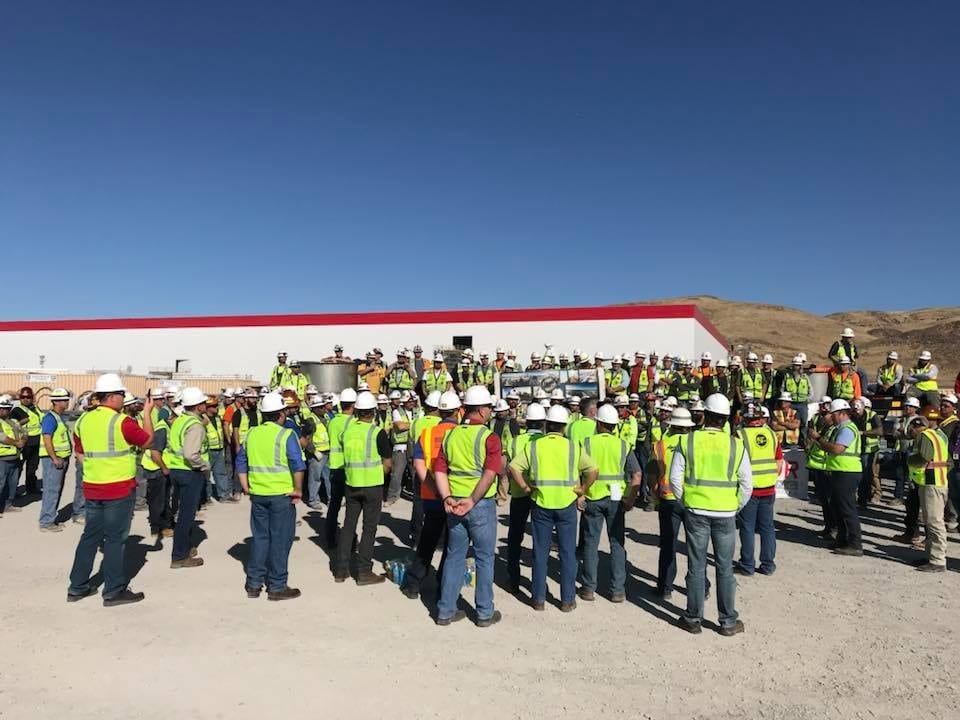
Since construction began at Tesla Gigafactory 1 in Reno in 2014, SMART Local 26 union contractors have successfully performed almost all mechanical sheet metal work on the project. The scale of the facility required workforce support from SMART members across the country, with sheet metal workers traveling from nearly every region to assist Local 26 in meeting the workforce demands of one of the largest industrial projects in the United States.

Members at the Gigafactory in 2017

Toward the end of 2025, rumors began circulating that Tesla had started self-performing a significant portion of the sheet metal work outside of the main Gigafactory building. Initially, Local 26 was unable to verify the reports until a former Tesla employee visited the union hall seeking employment opportunities.

During discussions with the worker, organizers learned that Tesla was performing large-scale ductwork installations using more than 60 workers from across the country — workers who were not SMART members. The worker also identified the project location and explained that Tesla was staffing the operation through a temporary labor provider, Superior Skilled Trades (SST), based out of Florida.

Further investigation revealed that SST was recruiting heavily from Southern states and other regions with lower wage rates, making Tesla’s compensation package highly attractive to workers willing to travel. SST’s focus was on providing labor quantity rather than skilled sheet metal experience, resulting in many workers possessing only limited sheet metal backgrounds.

Tesla’s use of out-of-state workers posed a clear danger to SMART members, taking away work opportunities in the region. Recognizing this threat, Local 26’s Organizing Department quickly mobilized.

From left to right: Organizer Cesar Carrillo, newly elected Business Manager Sean O’Keefe and newly elected Business Representative Shane Henderson

An opportunity to build union strength

Organizers began building relationships with workers on the project and developed an extensive list of potential members from the Tesla workforce. Through consistent jobsite visits, conversations and follow-up efforts, organizers identified qualified workers who could strengthen the local union while also reducing Tesla’s ability to self-perform work.

Over the following months, Local 26 successfully recruited more than 30 workers from the project, including 18 journeypersons, 7 forepersons and 5 apprentices.

The successful recruitment of these workers was an immediate help to Local 26, which was facing a period of unprecedented workforce demand. The additional workers helped the local satisfy workforce requests while simultaneously creating opportunities for union contractors to reclaim portions of the work that Tesla had originally planned to self-perform.

As of the end of the second quarter of 2026, Tesla continues to self-perform some sheet metal work; however, the scale of those operations has been significantly reduced compared to the previous year. Through aggressive organizing and workforce recruitment, Local 26’s Organizing Department successfully mitigated a major threat to members’ work opportunities while strengthening the local’s membership for future growth.

What began as a challenge to members’ market share ultimately became one of the local’s most successful recruitment efforts in recent years. Great work, Local 26!

When workers come together to form a union, they’re making a choice to build collective power and win the pay, benefits and workplace standards they deserve. The road to unionization is, far too often, a tough one. But as employees at Dallas-area contractor Stratus Systems demonstrated, solidarity on the job can help workers overcome the challenges in their path.

From 2023 through 2026, workers at Stratus Systems worked with SMART Local 68 members and organizers to build an organizing campaign through sustained outreach, relationship building and the determination of trusted worker leaders.

Organizer Yadriel Carrasquillo and Local 67 Production Organizer Ralph Gomez

Workers fight for their union

The campaign began years ago — and originally met what could have been a devastating setback.

Following worker-to-worker outreach in early 2023 that quickly turned into an organizing campaign by the end of the year, workers filed for an election to join Local 68 with the National Labor Relations Board (NLRB). When the election took place in January 2024, union supporters lost. But that wasn’t the end of the road. The organizing team rebuilt support by strengthening worker engagement, forming an internal organizing committee and expanding worker-led communication. The result? Out of 168 workers at the company, 96 signed cards signaling their intent to join Local 68.

Then, another setback: The United States government shut down, including the NLRB, significantly delaying the workers’ efforts.

Again, the workers refused to give up. In early 2026, organizers secured a rerun NLRB election, then executed an intensive campaign featuring daily strategy meetings, rapid response jobsite outreach, worker-to-worker messaging and strong support from volunteer leaders.

“Everyone was feeling excited because we knew that the workers knew the union had their backs by the workers’ smiles, honks and waves,” said Organizer Yadriel Carrasquillo, who had previously worked as a journeyperson on a jobsite alongside many Stratus employees.

And on May 1, 2026, workers voted in favor of union representation, making SMART Local 68 the certified representative of Stratus Systems employees.

The campaign demonstrated the importance of persistence, worker leadership and coordinated organizing in overcoming setbacks and achieving a successful union election.

Welcome, brothers and sisters!

Worker leaders, pictured above, started the campaign and kept driving it forward

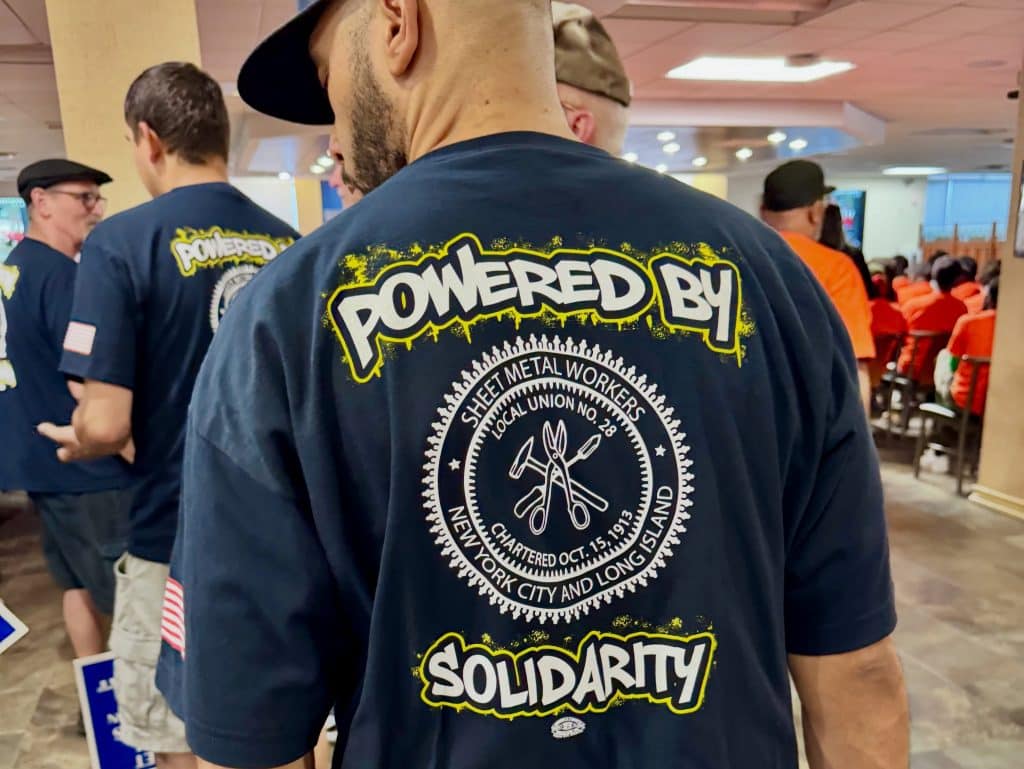
New York City, one of the most famous metropolises of the world, is built, moved and powered by union members. And in New York and New Jersey, SMART Local 137 and Local 28 are working constantly to create more opportunities for union members, expand the number of unionized contractors performing work in the region, and help workers experience the difference in pay, benefits and quality of life that comes from SMART membership.

One recent success came after a Local 137 member alerted Organizer Robert Soto that a non-signatory contractor planned to perform overnight work at the HELIX project at Rutgers University in New Brunswick, New Jersey — a three-building complex that promised plenty of work for SMART sign workers. Acting quickly, Soto responded to the project, resulting in hundreds of work hours being secured for Local 137 members while also opening productive discussions with the contractor regarding future opportunities to put SMART members to work throughout Northern New Jersey.

Local 137 has also continued its long-term strategic campaign to bring CAD Signs, one of the region’s largest nonunion sign contractors, into SMART. While maintaining discussions with company leadership, the local simultaneously strengthened its signatory contractor base by assisting AMA Signs in establishing a New Jersey operation and recruiting experienced employees from CAD. To date, 6 of AMA’s 12 journey-level workers and apprentices at the New Jersey location are former CAD employees, with additional workers continuing to transition to the union contractor.

Another organizing opportunity developed when contractor Signarama contacted Local 137 regarding work at a shopping mall covered by a labor harmony agreement. Rather than risk labor issues, the contractor agreed to subcontract the project to a Local 137 signatory contractor. In the short term, that meant more work opportunities for SMART members. In the long term, the successful collaboration has already generated additional subcontracting opportunities, and discussions continue regarding the company signing a Local 137 agreement.

The organizing momentum continued across the region as SMART Local 28 successfully signed Sahara Construction Corp. as a union contractor. The agreement brought nine new members into Local 28 and further strengthened the local’s contractor network throughout New York City.

Together, these victories demonstrate that successful organizing rarely relies on a single tactic. Through strategic job actions, targeted workforce development, relationship building, contractor assistance and sustained organizing discussions with management, SMART Locals 137 and 28 continue expanding the share of work performed by members in the region and creating new opportunities for workers.

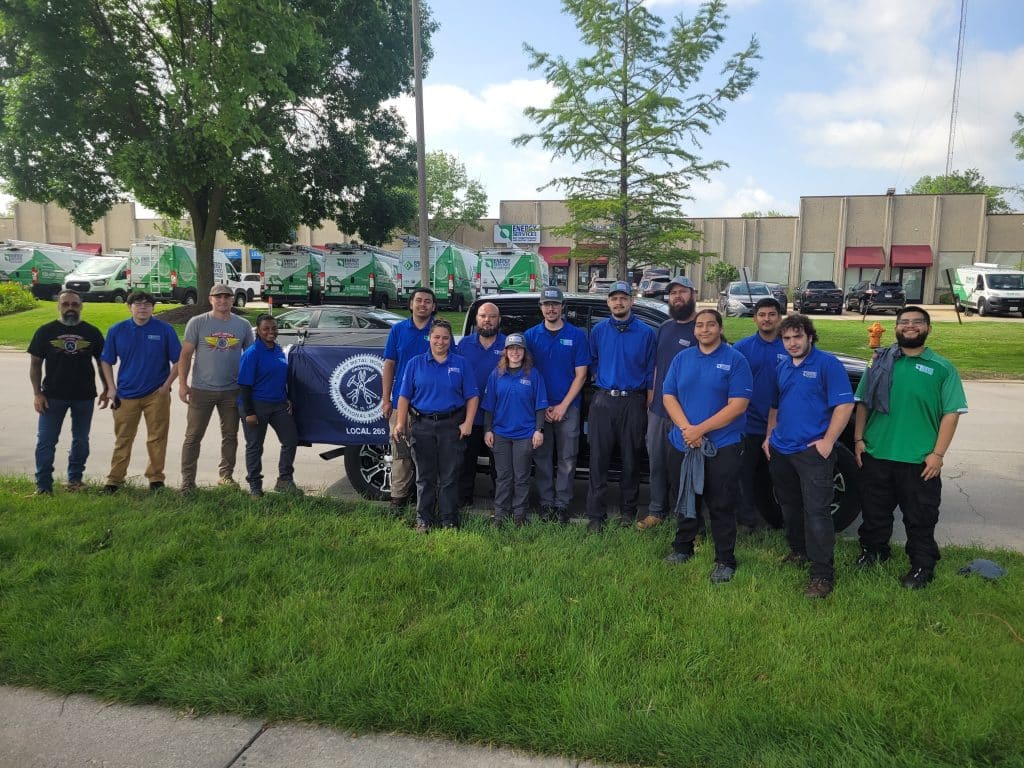
In May 2026, the employees of Energy Services in Naperville, Illinois, demonstrated the power of solidarity when they voted 17-3 to join SMART Local 265. The National Labor Relations Board election itself was decisive; it was also the culmination of months of organizing and years of relationships built among coworkers who viewed one another as more than just fellow employees.

For many of the workers at Energy Services, a residential service company in the greater Chicago area, the company was a second home. A significant portion of the workforce had spent between 8 and 12 years building the business and serving customers together. They celebrated milestones, supported one another through difficult times and developed a level of trust that can only come from years of working side-by-side.

That trust became the foundation of a successful organizing campaign.

Organizing for change

The catalyst for change came in late 2025 and early 2026, following a private equity acquisition. As new ownership took control, workers began seeing changes that raised concerns about the future of the company and their livelihoods.

Compensation structures employees had relied upon for years began changing. Workers experienced reductions in pay while increased emphasis was placed on commission-based sales opportunities. Employees who had built careers around providing quality service found themselves questioning the company’s direction and what those changes would mean for both workers and customers.

Across many industries, private equity acquisitions often bring promises of efficiency and growth. Workers, however, frequently bear the burden: They experience pressure to increase profits, reduce labor costs and prioritize short-term financial returns. The employees at Energy Services worried that the workplace culture they had spent years building was beginning to erode.

Those concerns extended beyond long-time employees. Veterans of the company felt a responsibility to protect newer coworkers from further reductions in pay, benefits or workplace stability. What began as conversations among trusted coworkers quickly grew into something larger.

Workers spoke openly about the challenges they faced and the future they wanted to create. Rather than focusing solely on individual concerns, discussions centered on how, by acting collectively, they could provide stability, fairness and a meaningful voice in workplace decisions.

Worker-to-worker organizing builds workplace power

SMART Local 265 Organizers Jay Jones, Joel Orozco and Mike Powers worked alongside the employees throughout the campaign, providing guidance, resources and organizational support. Behind the scenes, the effort included countless evening phone calls, organizing committee meetings and weekend strategy sessions. The goal was never to speak for the workers, but to help workers build the confidence and structure to help them speak for themselves.

The organizing committee became the engine that drove the campaign forward. Workers routinely dedicated evenings and weekends to planning outreach, discussing concerns raised by coworkers and preparing for the next phase of the campaign. Committee members took ownership of the effort, ensuring every Energy Services worker had the chance to ask questions, share concerns and make an informed decision about representation.

The campaign was built through worker-to-worker organizing.

Employees identified natural leaders within the company and focused on one-on-one conversations. Coworkers listened to concerns, answered questions and shared their experiences. Through those discussions, workers discovered that many of the frustrations they believed were personal were shared throughout the workforce.

As support continued to grow, employees signed authorization cards and built a strong organizing committee. The campaign was grounded in a shared belief that workers deserved a seat at the table when decisions affecting their lives were being made.

Management responded with an extensive anti-union campaign.

Employees attended “voluntary” meetings and participated in one-on-one discussions designed to discourage support for union representation. Week after week, workers were presented with reasons why they should reject their union.

By that point, however, the campaign had become about something more than any meeting or presentation.

Years of shared experience had created bonds that could not easily be broken. Employees continued discussing the campaign after meetings, comparing information, and keeping their focus on the issues that had inspired them to organize in the first place.

Throughout the campaign, workers demonstrated remarkable courage. A union campaign is never easy, particularly when management actively opposes it. Yet employees remained focused on securing collective power and protecting the workplace they had helped build.

On May 6, 2026, those efforts paid off.

A worker win in Naperville

When the ballots were counted, the workers voted overwhelmingly in favor of representation by SMART Local 265. The final tally of 17-3 reflected not only support for union representation, but also the strength of the relationships that had fueled the campaign from the beginning.

The Energy Services victory serves as a reminder that successful organizing campaigns are built on solidarity, commitment and workers looking out for one another.

This campaign was not simply about wages, commissions or workplace policies. It was about a group of employees who refused to stand by while decisions affecting their futures were made without them. It was about long-time coworkers protecting one another and ensuring that newer employees would have the same opportunities and stability they had worked for years to create.

Most importantly, it demonstrated a simple truth: When workers stand together, they can shape their own future.

SMART production members manufacture some of the most important components of the 21st-century economy. From Ontario, Canada, to Faribault, Minnesota, to Springfield, Missouri, to Southern California, these workers manufacture everything from large-scale HVAC equipment to data center cooling towers. And across North America, SMART leaders work to represent these workers to the best of their ability.

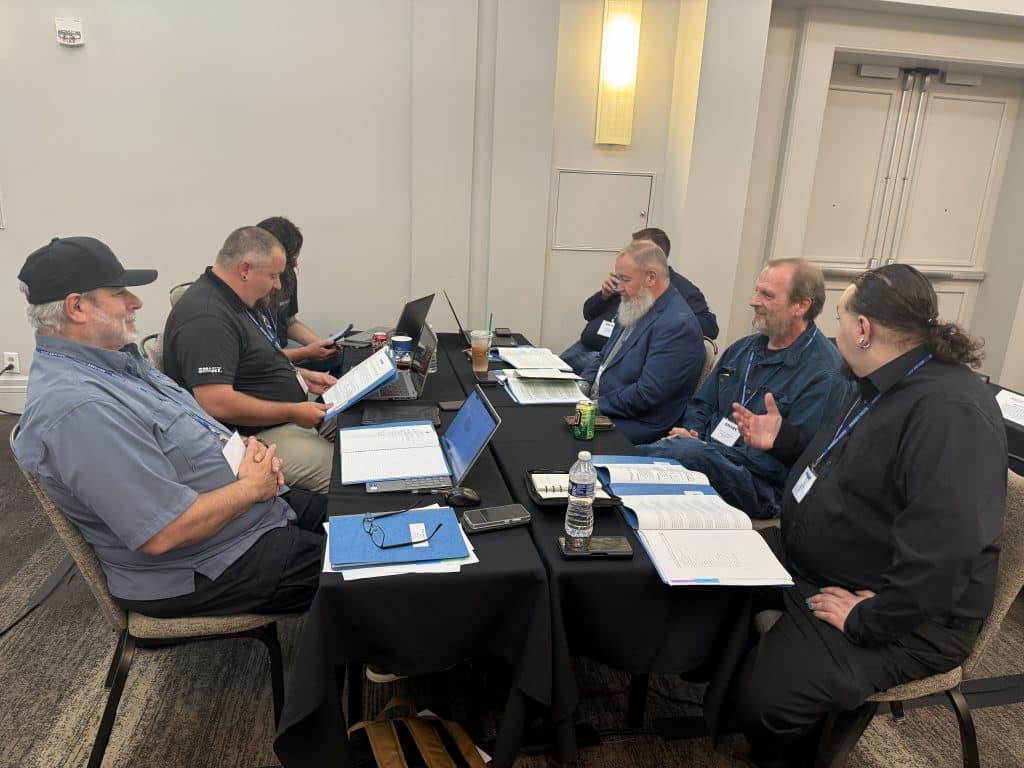
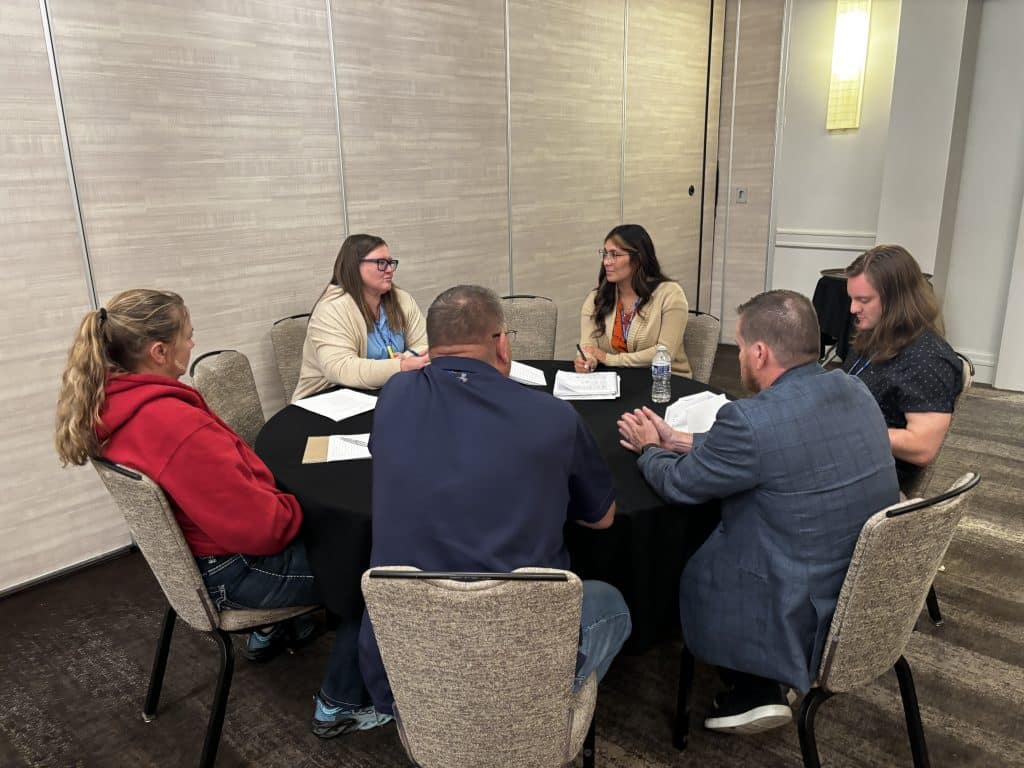
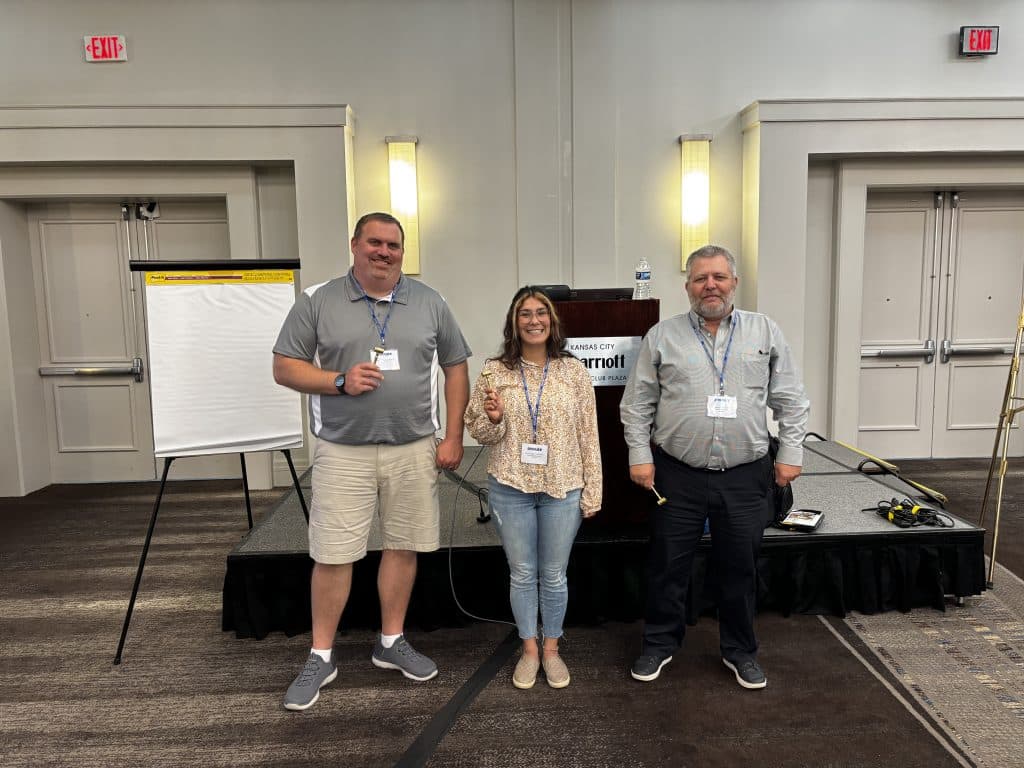
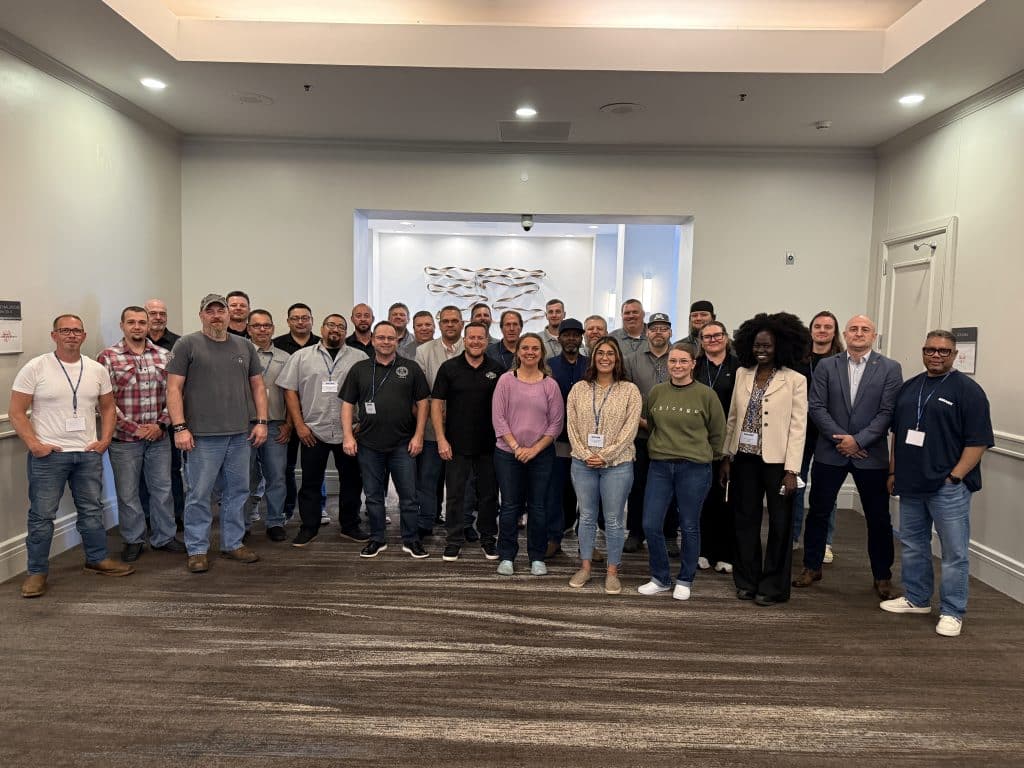
For that reason, the SMART Education Department and the Production Workers Department held the annual Production Institute in Kansas City, Mo., during the week of June 1, 2026. The focus of the Production Institute, a progressive-format multi-year course, is to train union officials — including stewards — on how to effectively represent our production members.  

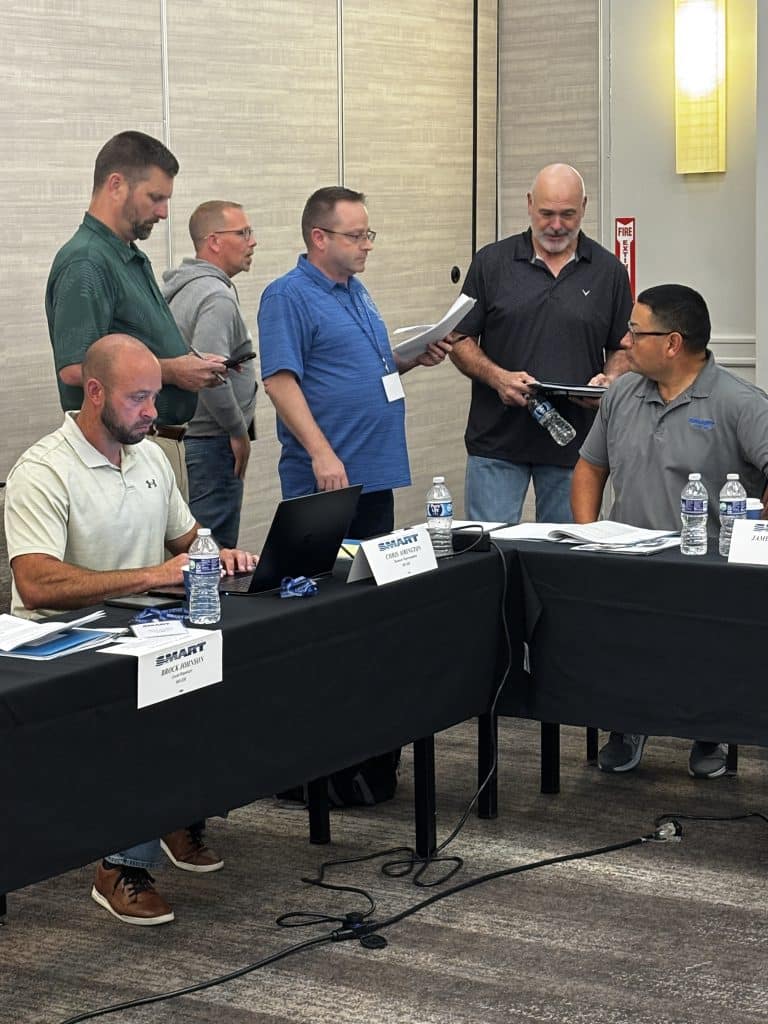
This year, there was a change to the previous format of the Institute. New 2026 participants were combined with the former first-year students from 2025 into a single, newly designed class that focused on grievance processing. The participants worked throughout the week to take several mock grievances from the initial report stage, through investigation, negotiation with the employer (role played by instructors) and ultimately to arbitration, where they participated in a mock arbitration. 

Students received points for resolving their grievance at the right point in time, and there were also peer rankings that helped determine the winners for the class. Congratulations to Brian McCord (Local 15, Central Florida), Alexis Montesdeoca (Local 555, Knoxville, Tenn.) and Ted Rothstein (Local 480, Faribault, Minn.) for being the top three point scorers in the class.  

The third-year class continued on with the format from 2025, preparing for and role-playing a mock grievance arbitration and collective bargaining sessions.

“Congratulations to the third-year class for graduating from the Production Institute!” said SMART Director of Education Eli Baccus. “Stay tuned for more changes for the Production Institute in 2027.”

Please note, the Production Institute is no longer invite only. Full-time union officials from any local and production stewards (with the approval of their local) can register for this class just like any other class offered by SMART’s Education Department.