Union membership brings real change to workers and employers alike, and Div 15 Tech, Inc. out of Sacramento, California, is proof. 
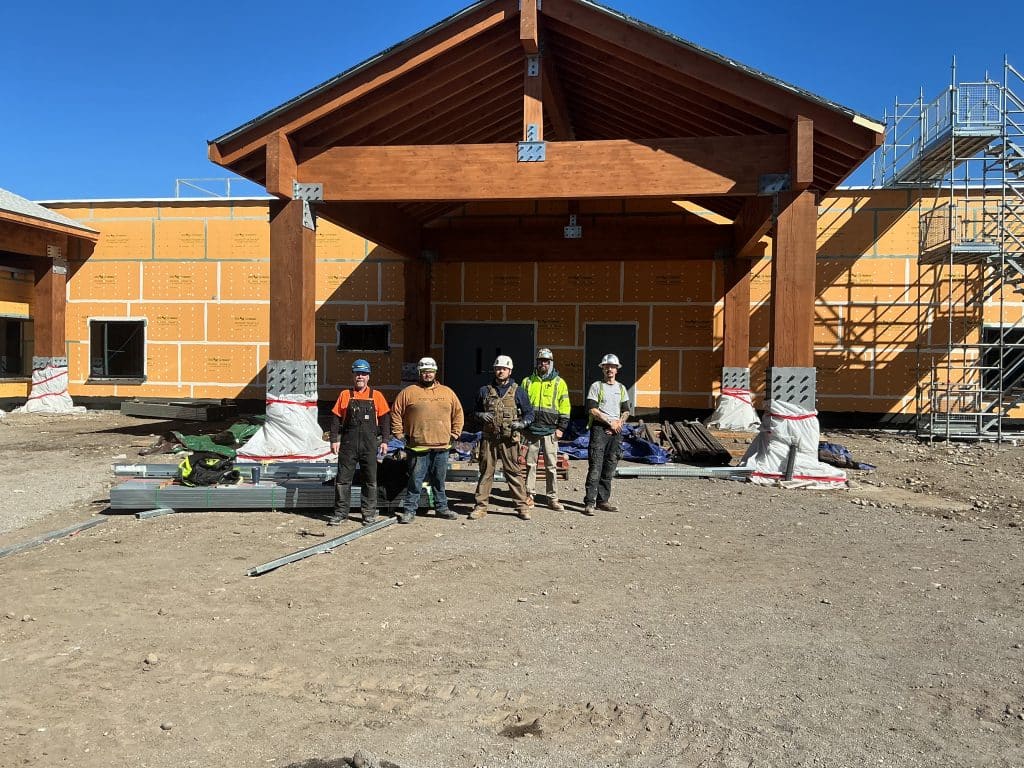
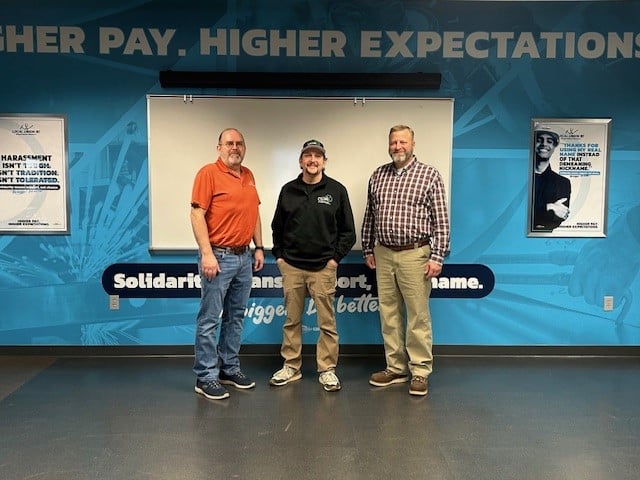
For years, SMART Local 104’s Business Development team met with Div 15 Tech owner Blake Harrison and made the case for signing a collective bargaining agreement. The message was straightforward: Local 104 could provide access to a highly trained workforce, a state-of-the-art training center and the long-term stability that comes with partnership.

For a long time, that message did not resonate. Like many nonunion contractors, Harrison was skeptical — influenced by industry pressure — and he chose to remain independent.

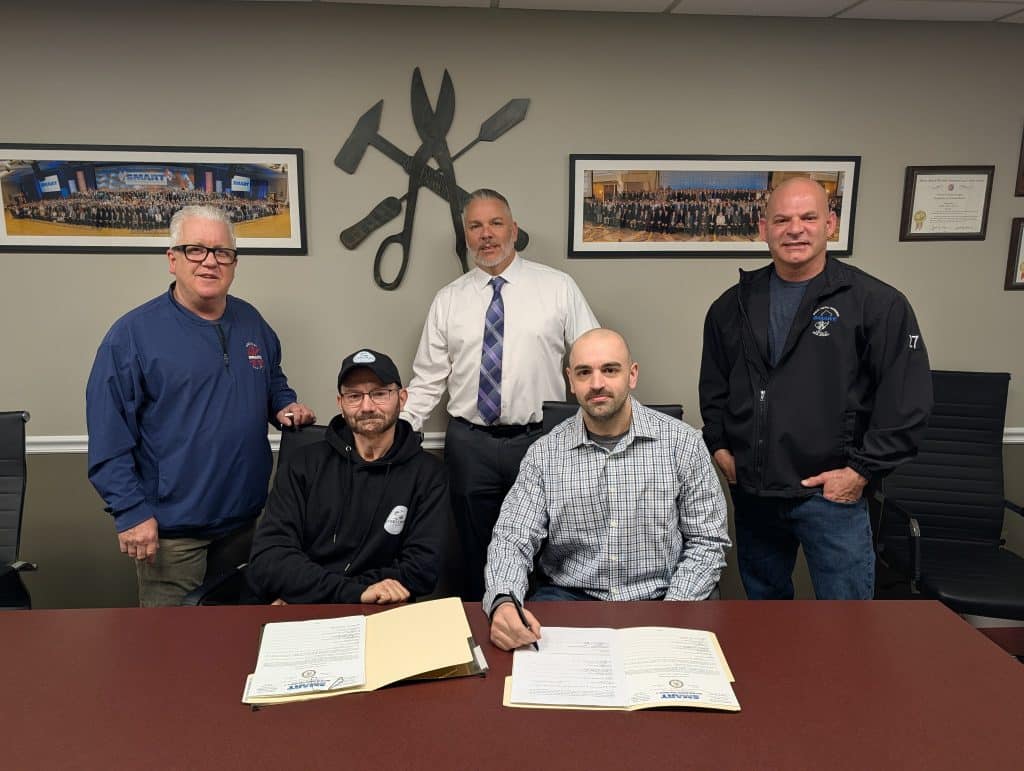
The turning point came when Harrison, discouraged and considering selling his company, reached out to Local 104 Organizer Aaron Leslie to see if the local could help him find a buyer. Instead, Leslie built a relationship grounded in trust and transparency. Through that process, and after taking a closer look at Local 104’s training programs and the professionalism of the local’s members, Harrison decided not to sell. He signed with Local 104. 

In less than four months, Div 15 Tech brought on 16 Local 104 members and developed a strong working relationship with the local’s business representatives and organizers — setting the stage for a bright future ahead.  

“I should have done this 20 years ago,” Harrison remarked.

The takeaways are simple. For local organizers, consistent outreach, patience and credibility matter. Even when conversations seem unproductive, relationships can create opportunities later. And for business owners who aren’t yet signatory, it’s even more straightforward: It is never too late to secure quality training, skilled workers and a strong partnership by signing with SMART.

Employers and employees benefit when they go union. This is why we organize!  
When companies use low-road contractors on construction projects and lower local jobsite standards, sheet metal workers, communities and businesses suffer — which is exactly why SMART local unions organize to make sure that doesn’t happen.

For SMART Local 19, a campaign that started with a Chick-fil-A construction site in Glassboro, New Jersey, eventually led to a huge victory for sheet metal workers and communities across the state.

The Glassboro Chick-fil-A was initially using a nonunion contractor to install its sign, menu board and advertising package — meaning sheet metal workers performing that work were not being paid the union-negotiated wages that local community members deserve. In response, Local 19 began bannering the Chick-fil-A construction site; later they brought out an inflatable “Scabby the Rat,” which stood on the jobsite with the banner for three days. Shortly thereafter, Local 19 Organizer Brian Heino received a call from management, informing the local that the work package for that project was re-awarded to a Local 19 signatory contractor.

Another Chick-fil-A location soon broke ground a few miles away — again, using a nonunion contractor. So Local 19 brought back the banners and Scabby in order to raise awareness about why it’s important to use high-road contractors and pay New Jersey sheet metal workers what they deserve. Once again, a Local 19 contractor was re-awarded the work package, securing opportunity for SMART members.

But this time, the work award wasn’t just for the one project — it was for ALL future and current Chick-fil-A locations being built and planned for construction in New Jersey.

When we let people know about the issues happening in their communities, and when companies and contractors realize that those issues aren’t just going to disappear, unions can win real progress for sheet metal workers and local jobsite standards.

For SMART members in New Jersey, the proof lies in every new Chick-fil-A construction site that breaks ground from here on out.

Great work, Local 19!

When two members of SMART Local 27 (Southern New Jersey) started to think about starting their own sheet metal company, the local initiated organizing conversations right off the bat. The result? Local 27’s latest signatory contractor: SteelCraft Industrial, a specialty steel fabrication company in Keyport, New Jersey.

The strategic organizing effort started early. When the two members first began to consider leaving their jobs and starting their own business, they had preliminary discussions with the local’s Organizing Department, expressing interest in being signatory to Local 27. Recognizing the opportunity, local organizers immediately began working with them on the benefits of building the company as a union contractor from the start.

Under the direction of Local 27 Business Manager Christopher George, the organizing department worked directly with the prospective owners over several meetings and phone calls, outlining the advantages of becoming signatory — including access to a skilled workforce, the ability to compete for prevailing-wage and public works projects, the benefits of participation in the union’s established benefit and training programs, and much more. The members and the local also discussed the long-term stability that union affiliation could provide for both their business and their families.

After several months of back-and-forth discussions and negotiations, the owners agreed to move forward and sign with SMART Local 27 — expanding our union’s contractor base in the Garden State.

SteelCraft provides yet more proof of why we organize: to benefit sheet metal workers, contractors and communities across North America.

SMART organizers across North America work constantly to help contractors learn about the union advantage: top-notch training, a skilled workforce, the opportunity to grow through partnership and more. That learning process can sometimes take years — but ultimately, local unions, contractors and employees benefit.

That’s the case for recently signed Local 91 (Rock Island, Illinois) contractor O’Dell’s Heating and Air, which officially partnered with the local in December 2025.

“We recently decided to go union,” O’Dell’s wrote on Facebook after the company signed. “We feel the training for union techs is unparalleled and it offers our O’Dell’s family a benefit package they more than deserve. Local 91 has been tremendously helpful through the transition and we couldn’t be more excited to be part of their organization.”

Since 2018, Local 91 had maintained consistent outreach with O’Dell’s through several organizers, each addressing common concerns about cost, control and company size. The current organizer, Chuck Earp, shifted the approach toward understanding operational challenges, which proved pivotal when the contractor toured the training facility and observed apprentices in session. That experience highlighted the growing skill gap within the contractor’s workforce.

O’Dell’s also noted ongoing difficulty finding experienced workers and was operating two employees short, a need that Local 91 immediately filled after signing the contractor. With the contractor’s involvement in new home construction, including a recently awarded 38-unit housing project, the union partnership opened new opportunities for O’Dell’s to compete more effectively in a residential market heavily dominated by nonunion contractors.

Ultimately, the contractor recognized that its true limitations were not wages or autonomy, but access to skilled labor and structured training. By addressing those needs without interfering in business operations, Local 91 successfully brought O’Dell’s on as a signatory shop — an excellent example of a patient, low-pressure organizing strategy that builds trust through value and collaboration.

SMART Local 441 members at Ingalls Shipbuilding — a shipyard in Pascagoula, Mississippi, currently building ships for the United States Navy — recently ratified a five-year agreement that will provide an 18% pay increase right away, 32% increases in the first four years and a variety of other benefits. The new contract demonstrates the importance of organizing rigorously in so-called “right-to-work” states — and the power of a union contract.

Ingalls Shipbuilding, founded in 1938, is one of the largest private employers in Mississippi. The workers there have been performing work for the U.S. Navy for generations, playing a critical role in maintaining our country’s fleet. Despite that fact, there had not been a fully negotiated collective bargaining agreement at the shipyard in over 20 years; past agreements were extensions that only improved wages and health insurance or barely kept up with the cost of living.

For that reason, Local 441’s leadership, headed by Business Manager Thomas Fisher II and Organizers Richard Jennings and John Lake, used the contract campaign to mobilize members, with shop stewards rallying members and encouraging workers that were previously not paying dues to join our union. Working together, the Local 441 team was able to sign 43 new members, 23 of which were signed on the day of the contract vote. These new members push Local 441’s totals in the bargaining unit to over 80% union.

Along with the stellar pay, the contract contains shift premiums of 10%, and specialty and combination workers will receive an additional 5% as well. Perhaps most importantly, SMART members at Ingalls are now in a better position for future rounds of bargaining, with new members helping grow the local’s strength at the shipyard.

This is why we organize!

In a victory for SMART members, university students and jobsite standards, Local 206 (San Diego) recently flipped a large college housing project away from a nonunion competitor.

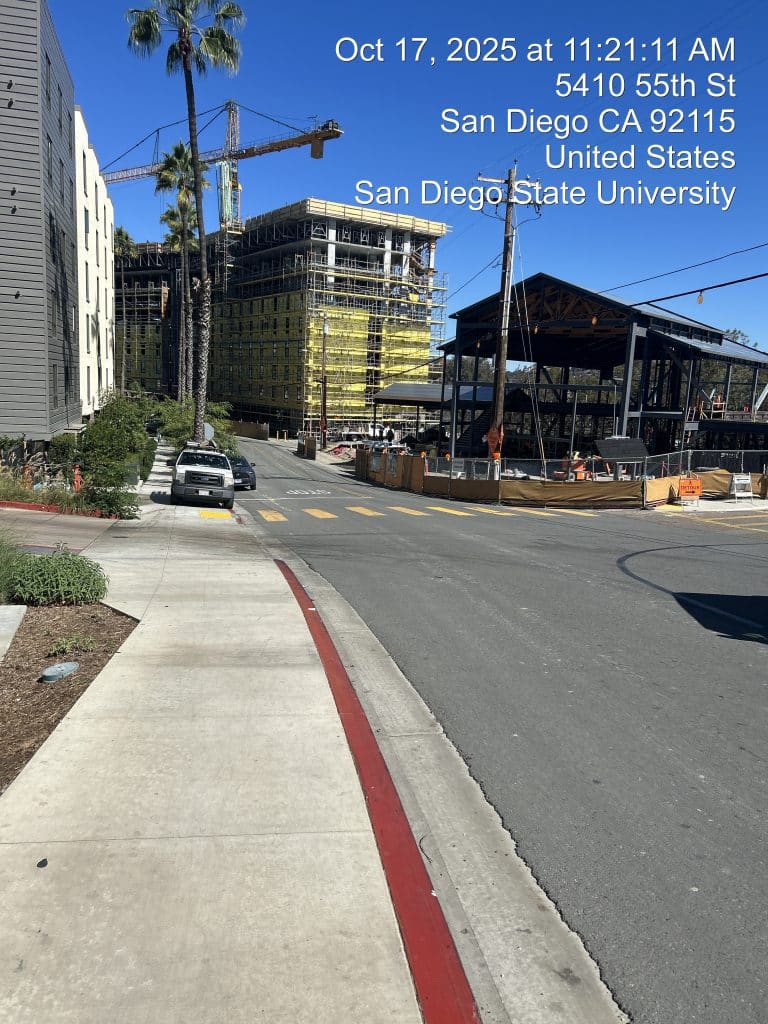
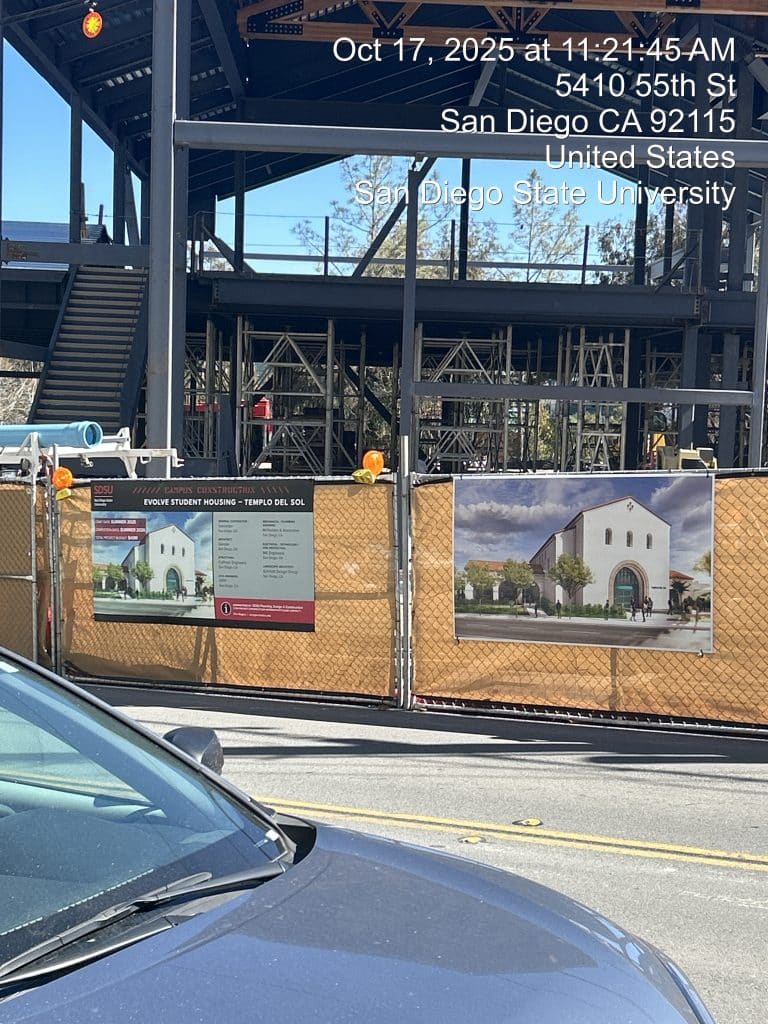
The Evolve Student Housing development at San Diego State University (SDSU) is a $450-million, multi-phase project consisting of five residential towers and an amenity building, with construction that started in May 2025 and continuing through December 2030. The university’s plan calls for maintaining student housing capacity throughout construction by bringing new beds online before existing units are demolished.

Ahead of construction, Local 206 signatory Ocean Park Mechanical completed BIM coordination and prepared to perform the mechanical scope. However, the general contractor, Swinerton, ultimately awarded the full mechanical package to nonunion company Atlas Mechanical.

Local 206 was familiar with Atlas from prior projects in the region. Union representatives began monitoring Phase 1 of the SDSU project and conducting site visits to assess progress. Conversations with other trades and on-site observations indicated that the mechanical contractor was struggling to meet project scheduling demands.

During this process, Local 206 brought to Swinerton’s attention an alleged wage-and-hour violation involving Atlas Mechanical.

In the months that followed, A.O. Reed & Co., a longtime Local 206 signatory contractor, was invited to submit a proposal for the next phase of work and later to provide pricing to assume additional phases of the development. A.O. Reed was subsequently awarded Phase 2 of the project and is currently in discussions to perform mechanical work on future phases of the Evolve Student Housing development.

This outcome reflects the importance of strategic jobsite monitoring, contractor accountability and maintaining strong relationships with owners and general contractors. Through coordinated efforts, Local 206 was able to help position a qualified signatory contractor to successfully deliver the mechanical scope on one of the region’s most significant higher-education housing projects.

That means work opportunities for SMART members. That means high standards for workers on the project. That means college students benefit from the quality and craftsmanship that signatory contractors bring to the table.

That is why we organize!

Sisters and brothers,

As Canada kicks off its 6th Annual National Roofing Week, it’s a great time to be a SMART member and a roofer.

Roofers, as skilled trades professionals, play a critical role in building and maintaining the infrastructure that keeps our communities safe and resilient. This week is an opportunity to celebrate the legacy projects that span coast to coast to coast — from hospitals in British Columbia to long-term care homes on the East Coast and innovative library projects in Ontario; our dedicated members are truly building the future.

As Canada enters a new era of growth, focusing on green energy projects and the transition to net-zero, roofers stand at the forefront of this transformation. From solar-ready roofs to green roofing systems, our members are leading with integrity, respect, and pride as they build a clean and sustainable future. With hundreds of thousands of skilled trades jobs needed to meet Canada’s climate goals, roofers play a crucial role in creating resilient communities and supporting the transition to a green economy. 

Let’s take this opportunity to recognize the contributions of roofers and emphasize the importance of skills development and training, ensuring that we have a diverse and powerful workforce ready to meet Canada’s needs.

In solidarity,

Jack Wall, SMART Director of Canadian Affairs

SMART’s Ontario organizers held their first-quarter meeting on Tuesday, March 18, where they strategized for the months ahead and further developed their knowledge and skills.

“It was a highly productive session where we tackled key topics, including preparing for the open period, CRM training with Kris Harmon and Cecilia Locke, the Ontario blitz, area reports and more,” said SMART Canada International Representative for Business Development Patrick Gordon. “The discussions were insightful, setting a strong foundation for our upcoming initiatives.”

On Wednesday, March 5, a bipartisan group of lawmakers reintroduced the Protecting the Right to Organize, or PRO Act. SMART issued the following statement in response:

“Year after year, we hear about the tens of thousands of workers who want to organize for the pay, job security and safety protections they deserve — but were unable to do so because of our nation’s broken labor law. The PRO Act is the common sense, bipartisan legislation we need to fix our damaged system and empower American workers, from sheet metal shops to railyards, on buses and freight locomotives, in classrooms, hospitals and beyond. We thank Reps. Bobby Scott and Brian Fitzpatrick in the House and Sen. Bernie Sanders in the Senate for reintroducing this legislation, and we call on any legislator who considers themselves a worker ally to add their support.”

As 2025 gets fully underway, bringing with it a new set of challenges across the United States and Canada, the SMART Education Department continues to offer classes to SMART members and officers — helping local unions better represent members, and strengthening our union.

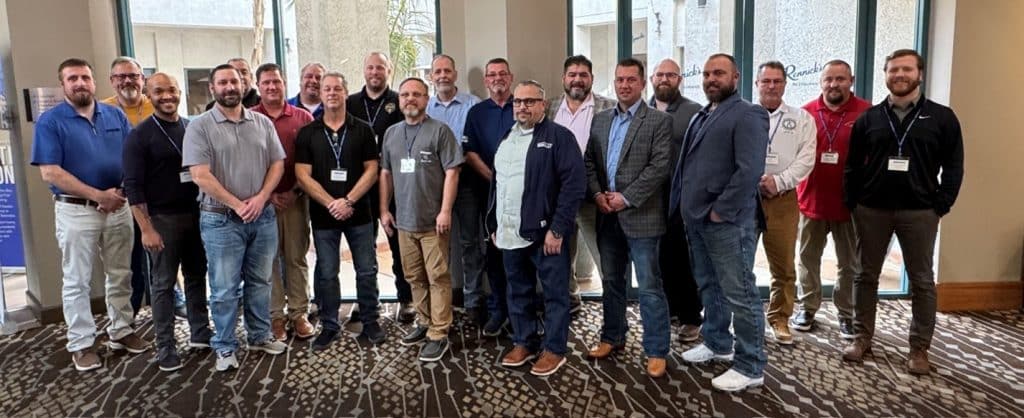
Effective Communication I attendees
Effective Communication attendees

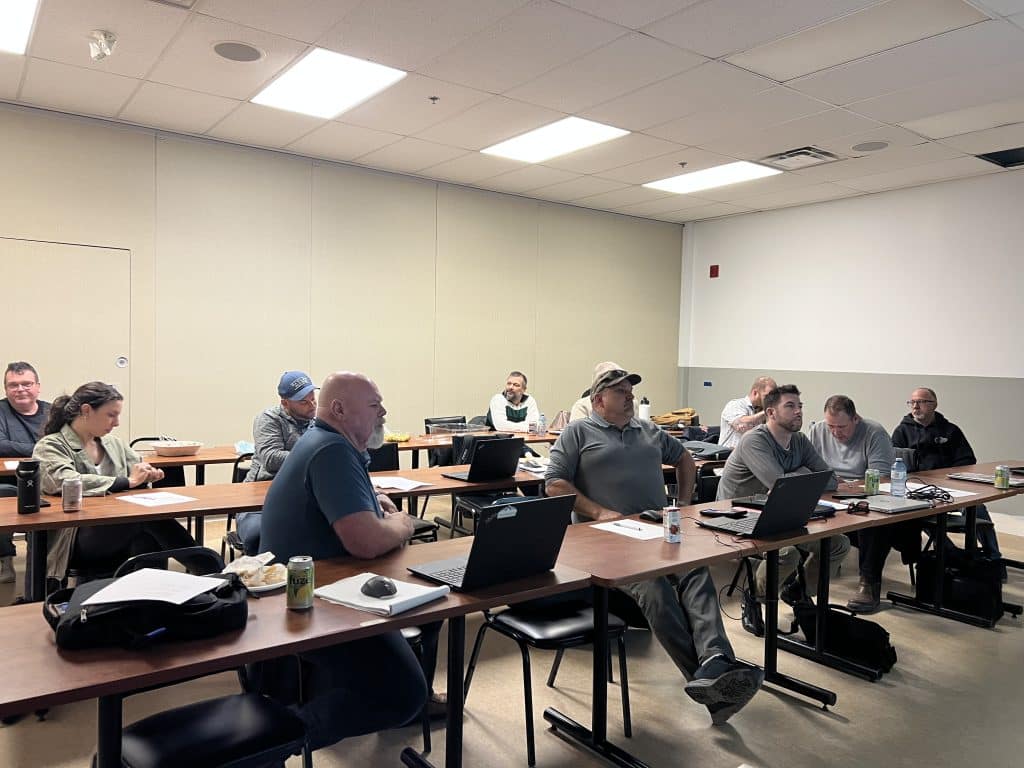
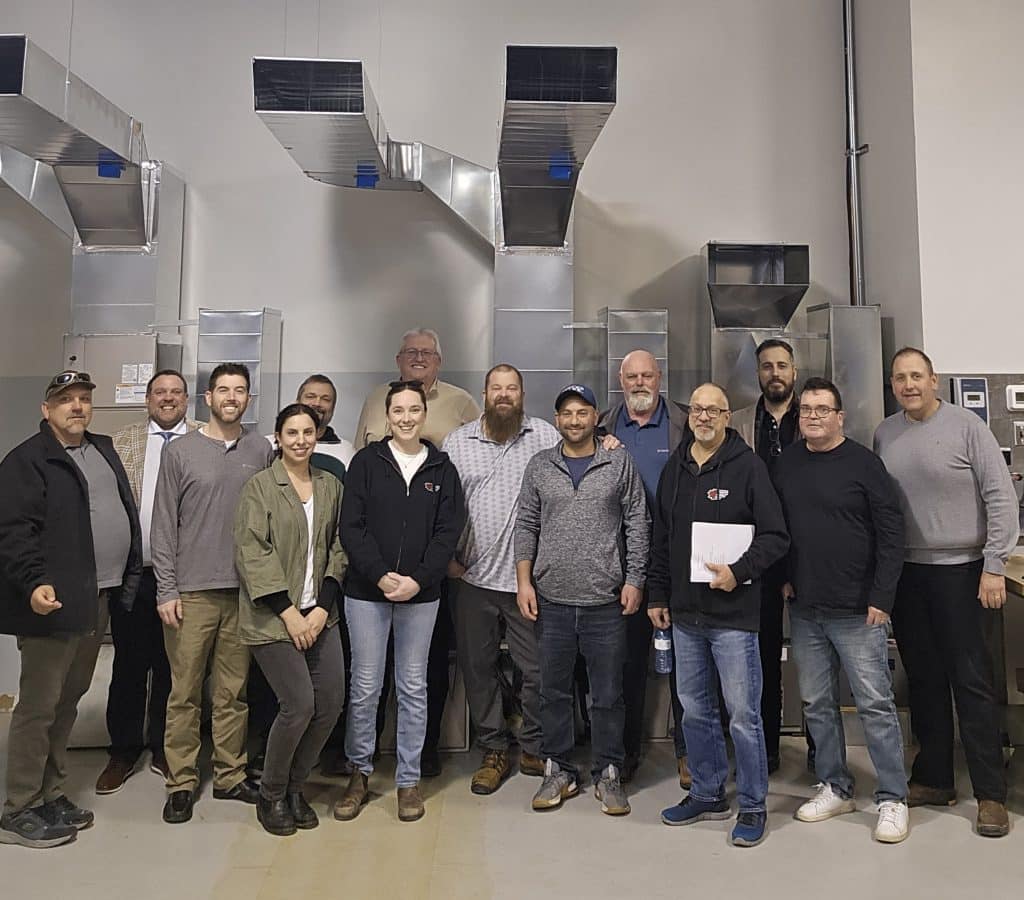
The Education Department held its Effective Communication I class in Phoenix, Arizona, during the week of January 13, 2025. Effective Communication I is focused on improving and applying public speaking skills by giving participants the opportunity to write, research and deliver speeches in front of the class. Participants worked individually and in groups to build informational and persuasive speeches on topics picked at random.

Effective communication is vital for activists of all kinds in our union — whether speaking at a union meeting, testifying to the importance of project labor agreements in front of a city council or speaking to organizing workers coming off the shop floor, communicating impactfully and persuasively can concretely benefit SMART members.  

“Over the course of the class, the participants made noticeable improvements in their public speaking comfort level and delivery,” SMART International Instructor Richard Mangelsdorf reported.

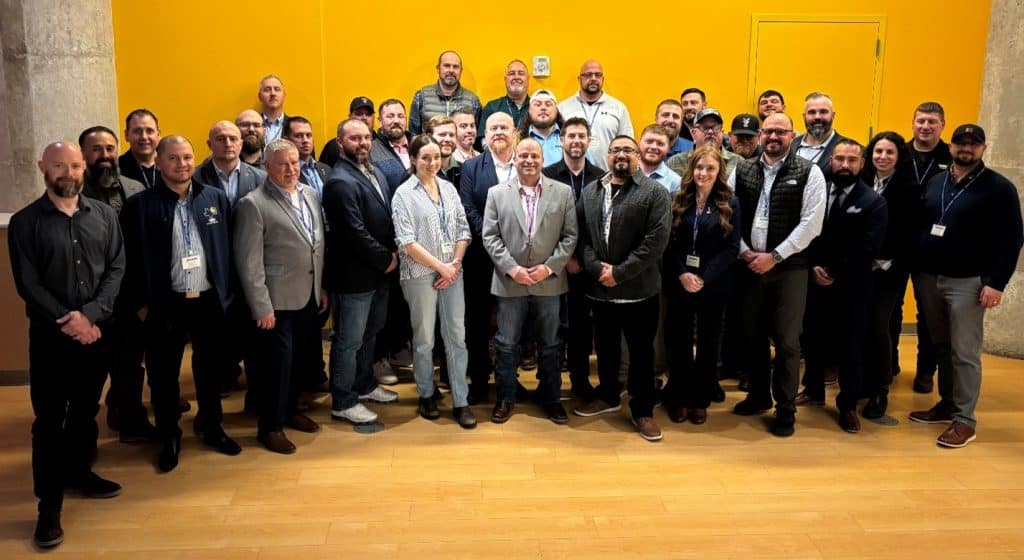
Organizing I participants

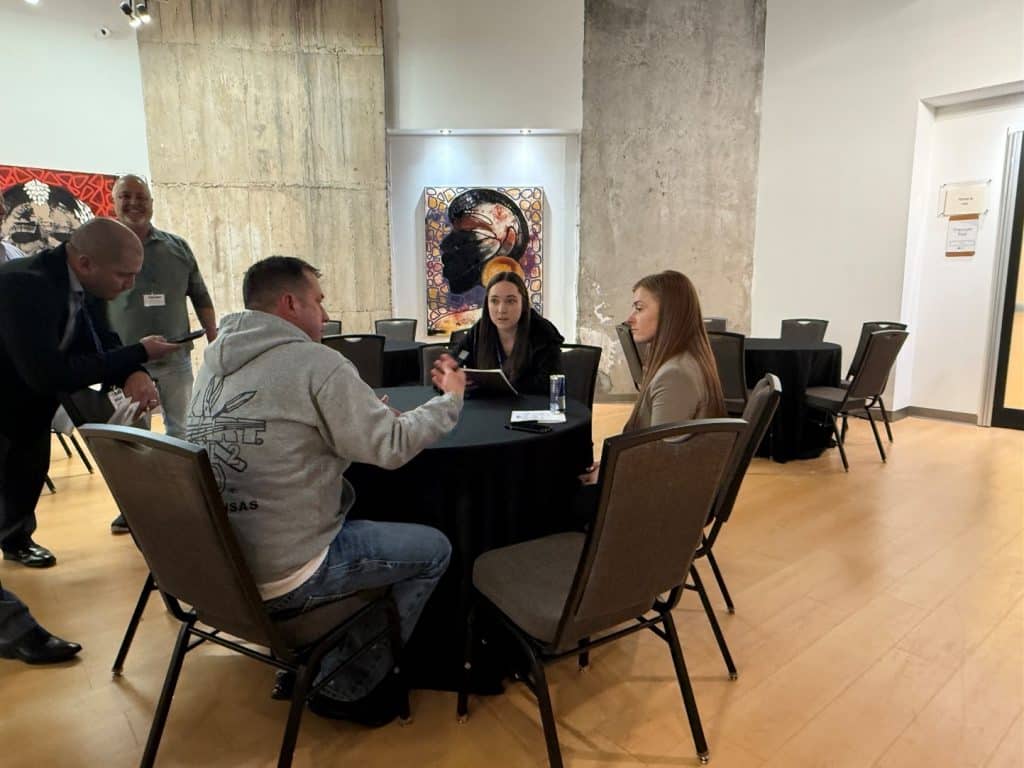
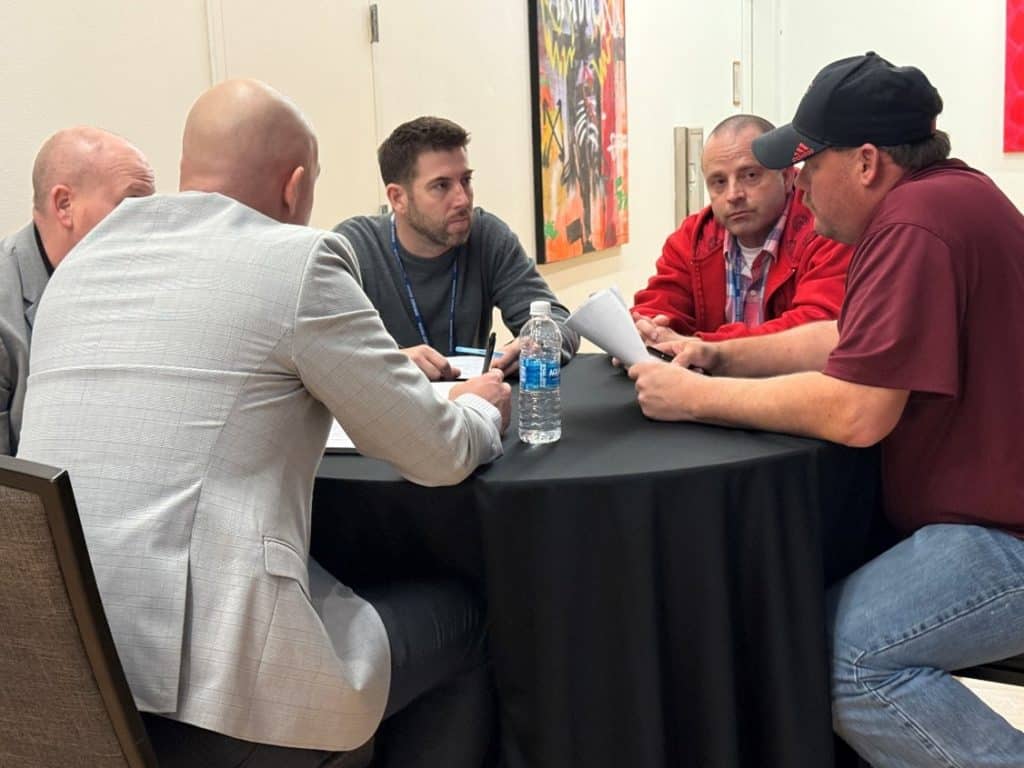
SMART members traveled to Dallas, Texas, approximately one month later to attend the Education Department’s Organizing I class during the week of February 10. The class, completely redesigned for 2025, focused on developing practical competency in the skills and process required to successfully facilitate “bottom-up” organizing campaigns: equipping organizers with the ability to help workers unionize their workplaces and join SMART.

Throughout the week, participants worked in small “local” teams in a comprehensive enactment that mimicked a bottom-up campaign. Each group worked as an organizing team and role-played the workers at two fictional companies — Alpha and Beta Sheet Metal — based on character backgrounds provided for the simulation.

Organizing will be crucial to our union in the months and years ahead, and attendees approached the class with an appropriate level of intensity.

“Participants were genuinely engaged in the simulation and were observed organizing each other after hours, on their own time,” Mangelsdorf remarked. “Everyone did a fantastic job working with their groups and playing their parts.”