From The Craftsman, the official publication of SMART Local 20 (Indiana)

Joseph B. Thurmond, a longtime Indianapolis SMART member, spent his career paving the way for all of us today. Joe joined Local 20 in 1941, work­ing for two years before being drafted into the military. He had the honor of serving two years in the 94th Infan­try Division under General Patton.

In 1944, the 94th Infantry landed in France and immediately got to work containing a staggering 60,000 German troops. After that success, the division pushed deeper into Europe, carrying out multiple military operations until the war ended in the mid-1940s. Joseph later joined the liberation forces in Czechoslovakia, helping secure liberated areas and working to restore order in the region.
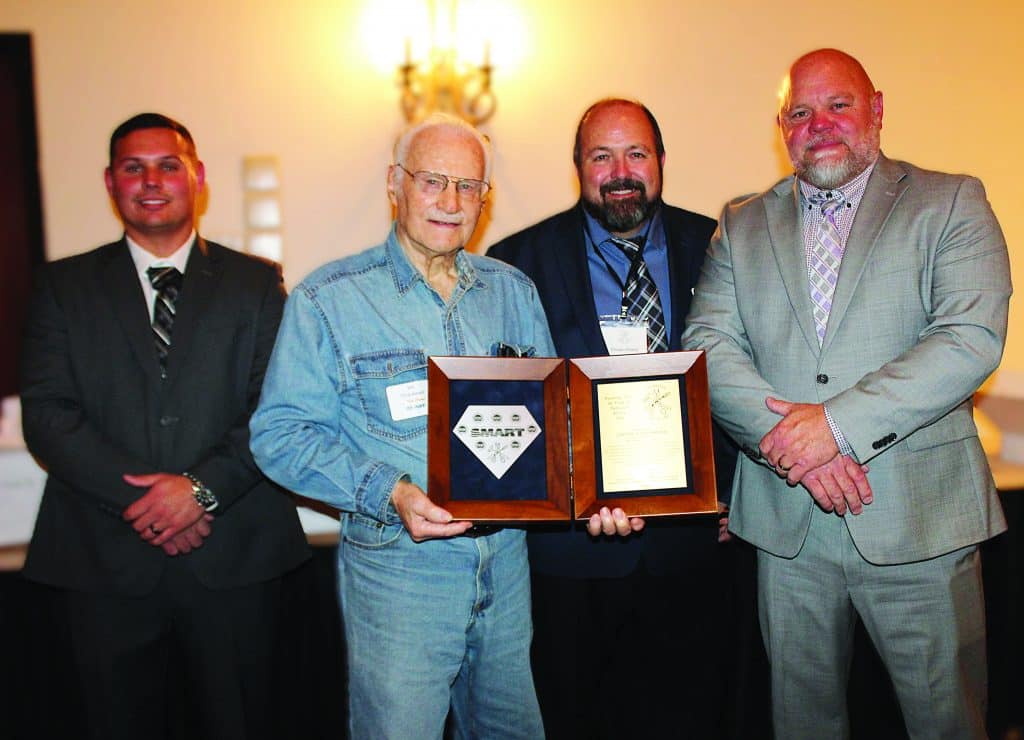
Pictured, left to right: Business Representative Brad Hayes, Joseph B. Thurmond, Business Representative Shawn Reels and Business Manager/ Financial Secretary-Treasurer Trent Todd

When he returned home, Joe went right back to work as a sheet metal worker, dedicating another 44 years to the trade. He did a little bit of everything but found a special talent and enjoyment in interior metal panel work and acoustic panel installations. Throughout his career, Joe passed down invaluable knowledge to apprentices and fellow journeypersons, but what he valued most was a solid work ethic.

That work ethic started young, splitting wood with his dad and uncles. When asked what advice he’d give to young tradespeople today, Joe kept it simple: “Work hard. If you are working and being paid for eight hours, then give eight good hours of work.” He believes the strongest attribute of a successful sheet metal worker is a solid work ethic, something that’s hard to teach but essential to learn.

Hard work has never been a stranger to Joe. At 99 and a half years old, he still enjoys splitting wood almost daily for his fireplace. His life is full of inspirational moments, but one achievement stands out: Joe recently received recognition for maintaining 84 consecutive years of membership in good standing with Local 20.

To put that in perspective, the year Joe joined our union was the same year M&M’s hit the market, aerosol spray cans were invented, and the first fully program­mable computer was developed. Today, Joe is the second-oldest member in the country and holds the longest continuous membership in good standing of anyone nationwide, truly a one-of-a-kind distinction.
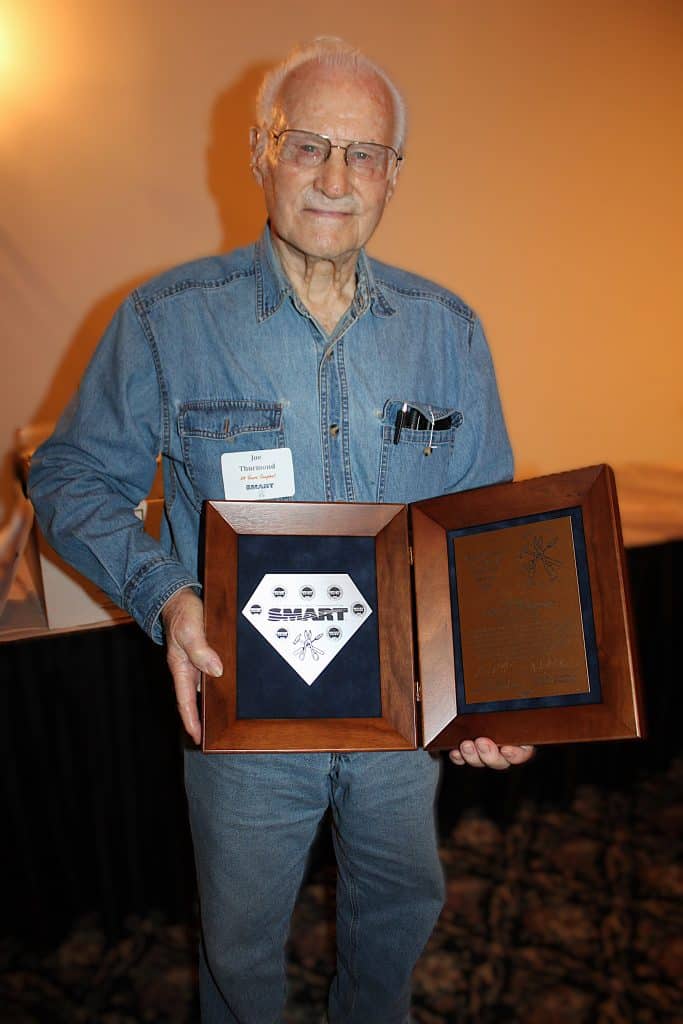
Of course, we could talk about his bravery during the war or his love of drag racing his Chrysler New Yorker, but we felt highlighting his record-setting member­ship was something every member could relate to and respect. His story is proof that the long days in the heat and brutal days in the cold are stepping stones toward a hard-earned and rewarding retirement.

Joe has been retired since 1988, enjoying an impressive 38 years of retirement. We hope this story can inspire young members in the trade today. We thank Joe for his unwavering support, his decades of mentorship and the priceless knowledge he’s shared. He is a shining example of the kind of union member we should all strive to be. We wish him many more years of well-deserved retirement and good health, and we’re honored to share his story with the membership.
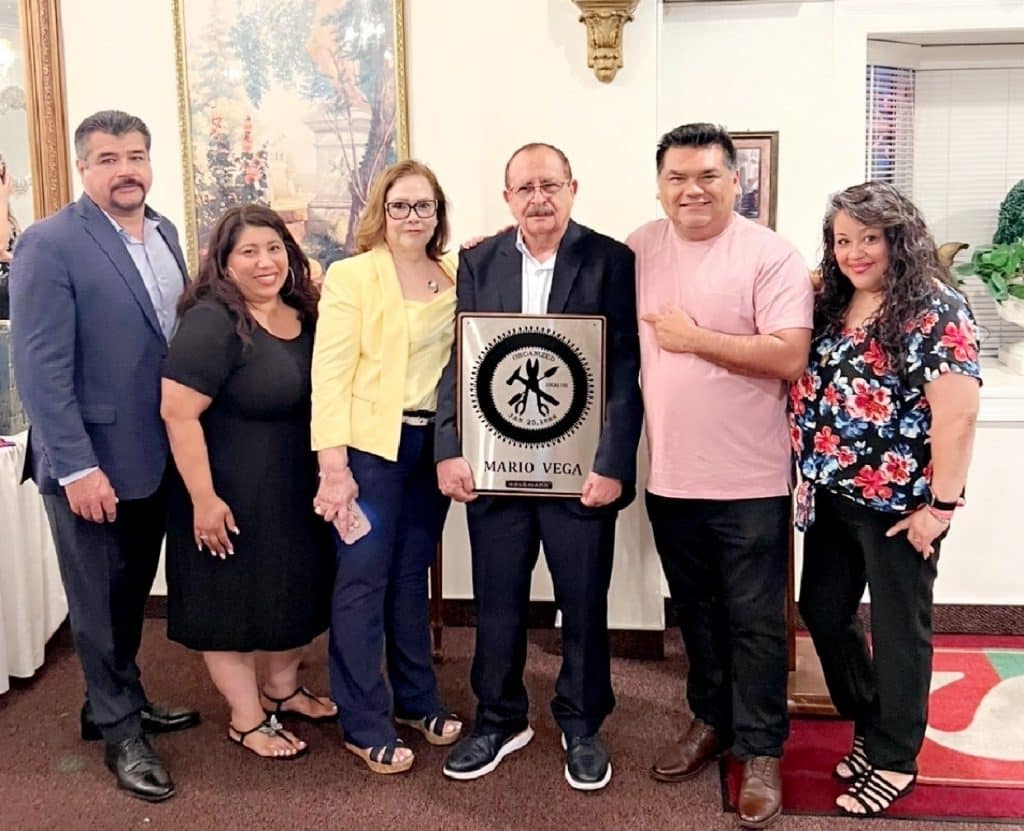
In the summer of 2025, SMART Local 170 (Pico Rivera, California) recognized and celebrated the incredible career and lasting impact of Mario A. Vega, who retired after 42 years of dedication to SMART as a member, leader and strong advocate for the union­ized production and manufacturing industry.

Left to right: SMART Regional Organizing Director Manuel Gonzalez, Local 170 Dues Administrator Vanessa Medina, Maria Vega, retired Local 170 Business Manager Mario Vega, Local 170 Business Manager Roberto Torres-Muniz and Gloria Rodelo, Local 170 office manager

Brother Vega joined Local 170 in 1983. Two years later, he was appointed a shop steward at Simpson Strong Tie. His commitment soon earned him the trust of the membership, which elected him, in 1990, to both the Local 170 Executive Board and as a trustee of the Local 170 Group Insurance Benefits Trust.

On April 1, 2015, Vega became a Local 170 business representative, and after two years, he was elected to serve as the local’s business manager and financial secretary-treasurer. From then until his retirement, Brother Vega devoted himself to organizing, advo­cating and empowering his union brothers and sisters as business manager. His leadership helped secure fair wages, strong benefits and dignity on the job for count­less members.

Throughout his career, Vega has been more than a leader in our union. He has been a mentor, a friend and a source of inspiration. His contributions have shaped not only our organization but also the lives of countless colleagues and workers in the production industry.

“As Mario moves into this well-earned chapter of his life, we want to thank him for all he has given and wish him and his wife, Maria, health, joy, relaxation and new adventures in retirement,” the local wrote. “Congratulations, Mario! You have truly made the differ­ence at SMART Local 170 — and you will be deeply missed. On behalf of the entire local, we sincerely congratulate you on your retirement. Your contributions have been invaluable, and your legacy will endure in the history of our organization.”

Members of Local 296 in Sas­katchewan are in a period of stability and opportunity, supported by steady construction activity across the province and a significant milestone recently achieved for the trade.

Contractors are reporting a mix of commercial, industrial and maintenance work, creating consis­tent employment opportunities and allowing companies to plan years ahead. With projects already being bid on for 2027 and beyond, Business Manager TJ King says the outlook is strong.

“We’re not just in a good spot, we are in a great spot with steady work,” said King. “We aren’t in a boom-or-bust mentality, and stability is what matters most for our members.”

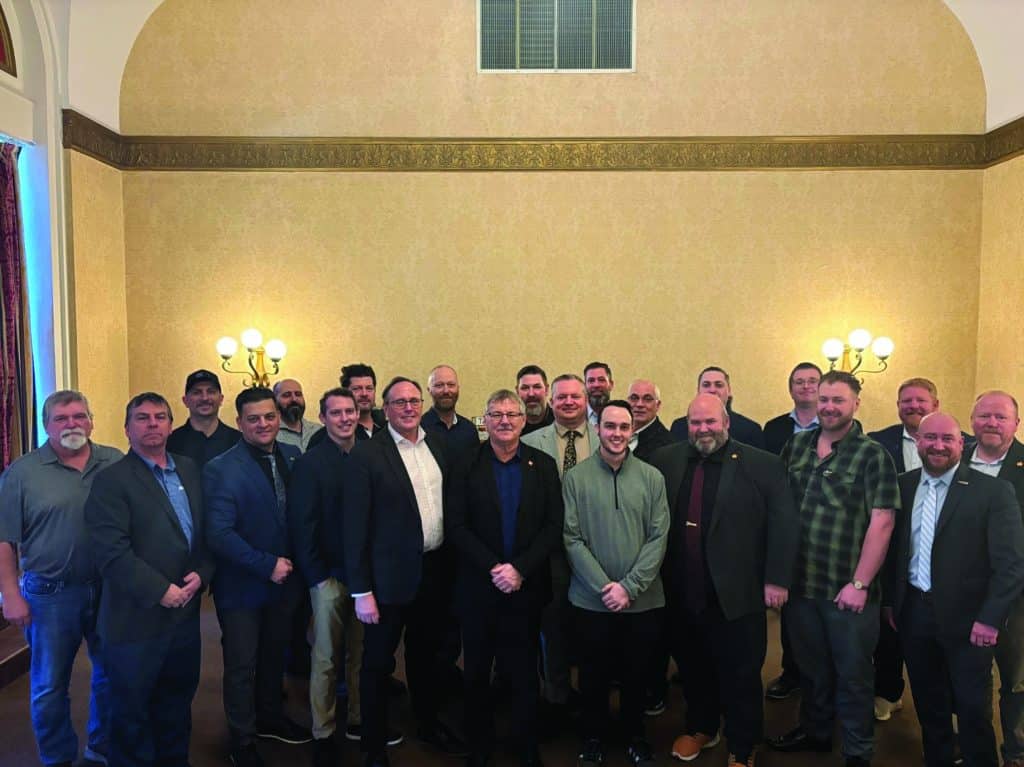
Director of Canadian Affairs Jack Wall with members of the Western Conference, including the Conference Recording Secretary and Local 296 Business Manager TJ King

Megaprojects across the province are driving demand for Local 296’s skilled workforce. Among them is the $9 billion Phase 2 expansion of the BHP Jansen Potash Mine, along with new schools, power plants, hospitals, uranium mining developments and long-term care homes. Upcoming projects in Saskatchewan’s nuclear sector are also expected to generate work well into the next decade.

With opportunity comes the need for preparation. King says members who take the initiative to pursue additional training and certifica­tions will be best positioned to take advantage of the work ahead.

“There are a lot of opportunities here,” King said. “Preparation is what separates those who will get the opportunities, those willing to go out, obtain the required certifications and keep themselves at the highest level of skill.”

The local is also focused on strengthening its membership through organizing efforts, new initiatives and outreach to bring more workers into the trade. King says that growth must be inclusive.

“If we want women to stay and advance in our trade, we need spaces where their voices are heard and supported,” he said. For that reason, the local is starting a women’s committee to help ensure women have a dedicated forum to connect, raise concerns and support one another in the trade.

Another major milestone for Saskatchewan’s sheet metal workers is the official designa­tion of Architectural Sheet Metal (ASM) as a recognized sub-trade, a development more than 14 years in the making. Previously performed without a formal training pathway or certification, this work now has a clear and recognized structure along with a trade designation.

This change will provide roughly 200 members with formal recog­nition for the skills they’ve been practicing and the opportunity to obtain official certification in their field.

For King, the achievement reflects the local’s commitment to strength­ening the trade while preparing members for the future.

“We are focused on stability, oppor­tunities and growth for tomorrow, in an effort to set up our members for long, successful careers.”

Local 9 (Colorado) member Jacob Stone recently completed his appren­ticeship capstone assignment in impressive fashion, crafting a custom copper lantern featuring acid etching and intricate design work.

“The craftsmanship speaks for itself,” Local 9 wrote. “Beyond the shop, Jacob also serves as a sergeant in the U.S. Army Reserves, balancing mili­tary service with apprenticeship training — an incredible commitment that deserves recognition.”

Great work, brother!

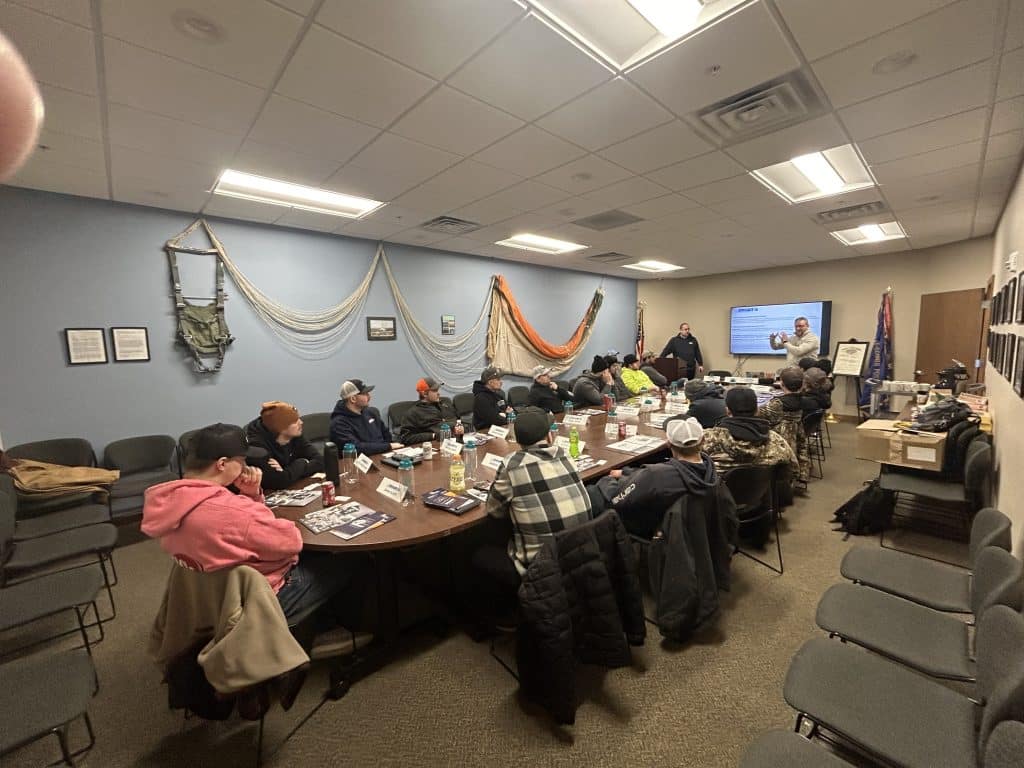
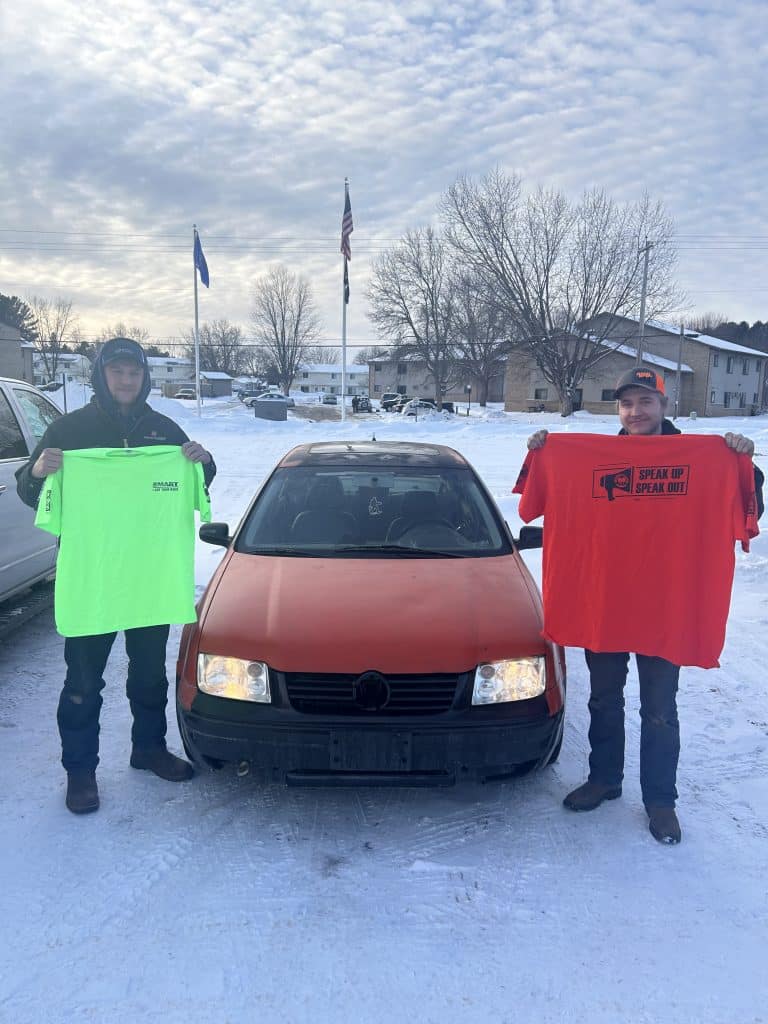
Second-, third- and fourth-year apprentices braved the Wisconsin winter cold to attend Local 18’s Wausau-area Construction Organizing Mem­bership Education Training (COMET) classes in January.

Local 18’s COMET class aims to get members involved early in their careers, teaching them about the labor movement, the benefits available to them through their union and their collectively bargained contracts, and much more. As former Local 18 Organizing Director Hallie Jennerman wrote in 2024, the local’s COMET curriculum is intended “to forge growth in our membership through organizing, growth in our markets, growth in our benefits through additional hours worked, and to give those behind us a future by creating engaged, active members who will carry our union forward and organize all unrepresented sheet metal workers.”

In January 2026, Local 18 apprentices learned together and strengthened their bonds of union solidarity — despite the -10 degree temperature on the day of the class.

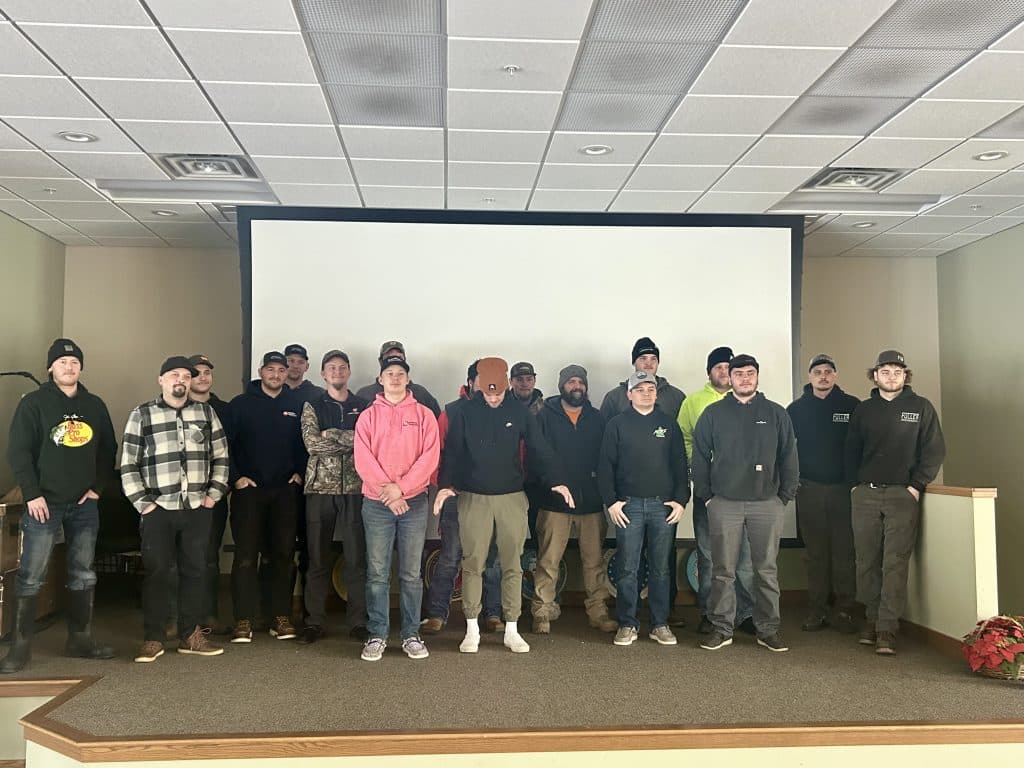
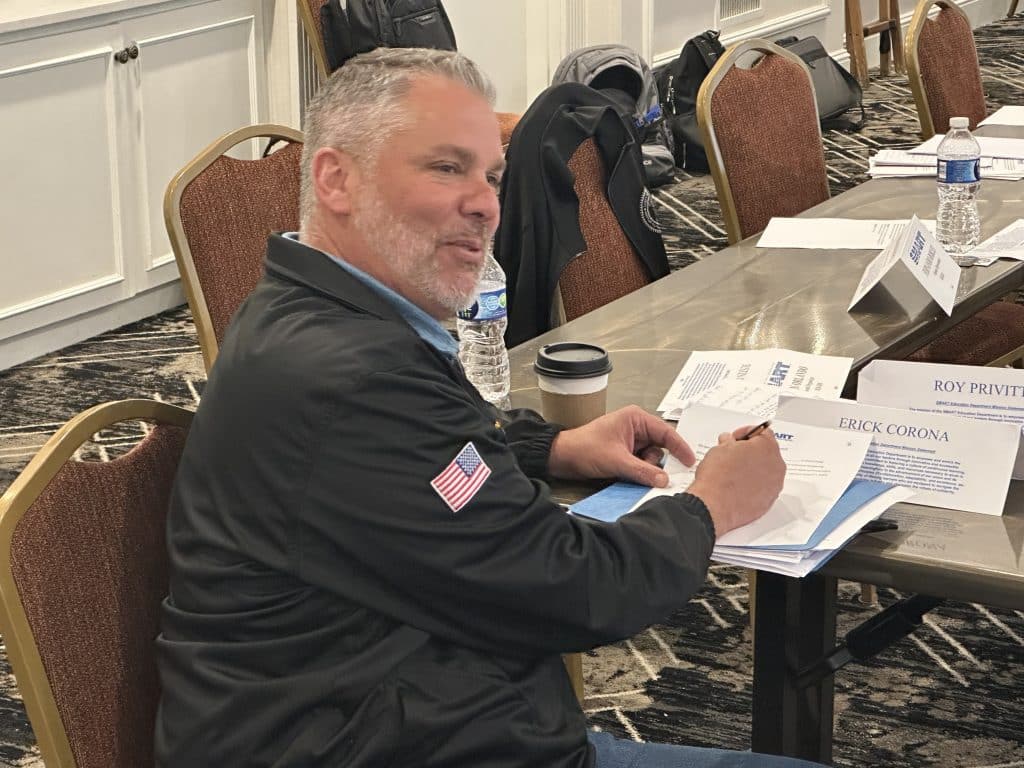
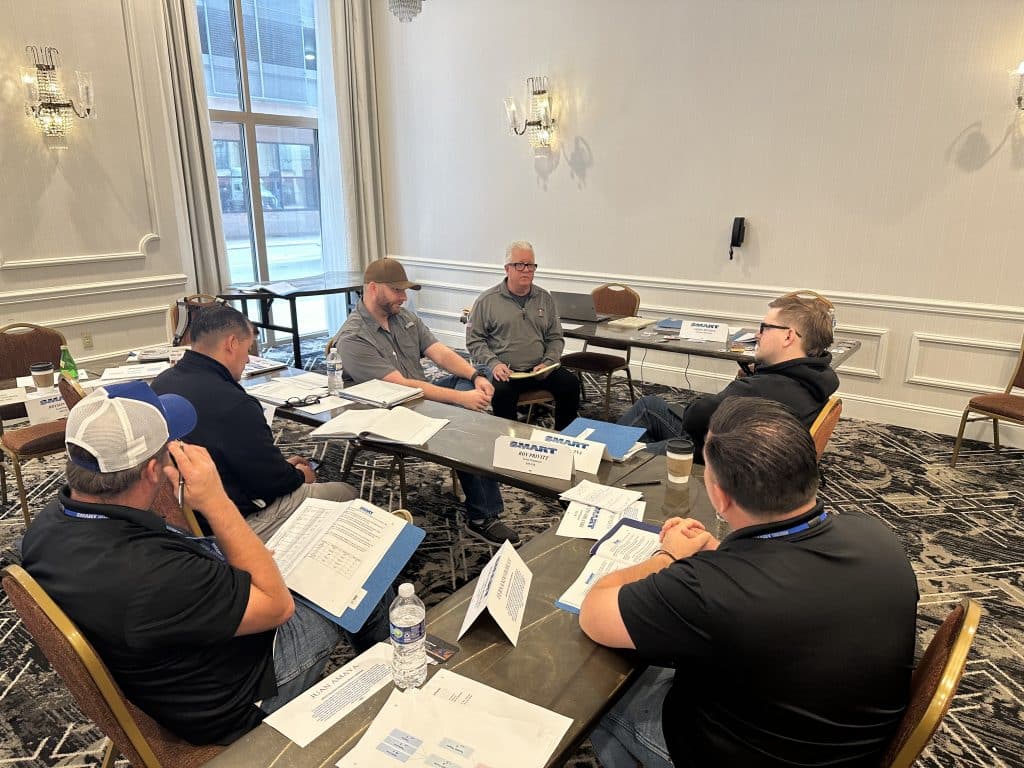
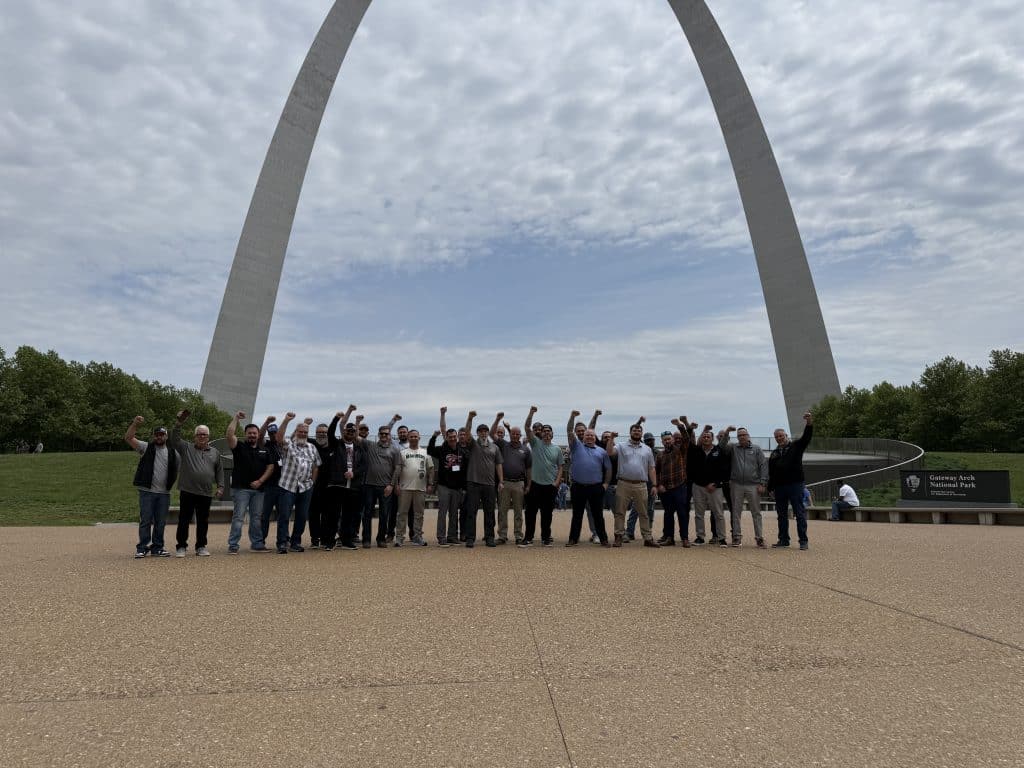
The SMART Education Department, in collaboration with the Organizing Department, held its Top-Down Organizing class the week of May 4 – 8, 2026, in St. Louis.

Nonunion contractors across North America stand ready to benefit from the union advantage — top-notch training, reliability and a skilled workforce. But whether it’s because they’re misinformed or just not aware of the union difference, these contractors have yet to partner with SMART. That’s what made the Education Department’s May class so important: Bringing together union leaders from across North America, the course focused on developing “top-down” organizing campaigns that target nonunion contractors.  

Participants learned to find nonunion contractors in their local’s jurisdiction using SICs (Standard Industrial Codes) and turned their lists into maps and routes using Google Maps. The main instruction in the class centered around what contractors need to succeed and how our locals are built to fulfill that primary need: a flexible labor force. Participants delved deep into a contractor’s mindset to understand their perspectives on the challenges of running a construction company, learning how to reframe common objections to unionization as benefits of unionization.

Attendees roleplayed interactions with the gatekeeper, delivering a custom-built elevator pitch, first meetings and subsequent meetings with the contractors. There were nearly 20 exercises throughout the week, many of them involving peer evaluations/ranking and group evaluations/rankings. After mock exercises, participants debriefed with critical feedback to their peers.  

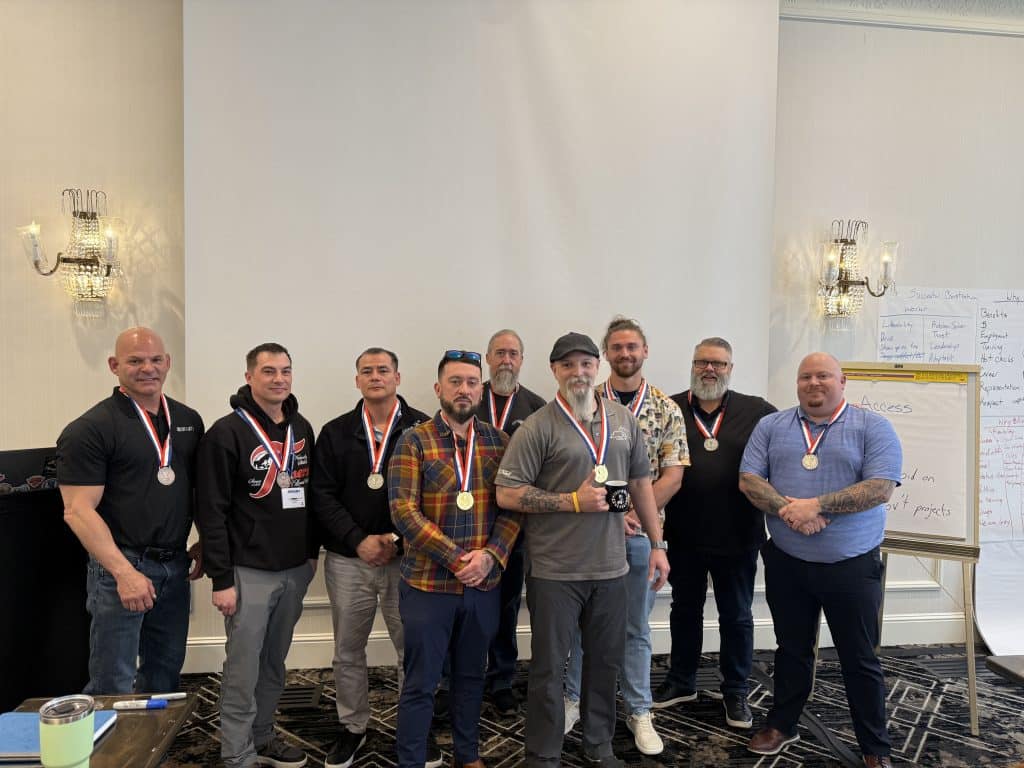
“Local 6” — Greg Goble (Local 27), Alex Lorenzo (Local 66) and Jared Starling (Local 399) — was ranked in third place by their peers. “Local 5” — Paul Conners (Local 17), Juan Amaya (Local 28) and Jeff Hollinsworth (Local 104) — was ranked in second place. “Local 8” — Fernando Robles (Local 28), Bryson Riker (Local 66) and Jeremy Waugh (Local 110) — was recognized by peers as the best group in the class.

“Congratulations to Jeremy Waugh, the highest point winner in the top group, for winning the coveted ‘Coffee is for Closers’ coffee cup!” said SMART Director of Education Eli Baccus. “We hope this class spurs participants’ top-down organizing efforts, and that more contractors are brought in for more work opportunities for our members.”

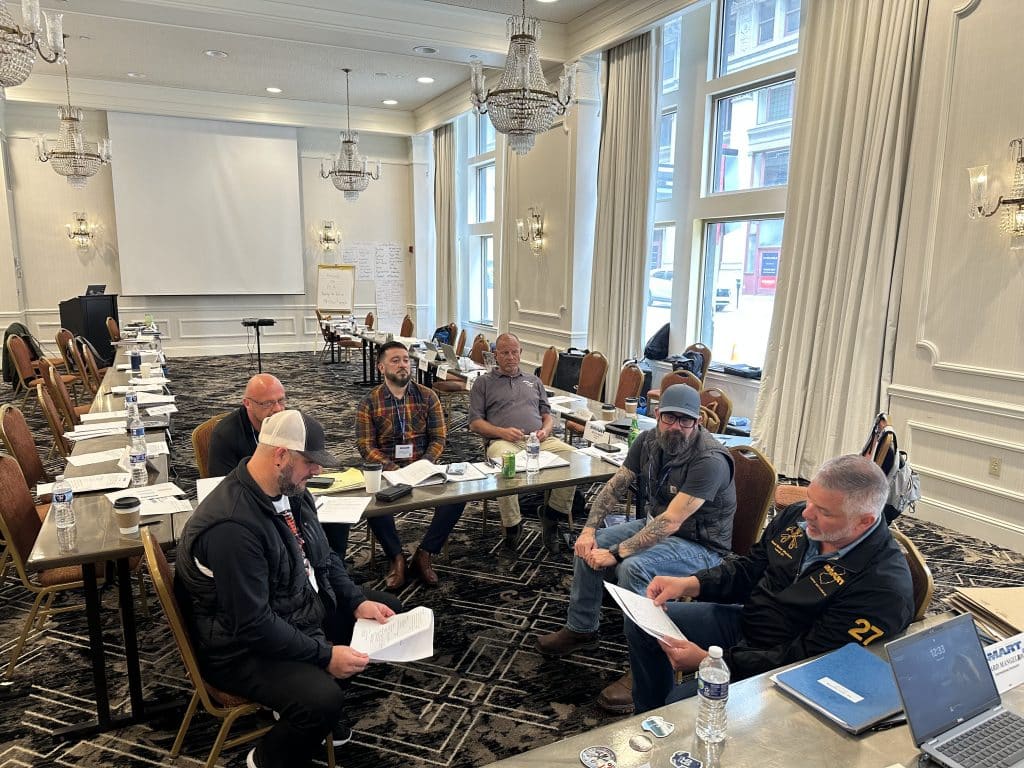
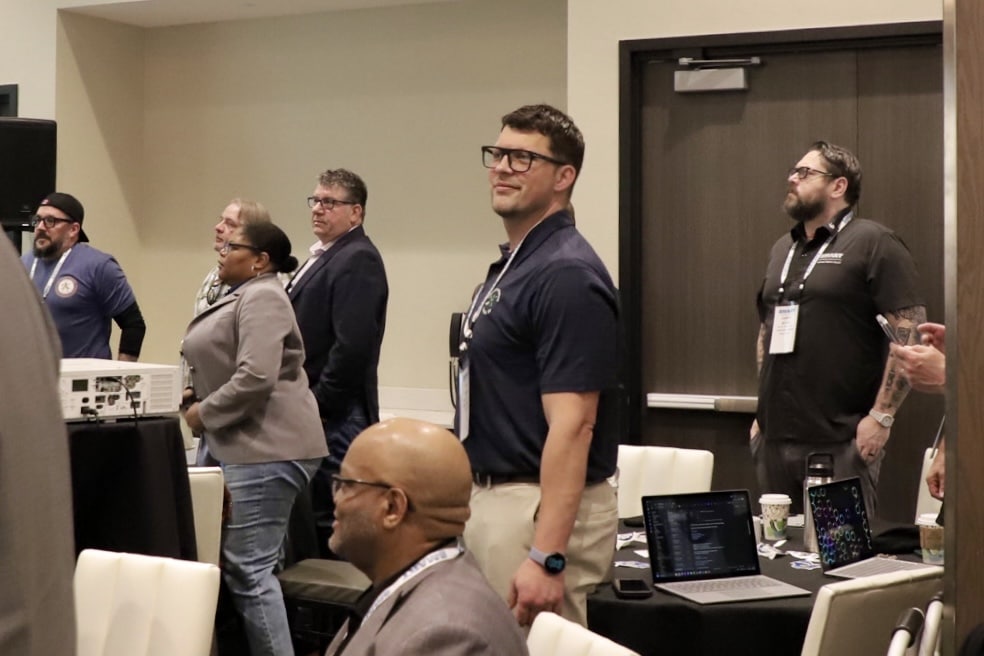
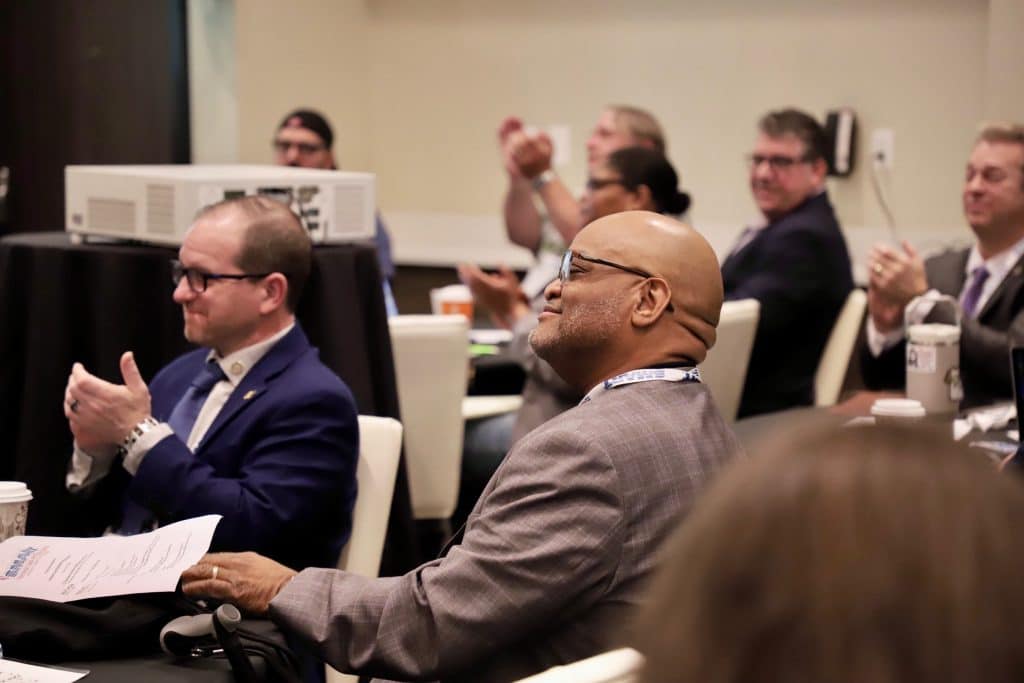
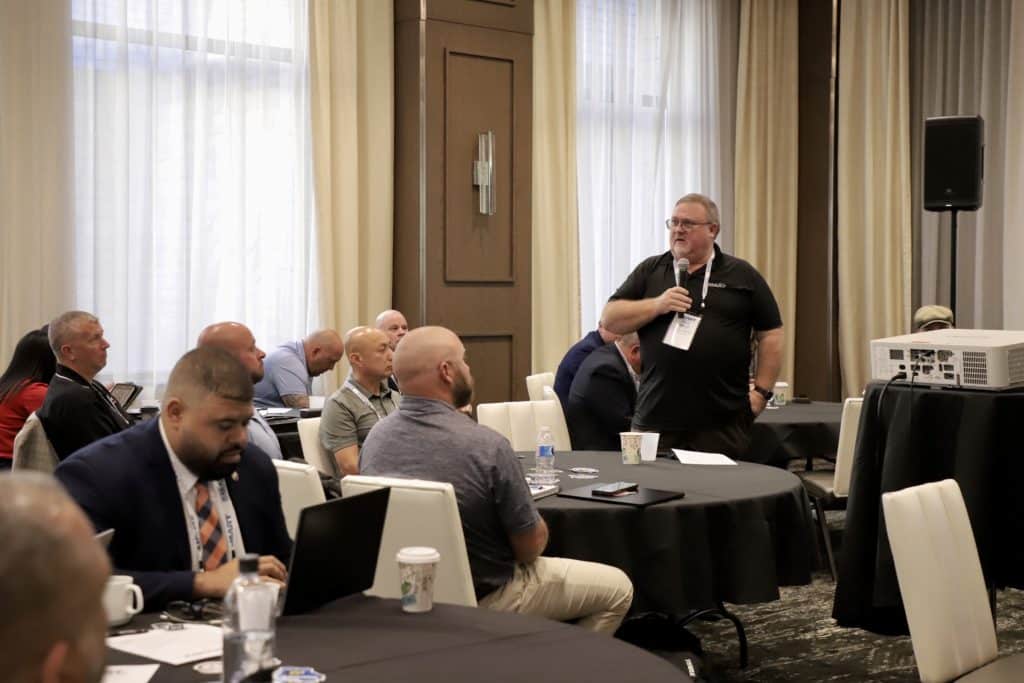
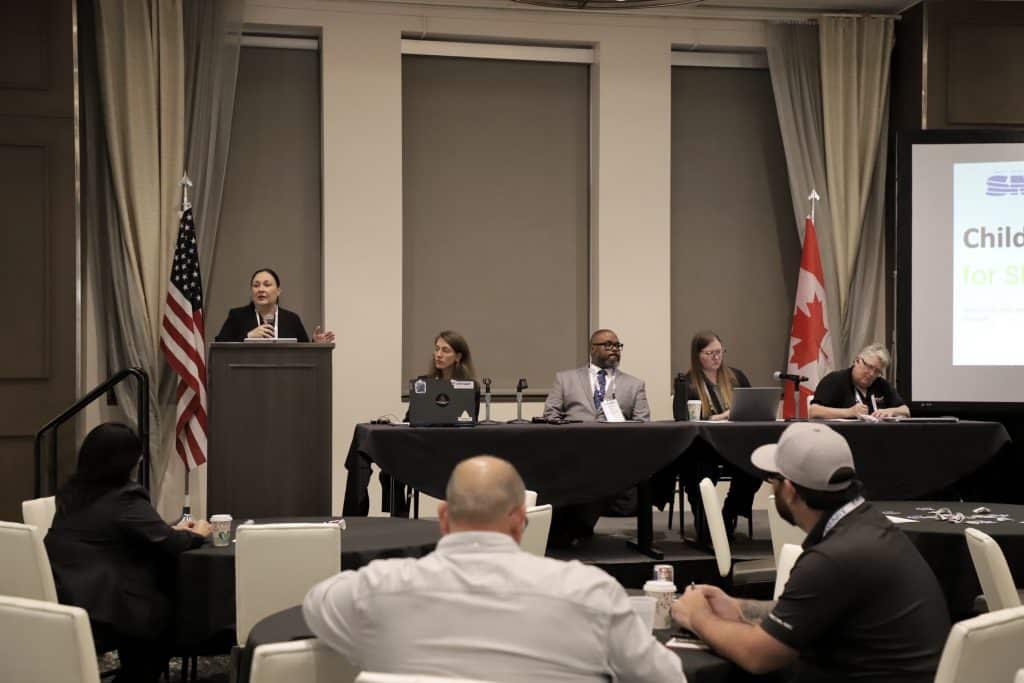
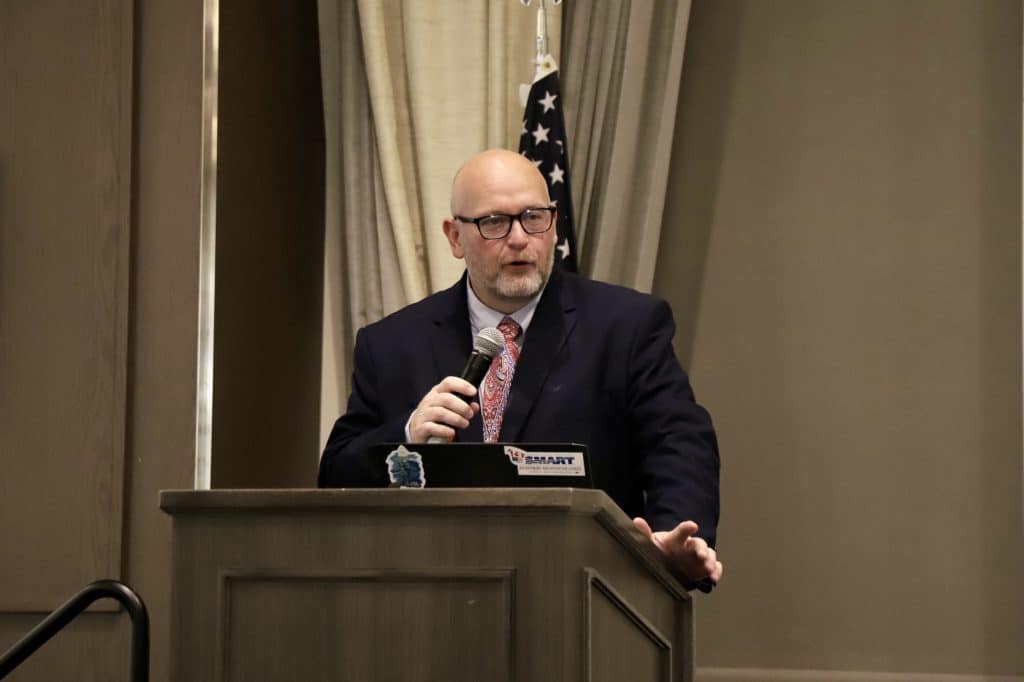
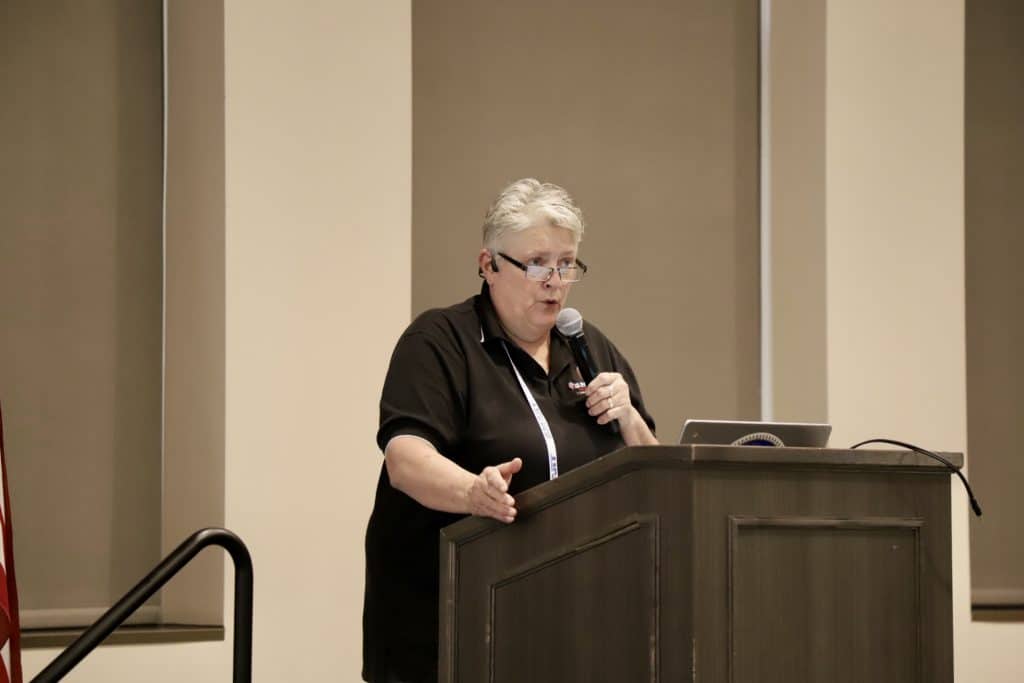
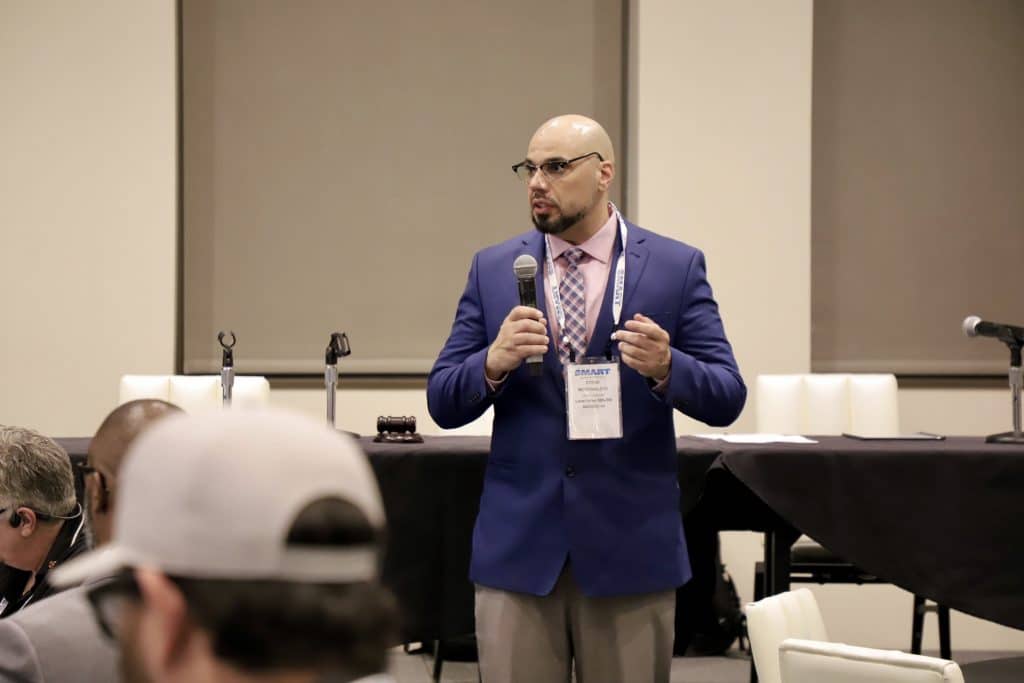
Pittsburgh welcomed SMART leaders, staff and members as the Recruitment and Retention Council kicked off the first day of the Three-Pack Attack — the three-day meeting of the Recruitment and Retention, Production and Sign, and Roofing and Building Enclosure Councils.

The day opened with a welcome from Geoff Foringer, Local 12 business manager, who greeted attendees on behalf of the host city. Foringer highlighted Pittsburgh’s deep cultural roots, proud sports tradition and important place in the history of the American labor movement.

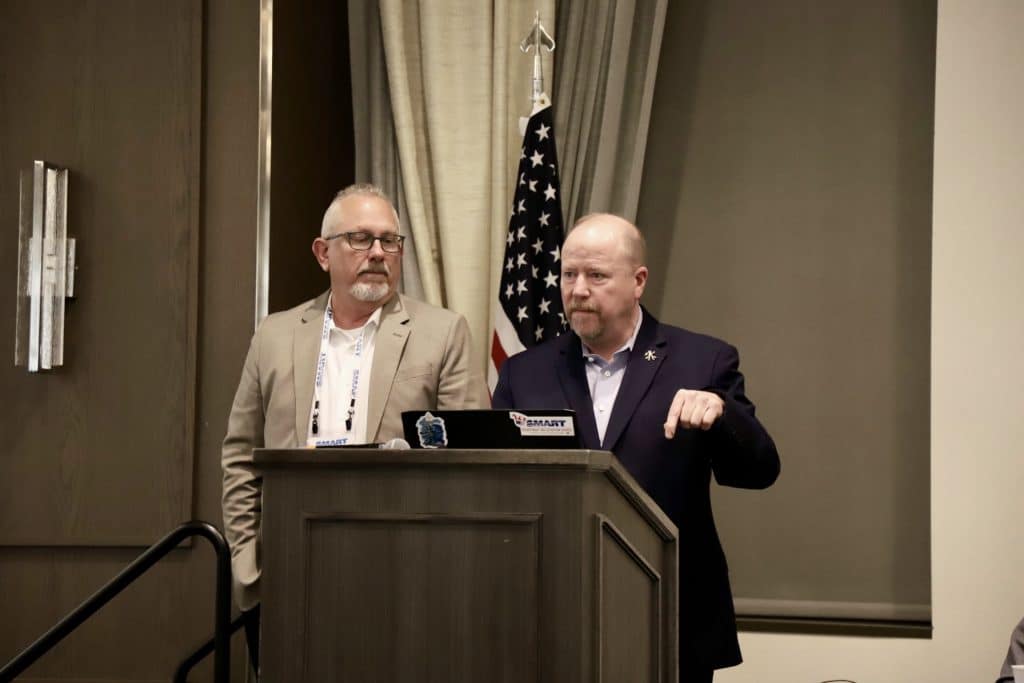
Opening remarks followed from Tom Wiant and Lance Deyette, SMART assistants to the general president. They discussed new SMART International initiatives underway across the the United States and Canada, emphasizing the importance SMART leadership places on hearing directly from local leaders and members. That feedback, they noted, is essential as our union continues working to improve the lives of SMART members and their families.

The meeting featured a full slate of presentations focused on organizing, member support, recruitment and retention. Jason Benson, SMART director of organizing, shared updates on SMART’s organizing priorities and ongoing efforts to grow our union.

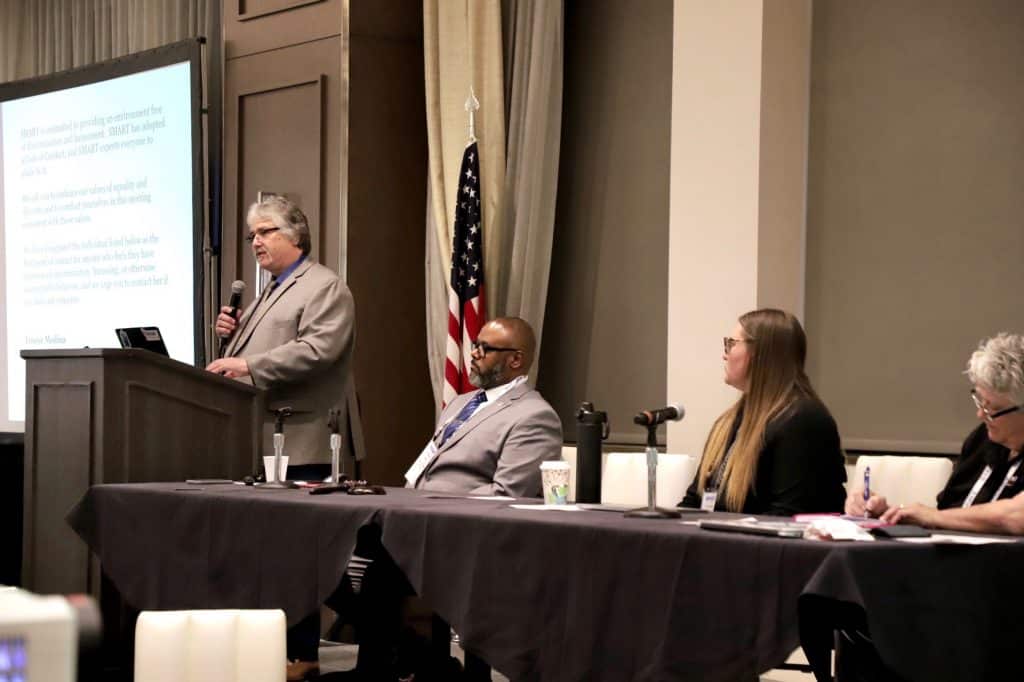
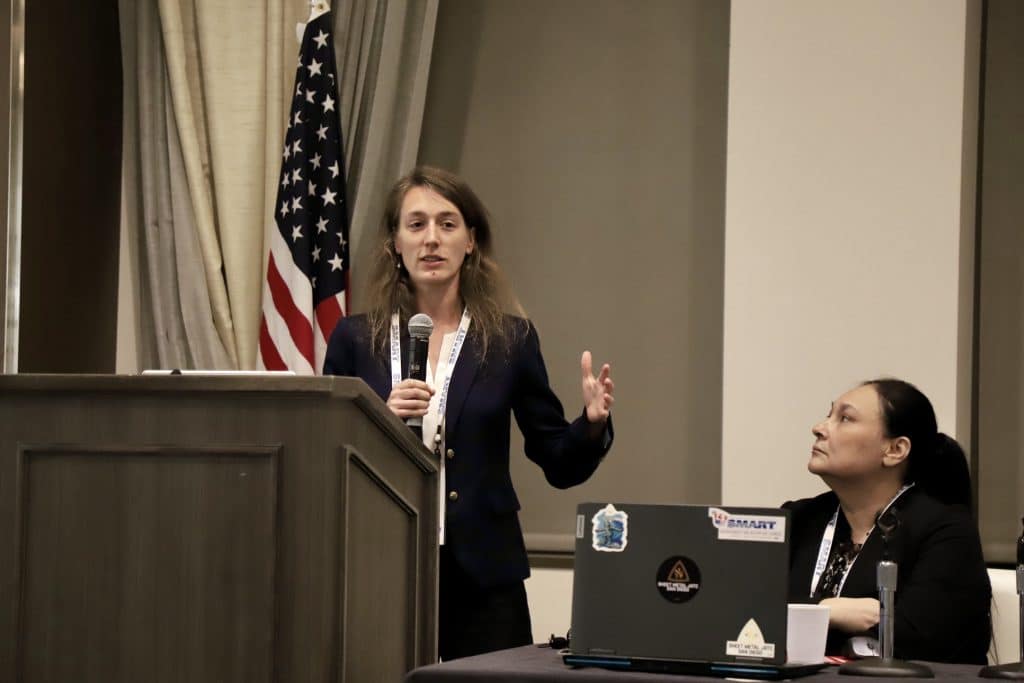
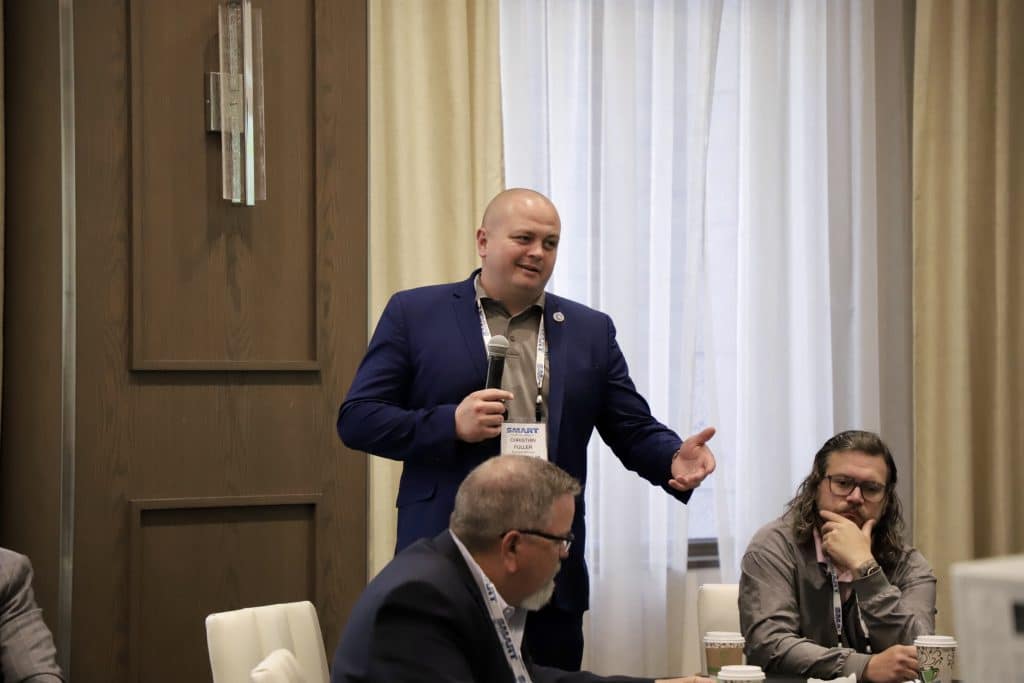
That was followed by a presentation on new developments in SMART’s child care partnership with TOOTRiS, led by Louise Medina, director of special projects, and Tiffany Finck-Hayes, governmental affairs representative. SMART General Vice President and Local 85 (Atlanta) Business Manager Steve Langley, along with Local 5 (East Tennessee) Business Manager Christian Fuller, also discussed how their locals are using child care support to make the trade more accessible to new recruits — and to help keep members in the industry.

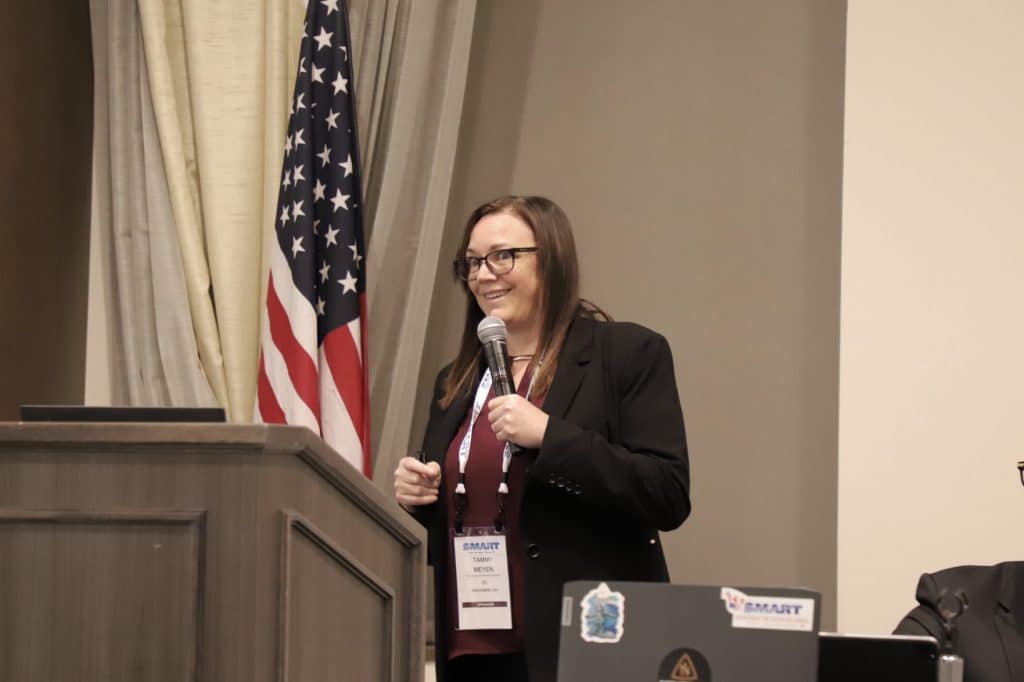
The morning wrapped up with a presentation on how the International Training Institute is supporting recruitment and retention efforts, as well as the work of the RISE Committee. The presentation was delivered by Tammy Meyen, ITI field staff — recruitment and retention specialist, and Dale Clark, RISE Committee chair and ITI OSHA specialist.

In the afternoon, the council turned its focus to workplace protections, workforce development and practical recruitment tools. David Ortiz-Whittingham, construction organizer with Worker Justice, presented on protecting immigrants at work and in the community, taking questions from attendees on a range of issues impacting immigrant workers and their families.

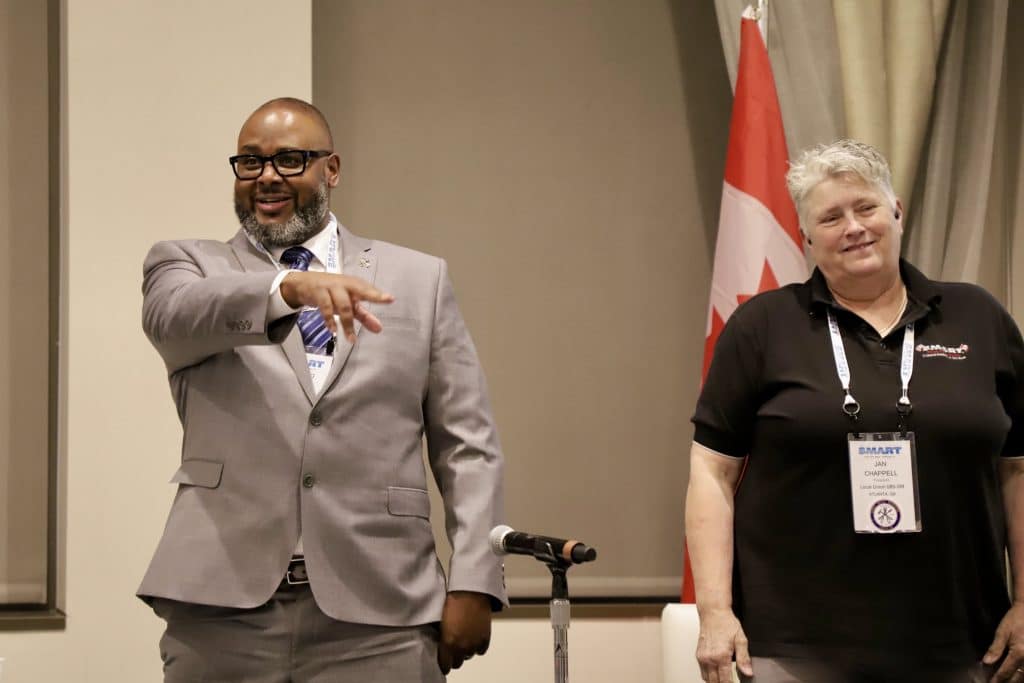
The session also included a BE4ALL Toolbox Talk led by Jan Chappell, Recruitment and Retention Council recording secretary.

All told, the day’s agenda reflected SMART’s continued commitment to organizing, supporting members, strengthening local unions and building real pathways into the trade. From child care and worker protections to recruitment tools and workforce partnerships, the first day in Pittsburgh centered one shared goal: expanding opportunity for current and future SMART members.

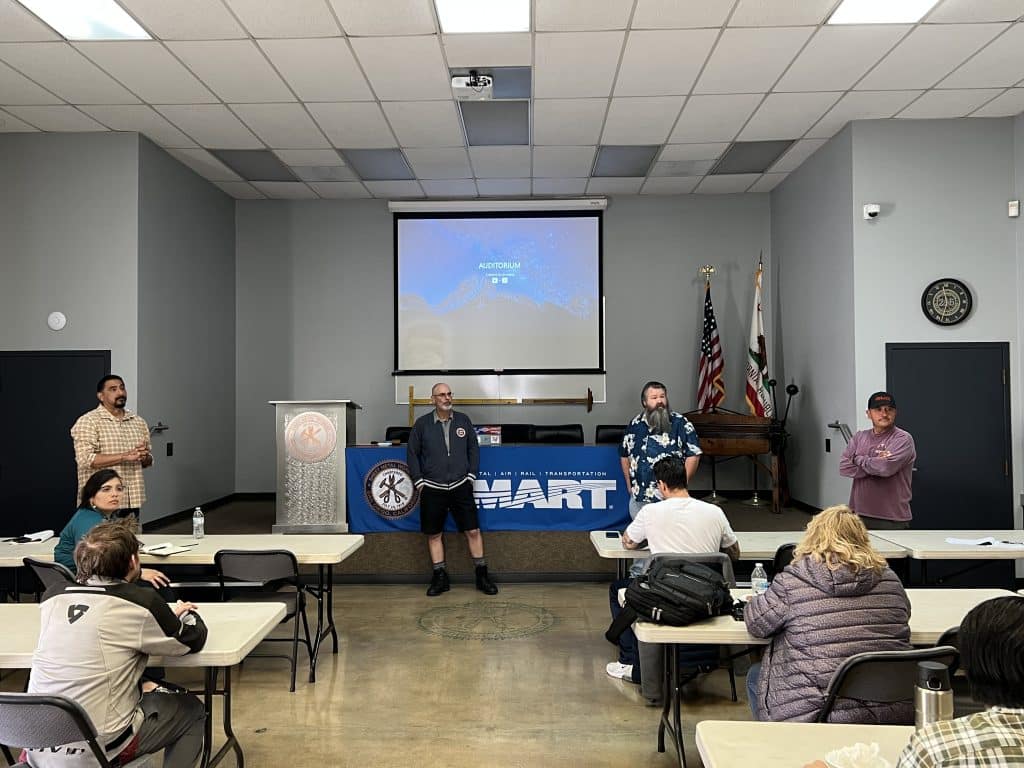
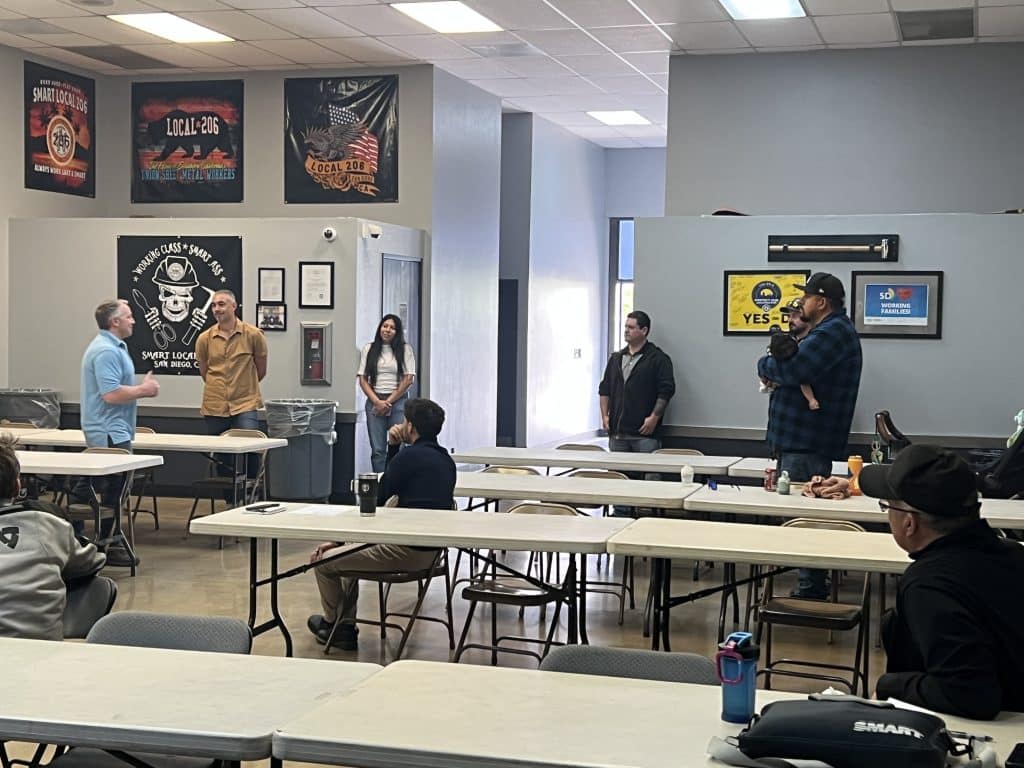
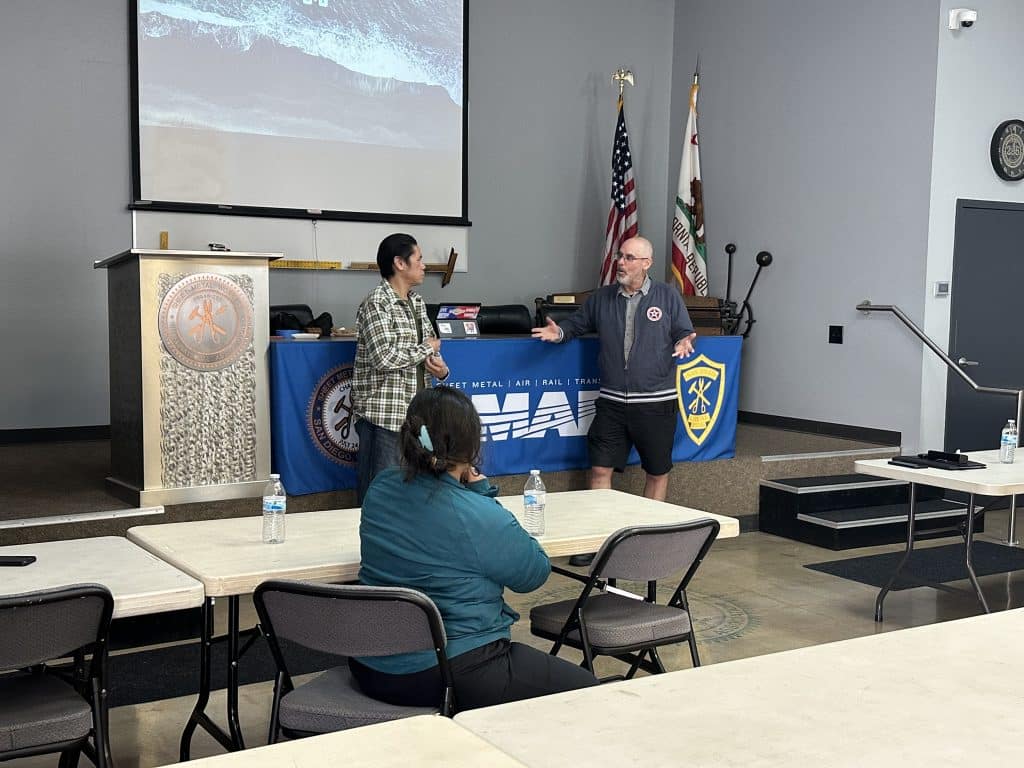
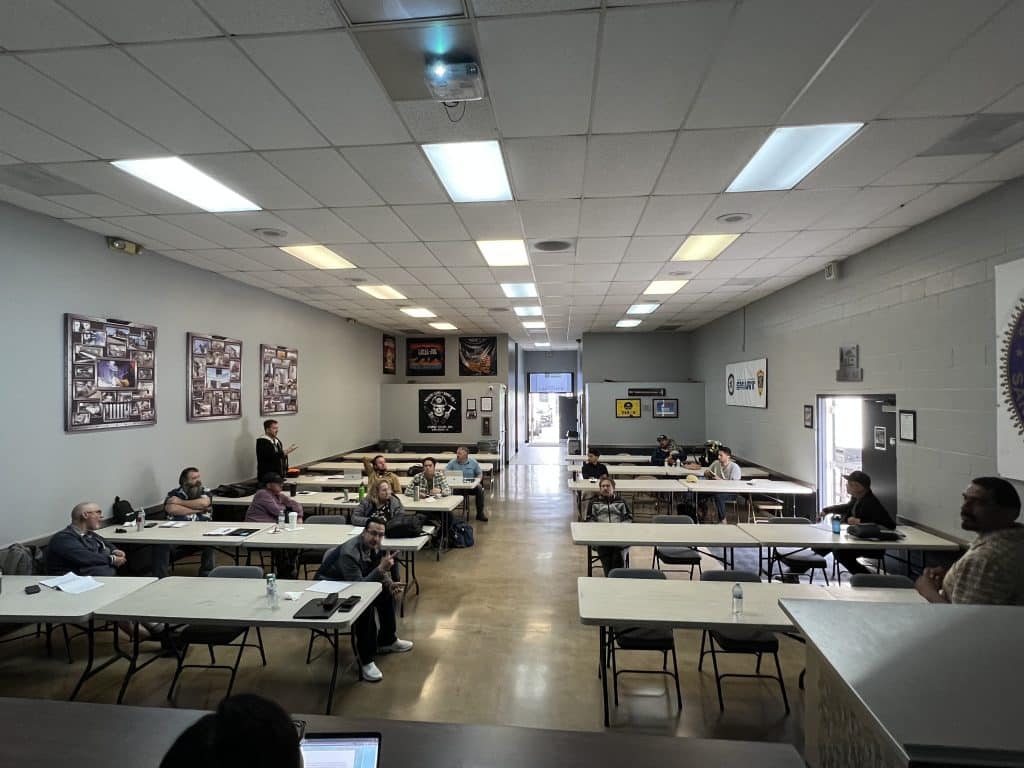
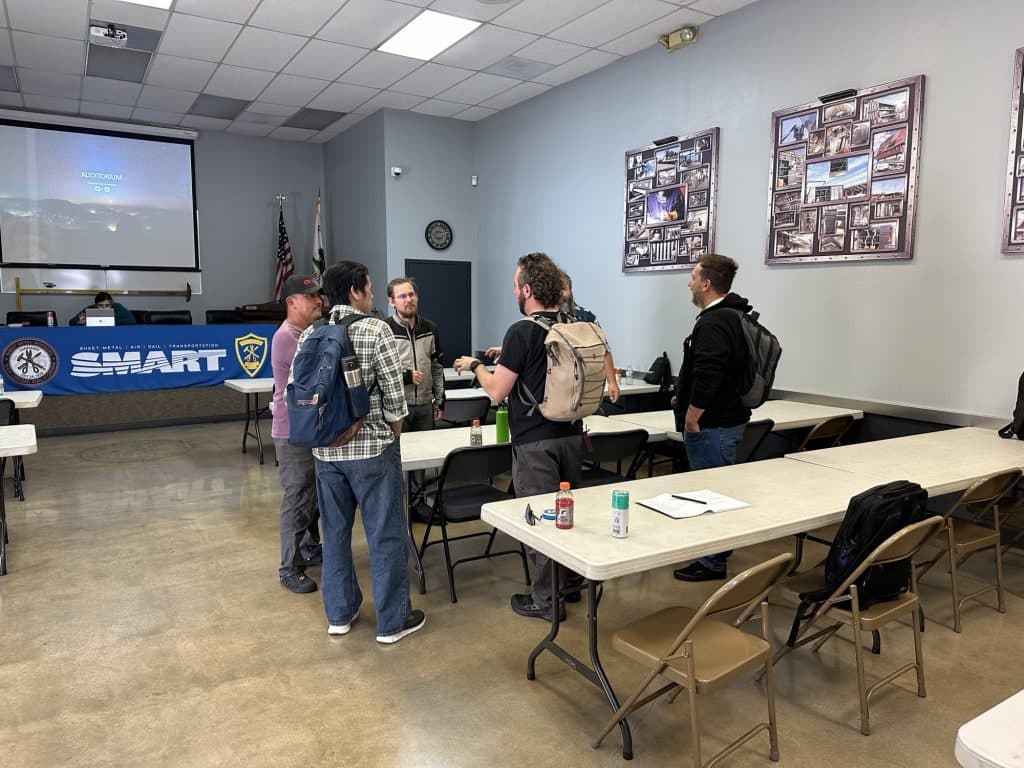
SMART Local 398 members from San Diego Metropolitan Transit System (MTS) and North County Transit District (NCTD) came together in February and April 2026 for two impactful rounds of training designed to educate, empower and build stronger connections within their workplace and across San Diego County transit employers.

Local 398 members on NCTD operate commuter trains, dispatch trains, perform security work to ensure passengers can take public transit safely, and clean and maintain NCTD train stations and facilities. Members on MTS perform light rail vehicle overhauls and repairs, inspect and repair catenary lines, track maintenance, cleaning and maintenance of MTS train stations and facilities, operation of light rail vehicles, clerical work, warehouse material handling and logistics, as well as maintenance and repair of transit fare machines.

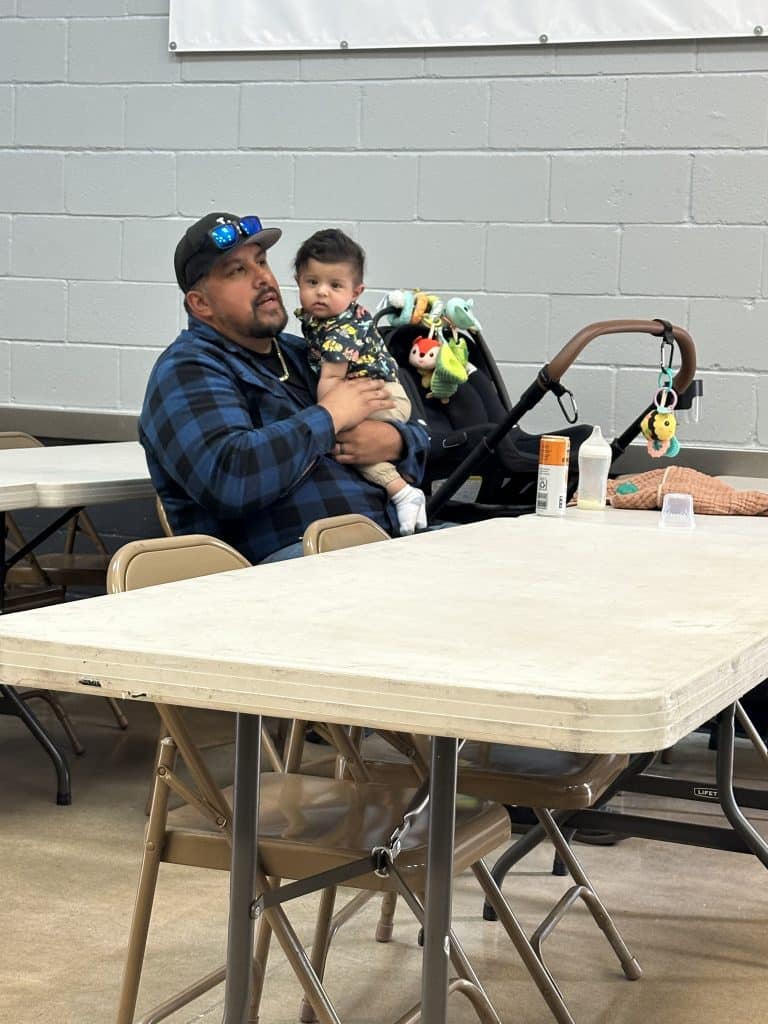
Workers at both transit systems operate across San Diego County but rarely — if ever — interact. With these training sessions, SMART brought members a valuable opportunity to exchange ideas, compare best practices and build a unified approach to common workplace issues. Participants engaged in hands-on learning, open discussions and strategy sessions aimed at strengthening both individual capability and collective voice.

“If we want stronger membership, we need stronger connections. This training is helping build those needed connections,” said Local 398 MTS Maintenance of Way Department worker Rene Fuentevilla. 

Local 398 MTS Light Rail Vehicle Department worker Scott Wildhaber agreed.

“The training sessions reminded me that no matter where we come from or what department or transit agency we work for, a lot of us are dealing with the same workplace issues and want the same things: respect, fairness and a voice on the job,” he said.

The first session, held on February 26, laid the groundwork by focusing on core knowledge, shared challenges and the importance of collaboration. A second, more advanced training followed on April 30, reinforcing those lessons with hands-on learning while deepening relationships among the participants. Both sessions were held at SMART Local 206’s McClees Hall.

Beyond the technical and professional development, the training confirmed that many of the challenges facing transit workers are not isolated, but shared across agencies, regions and operating models.

Notably, the training was developed and led by representatives from two distinct departments —the SMART Railroad, Mechanical and Engineering (RME) and the Production Workers Departments — each with different day-to-day functions but facing many of the same workplace challenges. By working together to design and deliver the program, these departments demonstrated how diverse roles within SMART can align around the shared goals of solidarity, bringing respect to and empowering workers. The collaboration not only strengthened the content of the training, but also intentionally exposed participants to the breadth of skills, perspectives and experiences across SMART — underscoring both the diversity and solidarity that define their union.

“Much thanks goes to SMART’s Director of Production Workers Dave Goodspeed and International Organizers Laura Nunez and Julian Posadas for their leadership and collaboration in building and delivering this training,” said SMART RME Department Director Peter Kennedy. “Your commitment made it possible to bring MTS and NCTD workers together, strengthen our knowledge, and move forward with a stronger shared purpose. We also want to thank Dave Gauthier and Local 206 for their unwavering support of the members of SMART Local 398, as they make our training possible with their facilities.”

There are many traits that make the union trades the gold standard in the construction industry. But the most defining characteristics are, without a doubt:

  1. the solidarity that defines the labor movement, and
  2. the top-notch training and skill that union workers bring to the workplace.

For SMART sheet metal workers, union solidarity and union craftsmanship go hand-in-hand. SMART Local 36 proved that with its work to rebuild the roof of the Missouri Historical Society Library and Research Center.

A historic disaster

In May 2025, St. Louis experienced its first deadly tornado since 1959.

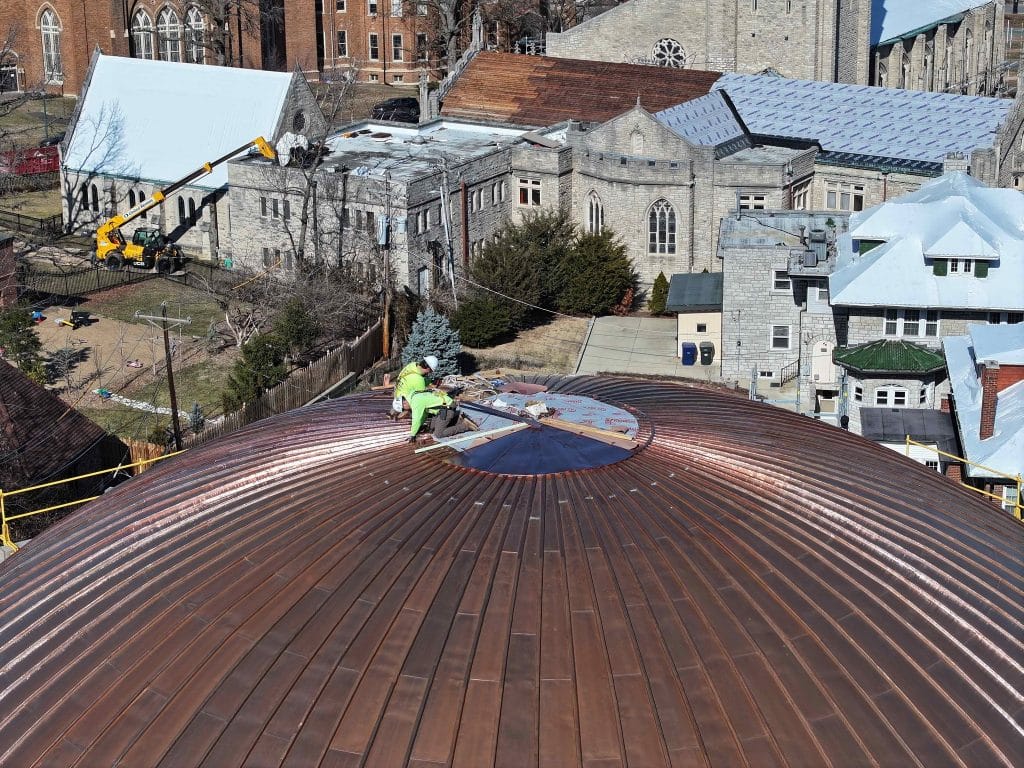
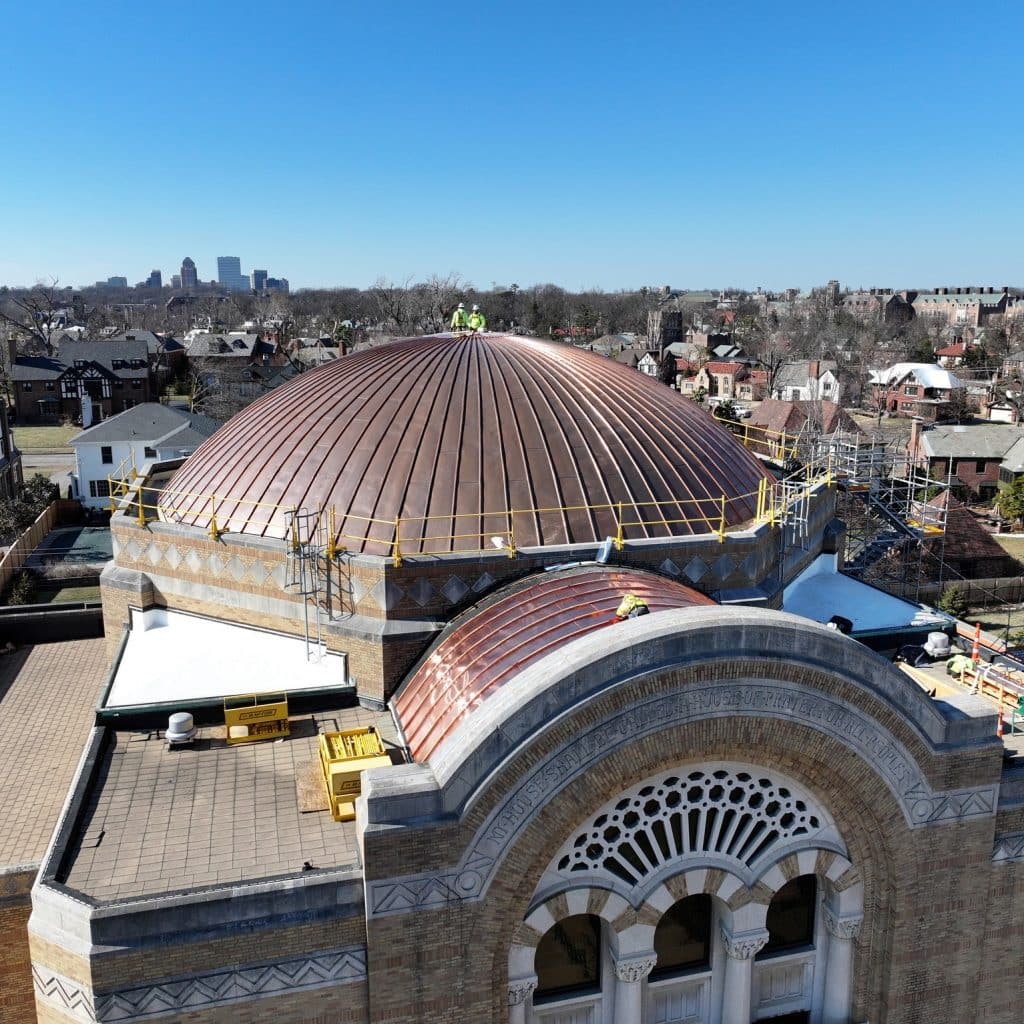
For 27 minutes, the tornado tracked across more than 20 miles of Greater St. Louis, leaving devastation and destruction in its wake. Five people were killed, with an estimated $1.6 billion in property damage spanning 5,000 structures. One of those structures was the Missouri Historical Society Library and Research Center, particularly its exterior and distinctive domed copper roof.

The Library and Research Center features a large collection of Thomas Jefferson papers, one million photographs and prints, video and audio recordings, artifacts related to Lewis and Clark, and much more. Together, the copper dome and barreled roof were a symbol of the Center itself: historic, artful and beautiful.  

And when it came time to rebuild this St. Louis-area staple, Local 36 and signatory contractor David Hyde & Associates were ready to step to the plate.

SMART craftsmanship on display

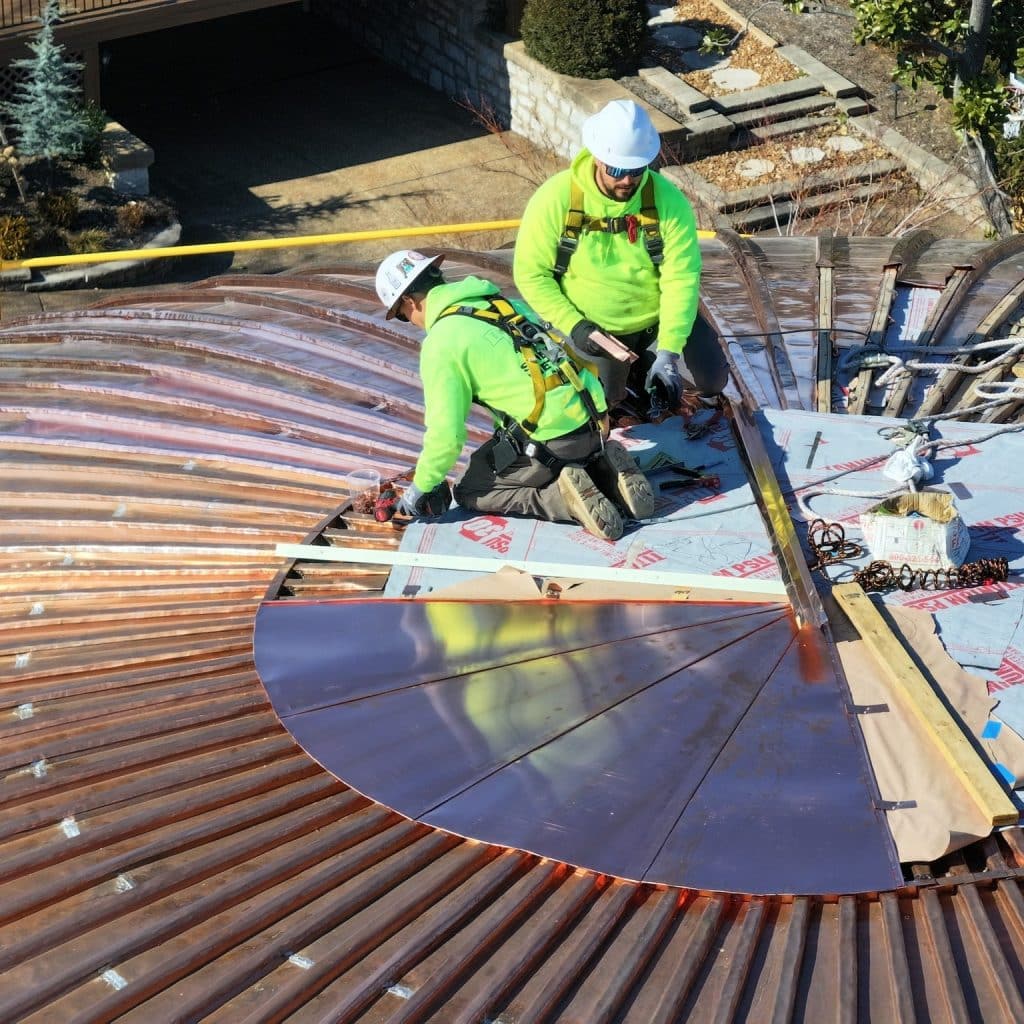
SMART architectural sheet metal workers brought the commitment and expertise that defines our union to the restoration project.  

“David Hyde & Associates (DH&A) and union craftsmanship are on full display fabricating and installing this copper dome and barrel roof,” Local 36 wrote on Facebook back in November 2025.

Specifically, members meticulously placed 88 rows of gleaming copper panels onto the domed roof, bringing a historic building — whose origins date back to 1927 — back to life.

That’s the role we play in our communities!

In April 2026, SMART announced a new benefit for union sheet metal workers and roofers across Canada: Enriched Academy, a financial literacy tool available to members for free.

SMART membership isn’t just about top-notch training, representation at work, collectively bargained contracts or pensions. It’s about what all of those things mean when combined. It’s about using our collective power and strength to give members the freedom to live free, full lives with their families.

That’s exactly why SMART Canada worked to offer members free access to Enriched Academy, said Director of Canadian Affairs Jack Wall.

“We find that in a lot of families today, if they’re not financially secure, they have stress. And stress evolves, brings other things down: their health, their mental health, their relationships, and so on and so forth,” he explained. “So what we’re looking to do here is, we’re looking to offer every member in Canada financial assistance.”

At a time when half of all Canadians admit to living paycheque to paycheque, that assistance is especially important. SMART members in Canada benefit from the strength of union collective bargaining agreements — but being empowered with the knowledge of how to manage their earnings is nearly as important.

Enriched Academy works with individuals and organizations across the country to provide Canadians with financial skills, knowledge and habits. For Canadian SMART members, that will take the form of online seminars, in-person seminars where Enriched Academy staff visits union halls, modules on managing day-to-day expenses, reducing debt, when and how to purchase a new car, and beyond.  

“We’re looking to, when [members] come to buy a new home, [for them] to be better prepared for a down payment on their home, be better prepared for their financial retirement, when the time comes,” Wall said. “So it’s going to come into play in many different ways.”

SMART Canada members are encouraged to take advantage of this opportunity to invest in their financial well-being by contacting their business manager today.