SMART-TD leaders, members and the public have been hit with a harsh reality. The Federal Railroad Administration is no longer on our side, and they aren’t even pretending to be a neutral party anymore.

They’ve picked a side, and they are 100% on team corporate railroads.

In the span of 48 hours in late April, the FRA dropped 11 final rules that make one thing clear: They are clearing the path for the railroads to do whatever they want, free of guidance and oversight, with hardly any consequences and even fewer workers.

You don’t need to read between the lines to see this reality. It isn’t subtle. FRA is telling SMART-TD and every railroader that the risk to your well-being is worth it for the carriers’ profit.

In fact, FRA Administrator David Fink said that he “want[s] to see the industry thrive,” and his method­ology for doing so is deregulation, noting during an April speech that “the previous administration, there wasn’t really that much done on the deregulatory side.”

Obviously, he plans to change that.

FRA administrator tells the world what he thinks

At a United States Department of Transportation (DOT) technology event hosted at DOT headquarters on Tuesday, April 28, Fink made it as clear as possible that the goal is to push new tech out “as soon as practical.” According to a report from Bloomberg, that includes autonomous railcars, additional AI monitoring of employees and systems designed to cut crews out of the picture altogether.

Fink, during his speech, specifi­cally pointed to Parallel Systems (a company actively working to operate freight trains without human crews) as the kind of inno­vation they want to move forward with. Interestingly, Parallel Systems’ testing of its technology and equip­ment was approved under the last administration. The difference, however, is that the approval came with conditional safeguards to keep the railroad system and the public safe.

This administration’s FRA is now working to reverse that.

Let’s connect the dots

They’re rolling back the rules that protect us while fast-tracking the tech­nology most likely to maximize profits.

That’s not a coincidence. That’s the plan.

The director and deputy director of SMART-TD’s National Safety and Legislative Department, Jared Cassity and Don Roach, were scheduled to be at the FRA’s technology demon­stration on April 28.

They didn’t go. After seeing what FRA pushed out as rulings in the days leading up to it, they made a point NOT to attend.

As Cassity said, “We aren’t going to be at a party celebrating the FRA’s new path and plan to eliminate our members’ safety, rights and ulti­mately their jobs.”

Roach and Cassity said they want to be clear about something: Their protest of the April 28 event wasn’t about being against technology.

It’s about what happens when you take trained railroaders out of the equation.

This job isn’t simple. It’s not predictable. It’s not something you hand off to a computer and walk away from. We move hazmat. We move heavy tonnage through cities, towns, crossings and yards every single day. Things go wrong.

Conditions change. Decisions have to be made in real time on the fly.

That’s what we do.

And now they want to strip that down while also weakening the federal regulations that are supposed to keep everything in check.

Reckless timing

On April 16, SMART-TD told rail members about a Cybersecurity Alert that we received from the FRA.

This warning was issued by the exact federal agency that stood before a microphone on April 28 and told the world that freight trains should rely on the systems most vulnerable to bad actors. It’s unfathomable that both of these statements came from the same place, 12 days apart from each other.

We’re in a world where cyber threats are real and getting worse. Systems get hacked. Networks go down. Bad actors look for ways to disrupt critical infrastructure.

And what’s the response from FRA?

Tie more of the operation to software, automation and remote systems. Allow the removal of the human beings who can actually respond when something breaks or intervene when systems get hacked.
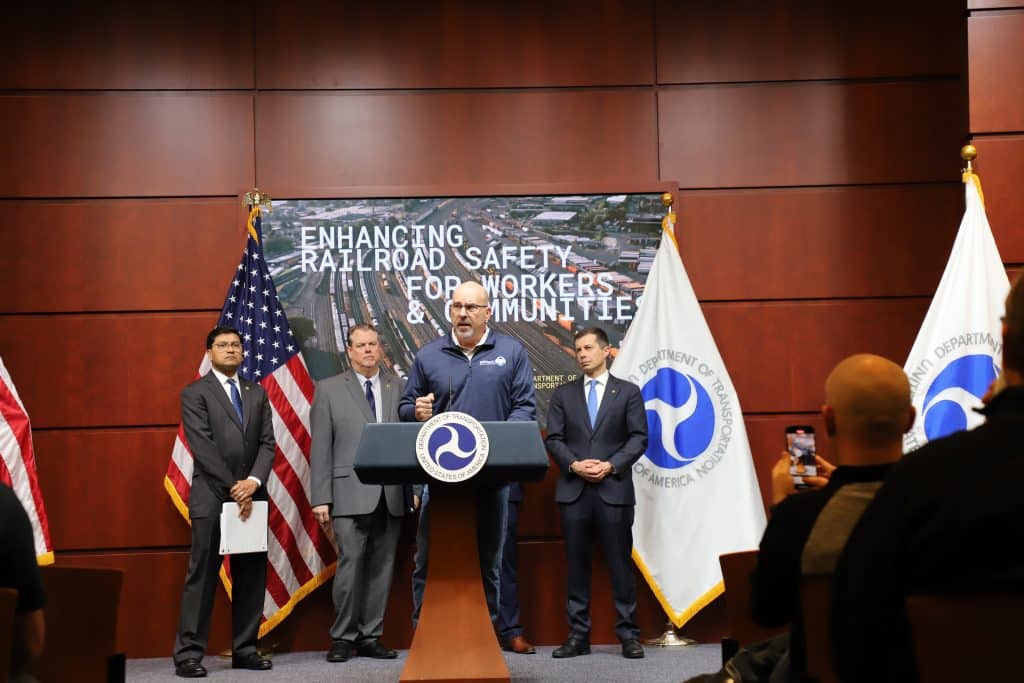
SMART-TD President Jeremy Ferguson speaks during the Biden administration FRA’s announcement of its two-person crew rule, as former FRA Administrator Amit Bose (furthest left) looks on
A new reality

It was just 2024 when the FRA finalized its two-person crew rule, a major win for common sense, communities and railroaders nationwide. Now, the FRA isn’t pretending to balance safety and industry anymore. They’re helping the industry overcome its biggest obstacle: dealing with a trained workforce and following the rules and regulations that protect it.

SMART-TD members are living this reality; you know it better than anyone. The railroads don’t want to train us. They don’t want to pay us. And they definitely don’t want to be held accountable to anyone but themselves.

We, their employees, are the “problem” they’re trying to solve.

And now we know Administrator Fink — who, not surprisingly, was the CEO of a railroad in his past job — is publicly pledging that the United States FRA is here to help them realize that vision of the future.

That was made clear in April.
By Ivan Meyen, SMART International representative

Organizing is not just about recruiting new sheet metal workers into our union; retaining members is a critical part of the equation. SMART local unions need to grow in order to bolster collective bargaining and ensure health and pension funds remain strong. That can only happen when members both join and stay in SMART.

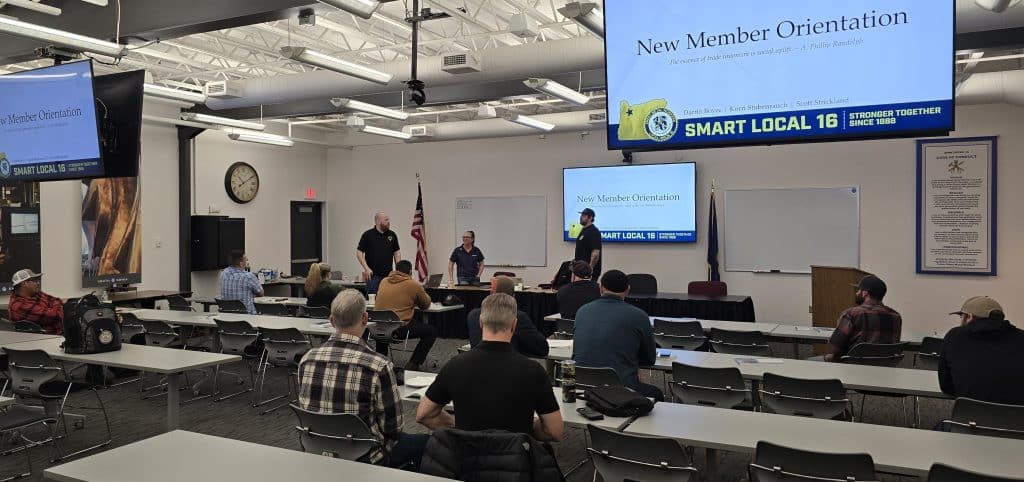
To retain new members, it is vital that they understand what their union is and the support that defines SMART membership. For that reason, SMART Local 16 held its inaugural new organized member orientation on March 7, 2026. This marked the first of what will be many new organized member orientations, led by Regional Manager Brian Noble, Regional Rep. Darrin Boyce, Organizer Korri Stubenrauch and Scott Stricklyn with the local’s Special Projects Department.

Traditionally, SMART Local 16 has educated recruits about the benefits of union membership during the new member sign-up process. Officers and staff use this time to give incoming members a thorough overview of their new union; however, it can often feel like information overload for our latest SMART brothers and sisters. While third-year Local 16 apprentices attend a weeklong Youth-to-Youth class — aiming to build a local culture centered around organizing — no such option exists for members who are organized into the local. To solve that problem, the organizing team at SMART Local 16 created the new orientation, a Saturday class specifically for members who joined the local through organizing.

Inaugural orientation class charts course for the future

One challenge with offering the class was determining whether enough relationships had been built to motivate members to attend a Saturday session. Ultimately, SMART Local 16 set a date and decided to move forward to see if there would be attendance. Letters were sent out to members, and the class was scheduled.

The orientation began with a “What Is the Union?” session, covering union history, structure and how SMART works. Members discussed how to use the union as a resource, heard testimonials from organized members and learned how to get the most out of being in SMART. Additional topics included what to watch for on the job and how to get help when needed. Time was also spent ensuring everyone could log into the online local and International member portals and allowing members to share their experiences as SMART members so far.

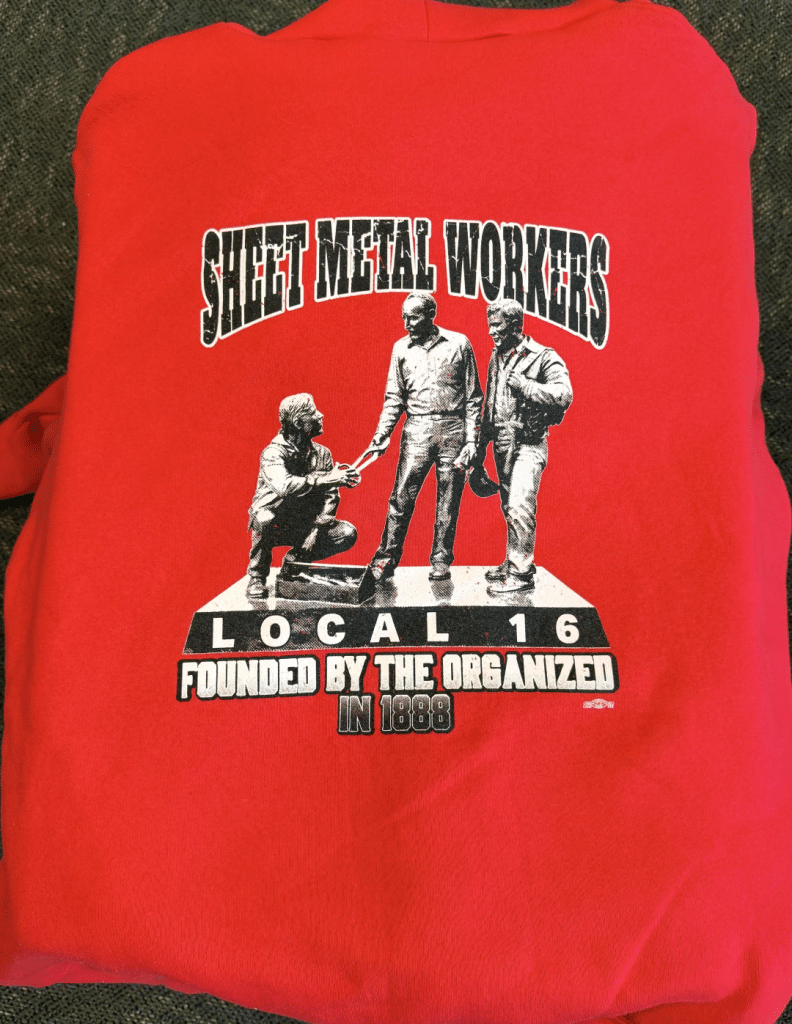
Eight members and one spouse attended the class. Their time at Local 16 ranged from three months to five years, but participants shared one thing in common: They all said they were glad they attended and found the class informative. Participants also received a hoodie that is only available to those who attend the class.

Moving forward, the goal is to spread the word about the value of this class so new members make time to participate when they receive the invitation. For now, SMART Local 16 plans to hold the class twice a year.

Organizing is an ongoing process. New members joining our union is only the beginning; ensuring they become active, engaged members — who take advantage of every part of their membership — is the key next step. When that happens, and when new members stay in SMART, every member benefits.

Great work, Local 16!

By Justin Wingard, Local 399

SMART membership changes lives — not just for members, but for entire families. Local 399 (South Carolina) member Fabian Campos is a powerful example.

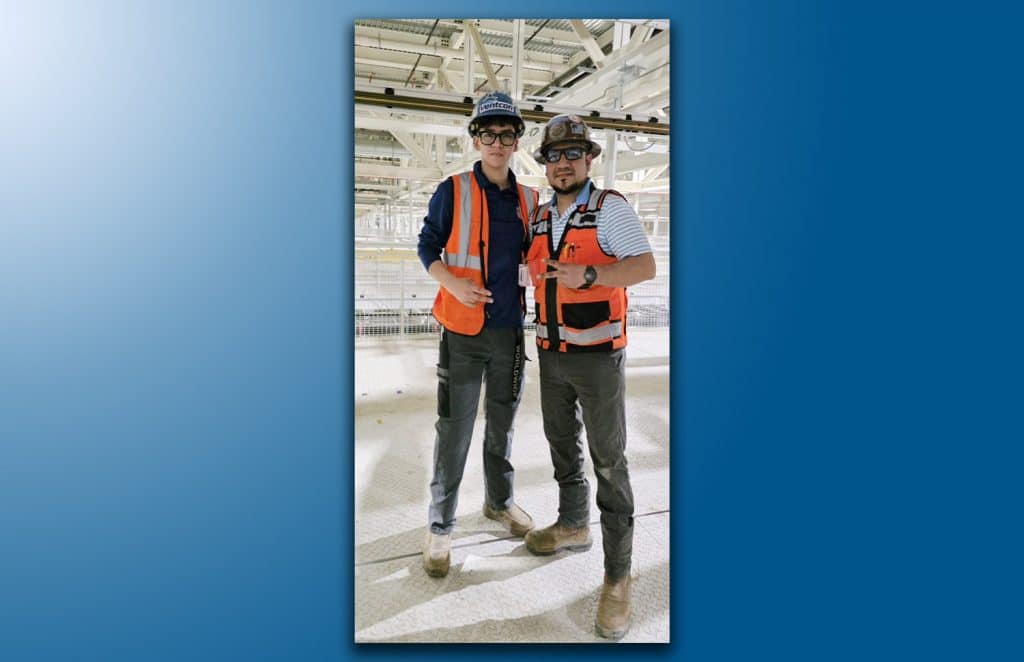
Fabian Campos, right, with his son, a Local 399 apprentice

On May 30, 2025, Brother Campos walked into the SMART Local 399 office to complete an application and interview. At the time, he was nearing the end of a nonunion apprenticeship program in Columbia, South Carolina. Despite having several years of verified experience — including time as a jobsite superintendent in New York — Campos had been placed into an apprenticeship program that did not reflect his skill level.

Like many hardworking Americans nationwide, he accepted this situation out of necessity, determined to support his family even as he earned wages that fell short of meeting their needs.

The unfairness of the situation brought him to the local, where during his interview, it quickly became clear that Campos’s experience and capabilities aligned with the qualifications of a journeyperson. We discussed the opportunities available through SMART Local 399 not only for Fabian but also for his son — including fair wages, comprehensive benefits and a clear pathway for advancement.

The realization of the union difference made an immediate and profound impact. Overcome with emotion, Fabian expressed deep gratitude, recognizing that this opportunity represented a turning point for his family.

Since joining Local 399, Brother Campos has excelled. He is now serving as a foreman on one of our largest projects, demonstrating leadership, skill and professionalism on the jobsite. His son has also joined the apprenticeship program and is actively building his own future within the trade.

Fabian has fully embraced union membership, going above and beyond to give back. He volunteers his time to help organize, teach, translate and mentor others. He has enrolled in every available training class and consistently attends union meetings, embodying SMART’s values of commitment and brother/sisterhood.

Brother Campos’s story is a testament to the life-changing impact of opportunity, fairness and solidarity; in other words, the impact of union membership. Through SMART Local 399, one family’s future has been transformed, and a new leader has emerged to help uplift others.

SMART membership changes lives for:

  • Members
  • Families
  • Communities

Through the power of collectively bargained pay, benefits and apprenticeship programs that provide pathways into middle-class careers.

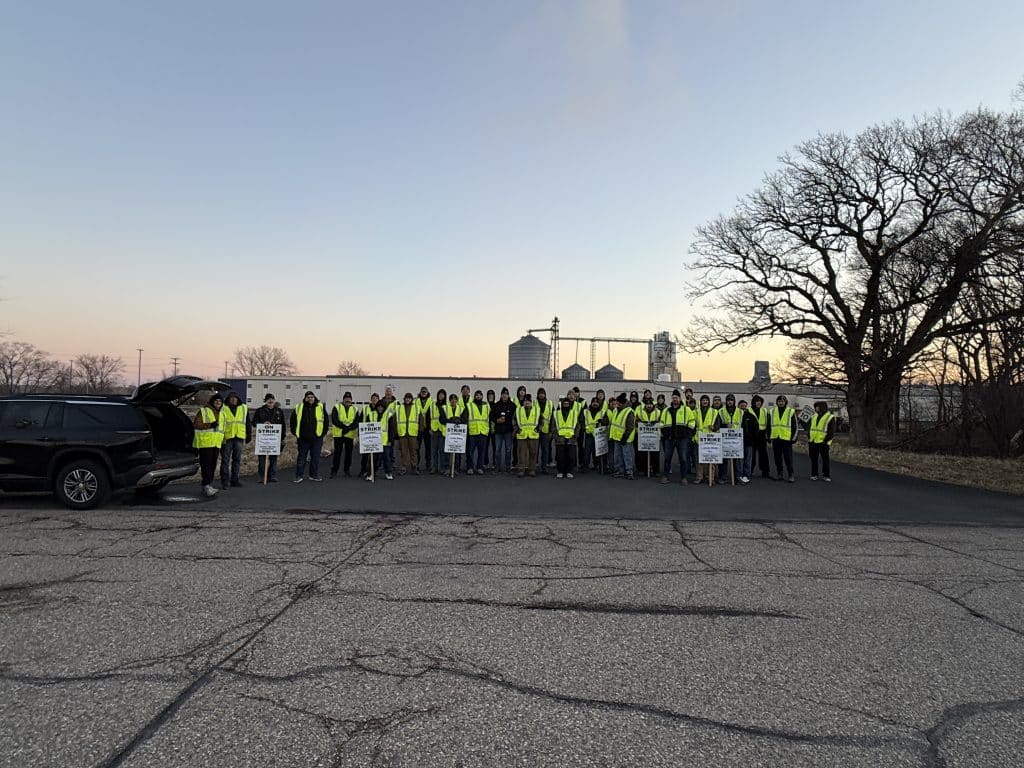
SMART General President Michael Coleman often says that our solidarity is our greatest strength. Local 10 members in Mankato, Minnesota, proved that in April 2026, going on strike and winning much-needed gains and guarantees around health care.

Jones Metal, Inc. in Mankato is a production shop that employs 42 Local 10 members. In 2016, according to Business Manager and President Matt Fairbanks, “there was a production health plan that ended up going bank­rupt, and the company didn’t go out and buy a health plan. They just decided to give the employees a stipend, a weekly stipend for health coverage.”

That was 10 years ago. When bargaining came around in April 2026, the stipend amount provided by the company hadn’t changed — despite the rising costs of health insurance.

“That stipend was part of the contract in 2013 and they have not raised that stipend or contributed to a health care plan for these employees for the last 13 years,” SMART Local 10 Financial Secretary-Treasurer Jason Damman told the Mankato Free Press in April.

Amid a time of spiking costs — and with huge increases in insurance rates coming down the pipe in Minnesota, according to the state Department of Commerce — members at Jones Metal went to the bargaining table seeking some relief for their families. Instead, Local 10 reported, the company proposed sticking with the same stipend for another three years.

Members responded by voting down the offer and authorizing a strike the same day.

Solidarity, community support prove pivotal

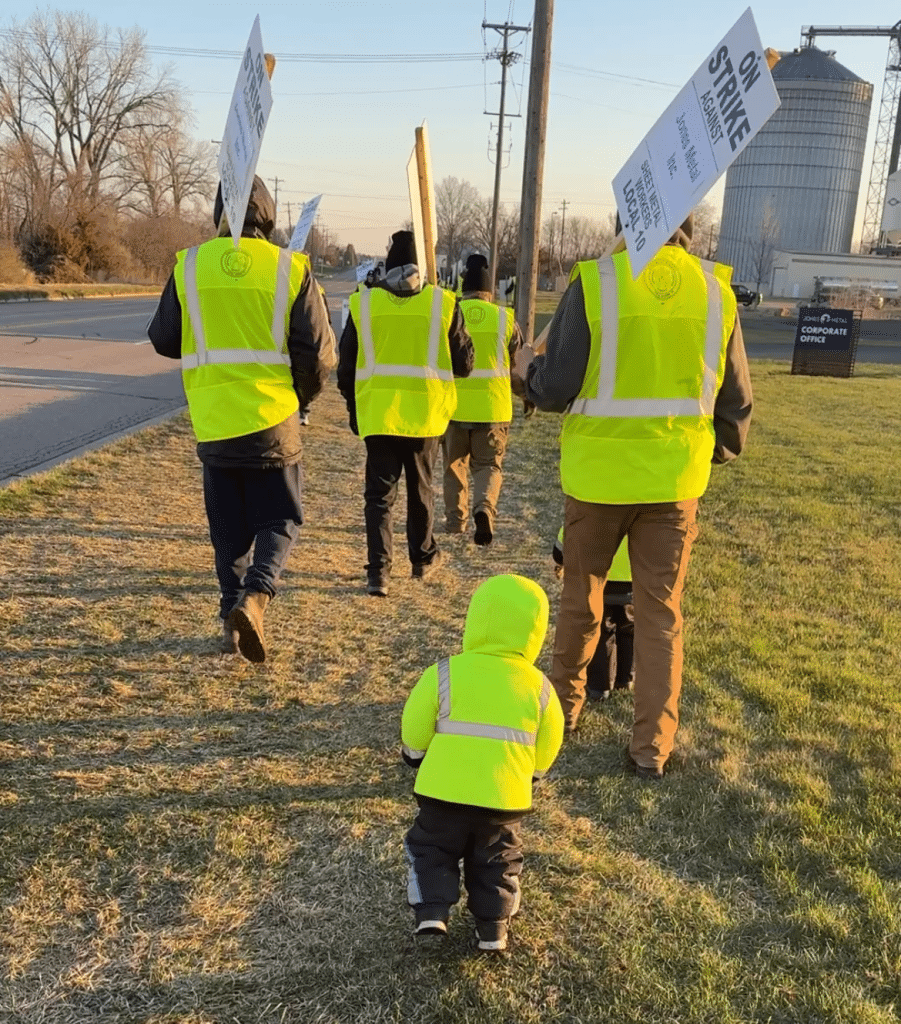
Local 10 put our union’s values on display as Jones Metal workers hit the picket line. The local’s entire Minnesota staff temporarily relocated to Mankato, a city in Southern Minnesota, for almost two full weeks. The local applied for and received assistance from the International’s strike fund, helping members get by for the duration of the strike. The state AFL-CIO, local building trades and SMART International Organizer Dan Kortte walked the line alongside members all day, nearly every single day, maintaining strength and unity through the blustery Minnesota springtime.

“It’s a lot to go on strike. It’s a ton of work,” Fairbanks said. “And it went off as seamlessly as a strike could go off.”

Especially crucial to Local 10’s success, Fairbanks explained, was the community support that members received in Mankato. Even though the region is known as a nonunion area, locals showed up for the Jones Metal workers, showcasing the fact that SMART members are not just essential workers but essential parts of commu­nities across North America.

“The support that we had from the community — driving by and honking, coming and walking the line with us, dropping off food and water, and things like that — it kept the members’ spirits upbeat, knowing that people cared, and that really helped,” Fairbanks said.

Power in unity

Despite the multiple days on the picket line, Local 10 members at Jones Metal stayed strong and unified throughout their strike. They never wavered in their demands; in fact, Fairbanks noted, they were ready to keep striking to win what they deserved.

Ultimately, that wasn’t necessary. In the agreement eventually ratified by the members, the company agreed to provide more money as part of their health care stipend — and, crucially, to establish a company health care plan by the end of the agreement.

“I know they’re going to start working on that fairly quick and hopefully have that in place long before the four-year agreement is over,” said Fairbanks.

Perhaps most important is the message that the members sent the company.

“The message sent is that you need to supply health care for people that show up and do work for you every day,” Fairbanks concluded. “It’s a human thing: having health care, making sure that your families are covered.”

From a frozen stipend amount dating back to the 2010s, to the imminent creation of a company health plan. That’s the power of solidarity!

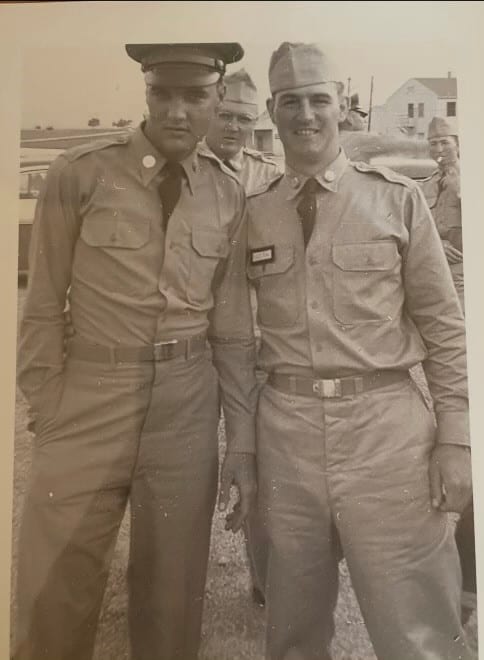
The SMART Local 25 (Northern New Jersey) Retiree Club shared this picture featuring retiree Jerry Gattie with Elvis Presley! Gattie was stationed with Elvis in West Germany in 1958.

“The retiree group appreciates Jerry for sharing his celebrity status with us,” the club wrote.

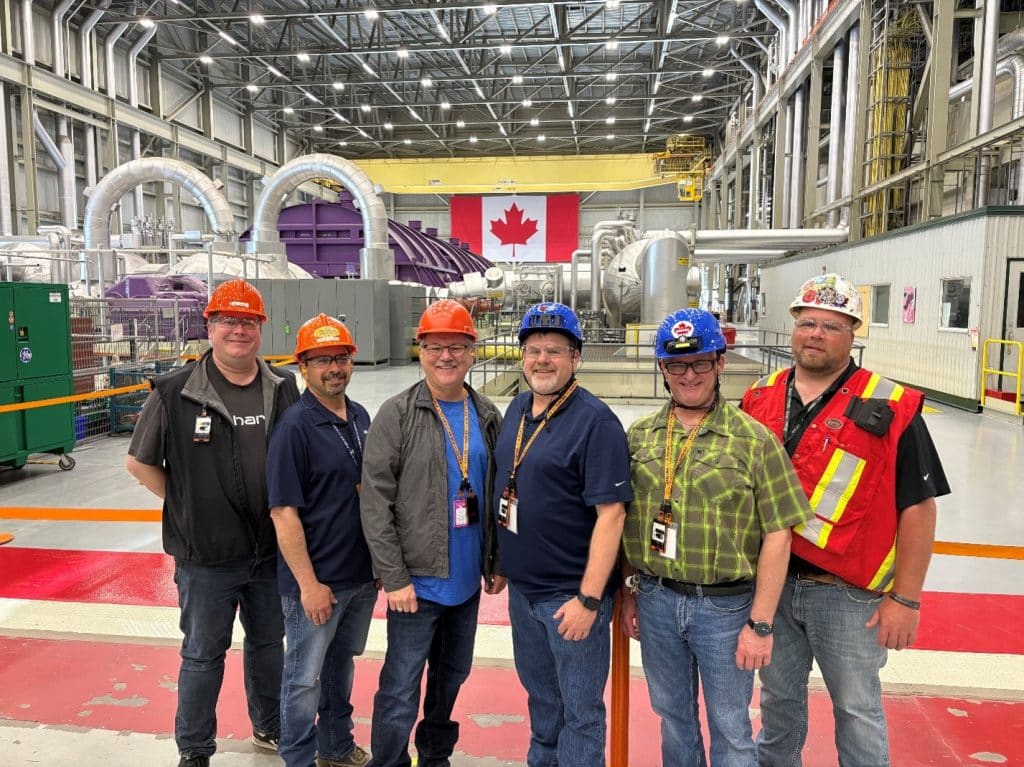
For more than a decade, SMART Local 30 (Toronto) members have been integral to the Darlington Nuclear Refurbishment project, contributing to the success­ful delivery of the world’s largest nuclear refurbishment to date. At peak activity, more than 130 Local 30 members were on site, providing their expertise in sheet metal, archi­tectural cladding and roofing. They helped deliver the refurbishment ahead of schedule and under bud­get, securing clean, reliable power for more than 3.5 million homes for decades to come.

Left to right: Sam Scheepers, holder of record; Fernando Canonico,chief steward; Jack Wall, director of Canadian affairs; International Representatives Bob Gougeon and Scott McQueen; and J.R. White, business representative for Local 30

Building on the success of the Darlington Refurbishment Project, the Ontario government has committed to refurbishing the Pickering Nuclear Generating Station and has reached an agree­ment to advance the next generation of nuclear development in Port Hope, Ontario, which will be the world’s largest nuclear generating station. Together, these landmark projects will provide long-term opportunities for Local 30 members, with workforce projections of approximately 120 members over the next eight years, supporting Ontario’s growing demand for affordable and dependable electricity.

With all this ongoing work, Local 30 members will continue to be on site at Darlington supporting the construc­tion of Canada’s first Small Modular Reactor. While currently working alongside other trades to support ventilation systems in their work areas, their role will expand signifi­cantly as the project progresses. At peak construction, workforce demand is expected to reach approximately 60 members, as Local 30 will install the mechanical ductwork.

Fernando Canonico, chief steward for Local 30 on site at Darlington, noted that these projects have created stable opportunities for members over the past decade. As work has progressed, many members have grown with it, starting as appren­tices and advancing into roles such as general forepersons, construction managers, contract monitors, holders of record and radiation protec­tion coordinators. This long-term work has not only provided steady employment but has also supported career progression, allowing members to gain experience, take on new responsibilities and move into a wide range of managerial roles across the project.

This project has also been a major success due to the positive working relationship with Ontario Power Generation (OPG) and their ongoing collaboration with the unionized skilled trades on site. Canonico highlighted that all chief stewards share a trailer, allowing them to regularly assemble, coordinate and hold huddles together, with full support from OPG. This approach reflects the value of stewards and union collaboration in maintaining efficiency, safety and strong collabo­ration on the project.

With nuclear work set to continue well into the future, Local 30 members are also benefiting from projects across the Greater Toronto Area, including work at the Peter Gilgan Mississauga Hospital and the Ford manufacturing facility. According to Business Representative J.R. White, these projects are helping to provide steady, long-term employment opportunities for members while strengthening the local’s presence across key infrastructure sectors. He also highlighted the sizable organizing efforts led by Director of Organizing Chris Paswisty and his team, which have been instrumental in ensuring the local can supply a workforce to meet the contractor’s needs: Over 200 members have been organized and 18 new companies signed so far this year.

Local 30 remains busy across Ontario, contributing a skilled workforce to a wide range of major projects and communities. From nuclear and health care to industrial construction, members continue to play a key role in building critical infrastructure and supporting the province’s long-term growth.

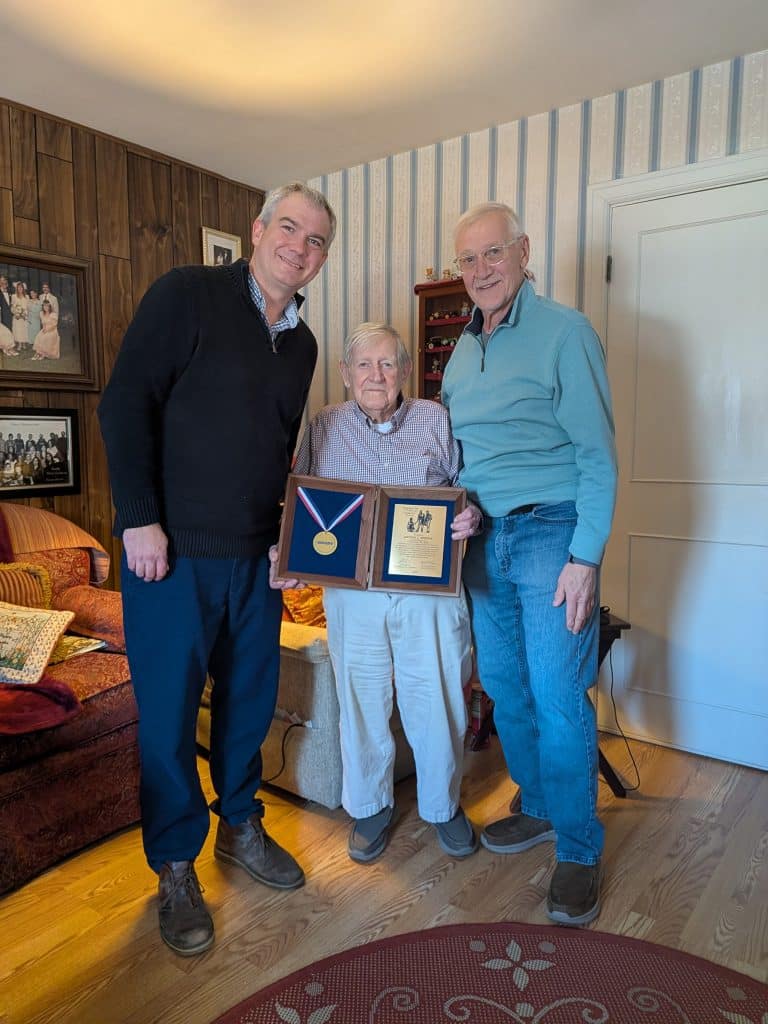
Local 71 (Buffalo, New York) Business Manager Tim Benes and retired Business Manager/General Vice President John Helak had the honor of presenting Brother Art Benson with his 70-year continuous membership award. Brother Benson was the first mechanic that GVP Helak worked under as a first-year apprentice in 1978.

“Thanks, Arthur, for your continuous support of SMART,” Local 71 wrote.

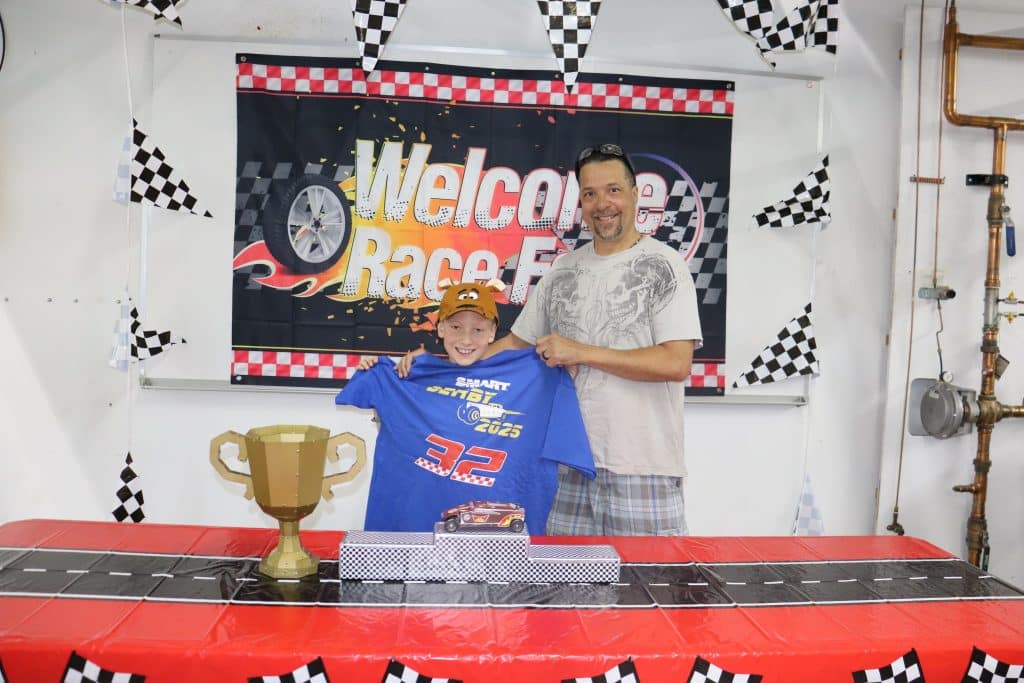
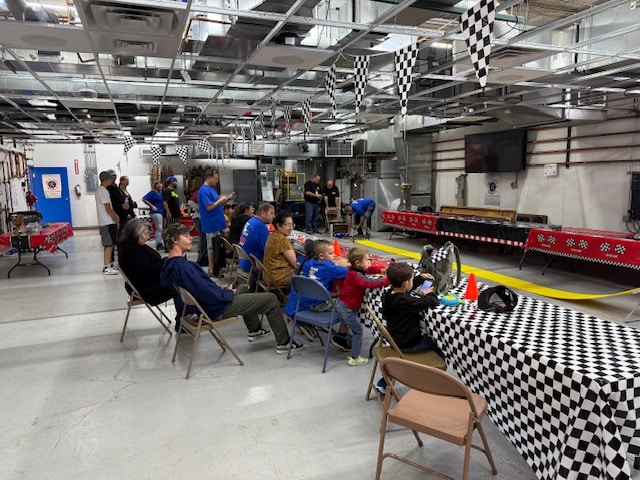
SMART Local 9 members, families and friends gathered at the local’s Denver union hall on September 6, 2025, for the inaugural SMART Derby, BBQ and Car Show, a first-of-its-kind event that celebrated craftsmanship, fellowship and the future of our trade.

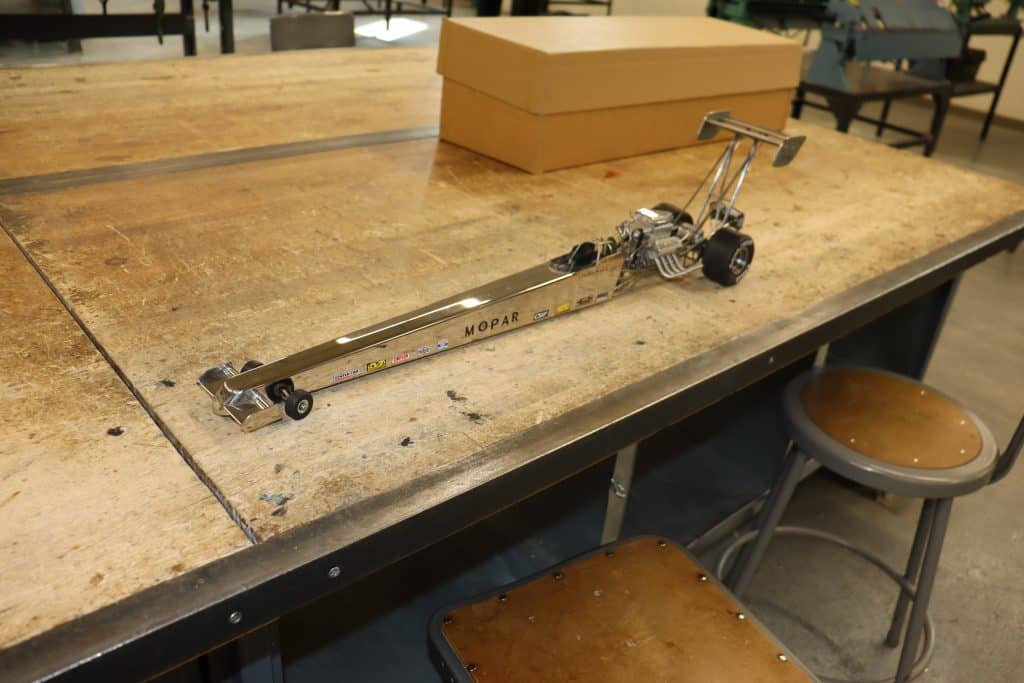
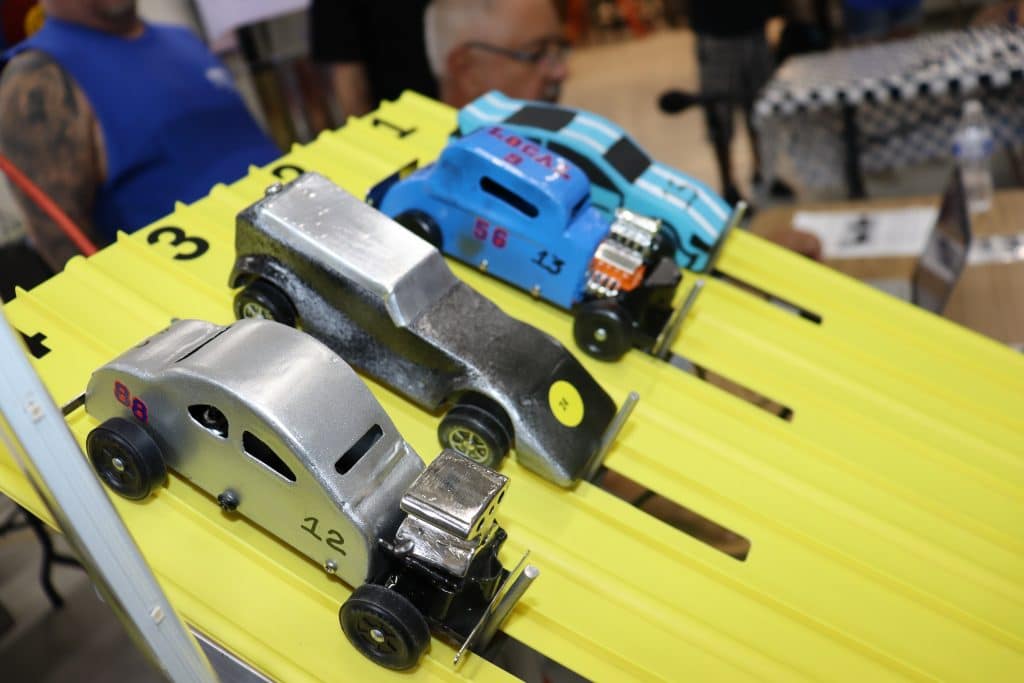
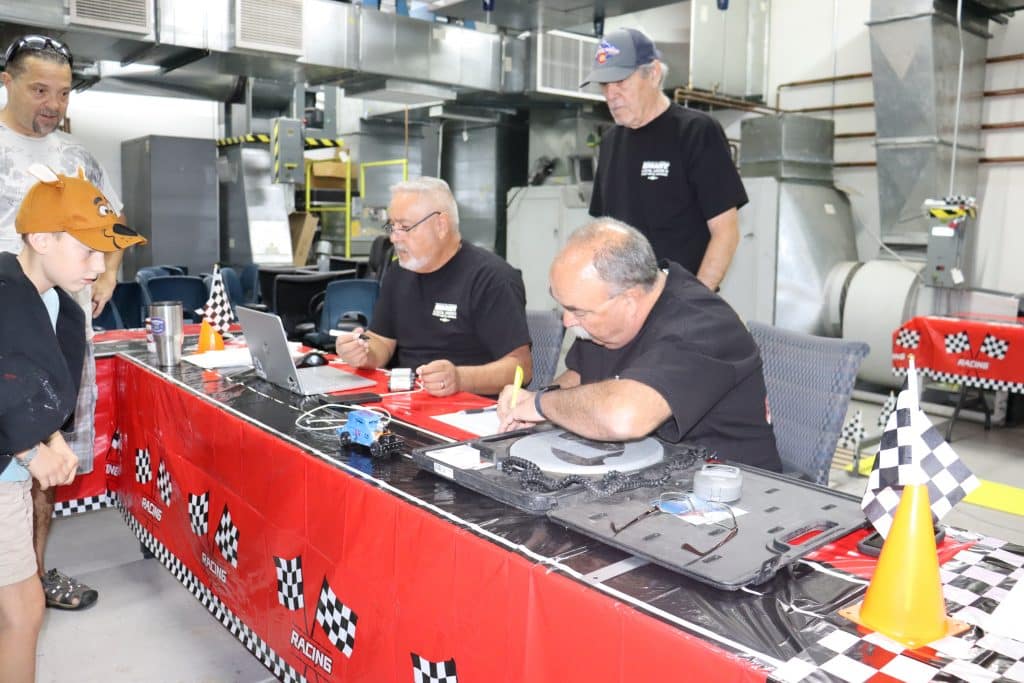
Modeled after the traditional Scouts Pinewood Derby, the SMART Derby was the culmination of months of planning, collaboration and creativity. The event featured handcrafted derby cars built by members and their families, a double-elimination race format, a car show, great food and plenty of friendly competition.

With a startup budget of $6,000 approved to fund the track, scales, event decorations, commemorative T-shirts and prizes, the Local 9 Derby Committee worked tirelessly to bring the vision to life. Committee members Chaz Tedesco, Lon Comstock, Reed Asmus, Alex Forbes and Gary Soderquist dedicated countless hours developing rules, organizing logistics and ensuring a successful event for everyone involved.

The day served as a showcase of the talent, ingenuity and pride that define Local 9 members. More importantly, it created an opportunity for generations to work side-by-side, sharing skills and building memories that will last a lifetime.

The highlight came on race day, when eight-year-old Jax Pursel captured first place, showcasing remarkable determination and craftsmanship. Jax worked alongside his father, 21-year member Lans Pursel, whose guidance and support helped make their project a winning effort.

The Pursels’ victory exemplified one of the event’s most important goals: passing knowledge from one generation to the next and inspiring young people to take an interest in the skilled trades.

Reflecting on the day, Lans shared: “Such a good time! I’m so proud of my boy. Can’t wait to do it next year!”

“You’re the real winner, Dad!” Jax added.

Competition remained fierce throughout the bracket, with Chuck Studer earning both second and third place honors, demonstrating his skill, creativity and attention to detail.

Today, the winning derby cars are proudly displayed at the Denver union hall where members and visitors can stop by and admire the craftsmanship that went into each build.

From the custom-built derby cars and exciting races to the classic car show and outstanding barbecue, the inaugural SMART Derby proved to be much more than a competition. It was a celebration of union solidarity, family, mentorship and the traditions that make SMART Local 9 strong.

Organizers hope the SMART Derby becomes a model that can be replicated throughout our union. The vision is to continue growing the event locally each year while encouraging other SMART locals to establish their own derby programs. By fostering friendly competition, family involvement and hands-on craftsmanship, these events can strengthen connections within our union and generate excitement about the skilled trades among future generations.

Looking ahead, organizers hope to see local derby champions advance to regional competitions, creating opportunities for even greater participation and camaraderie across SMART. As these events grow, so too will member engagement and pride in our trade.

“A heartfelt thank you goes out to every member, family member, volunteer and guest who attended and helped make this event such a tremendous success,” said Local 9’s Tedesco. “Your support and participation transformed an idea into what promises to become a lasting Local 9 tradition.”

What does union solidarity mean?

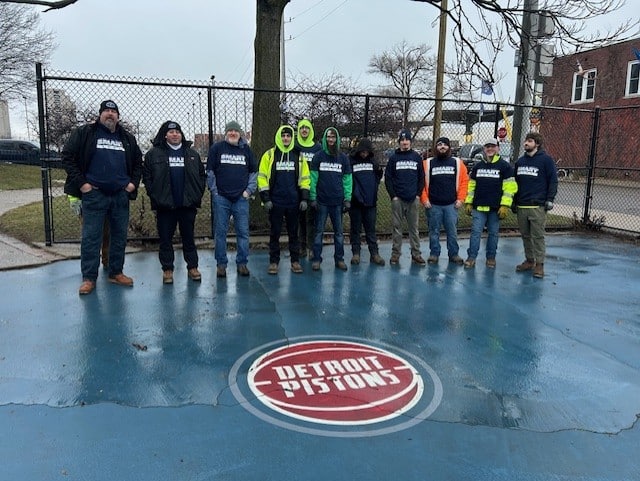
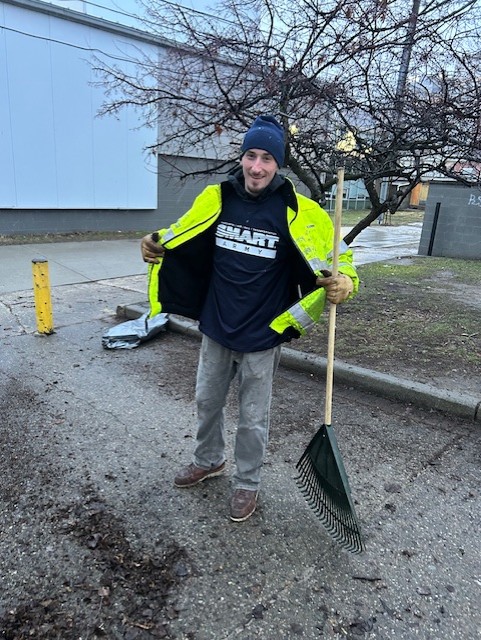
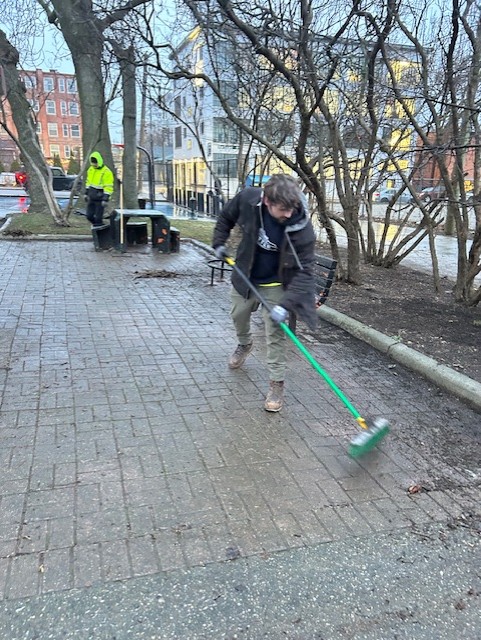
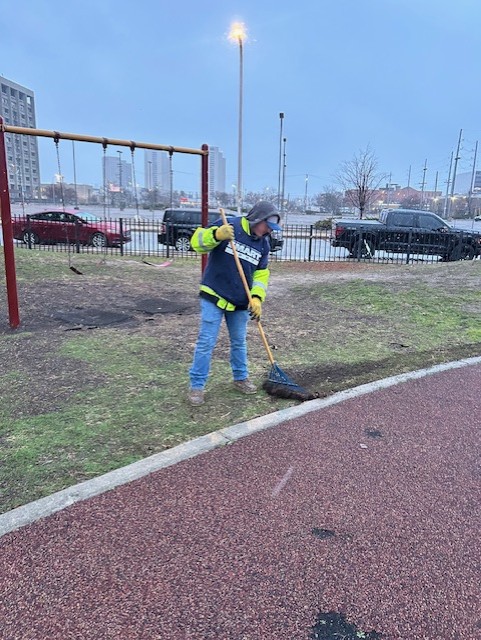
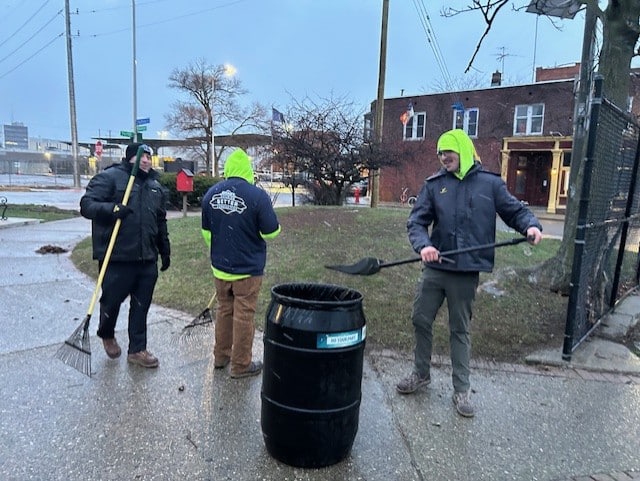
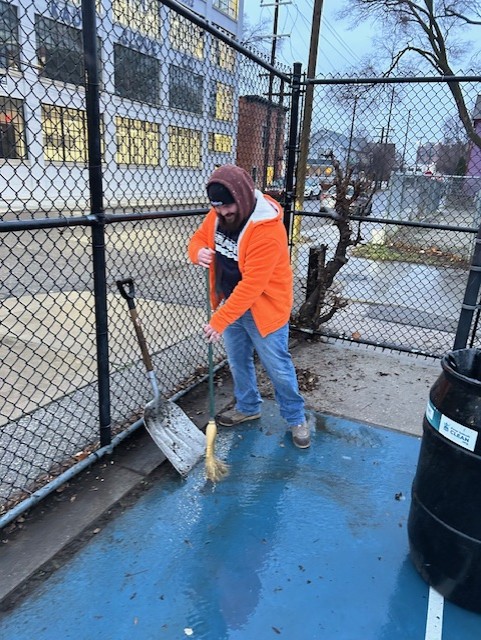
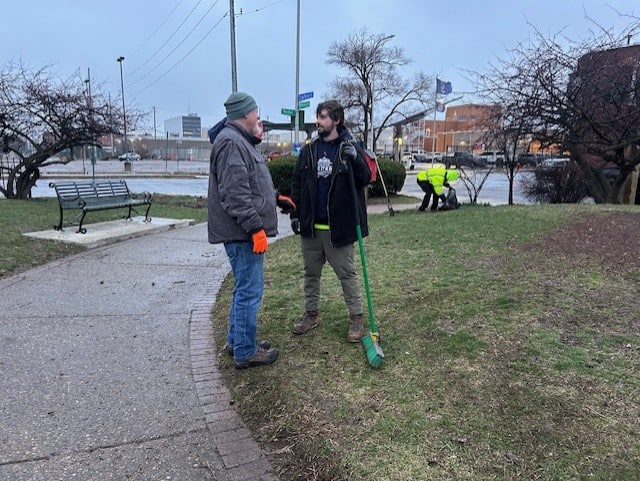
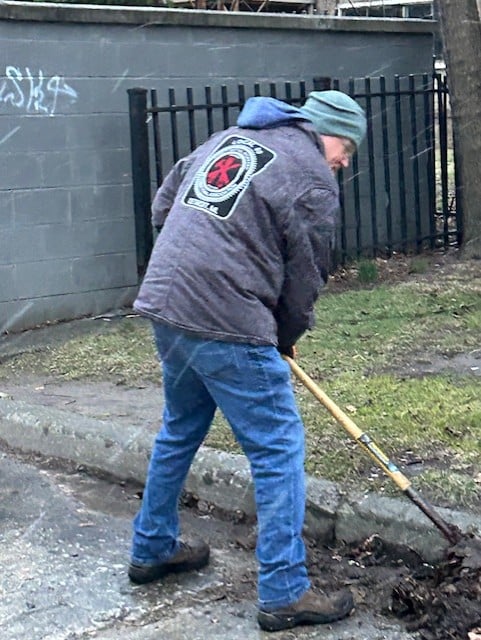
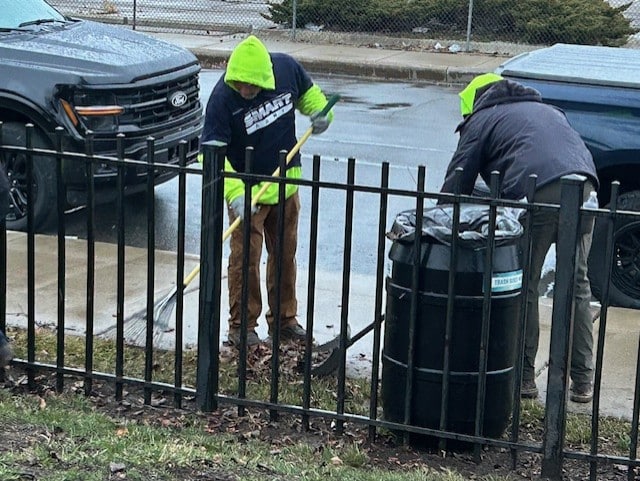
For SMART members, solidarity means action — from the jobsite, to the cab of a locomotive, to city council meetings, to marches, rallies and well beyond. And on March 13 in Detroit, it meant taking on harsh conditions to make life better for area students: Local 80 staff and nine members volunteered to help clean up a local park ahead of the annual Detroit St. Patrick’s Day Parade.

The week prior, Local 80 Wayne County Business Agent Scott Lewis connected with leadership at Maybury Elementary School, asking where and how the school most needed help. In response, the school made a simple request: help cleaning the adjacent Murphy Park to ensure it was safe and welcoming for students to enjoy during recess and after school.

Local 80 answered the call.

Although the days leading up to the cleanup brought mild weather, conditions took a sharp turn the day of — dropping to 15 degrees with 40 mile-per-hour winds and scattered snow showers. But that didn’t stop Local 80. In a true demonstration of what solidarity means, the members took on the weather, working diligently to restore the park.

That effort made a real impact. Through their hard work, the Local 80 volunteers helped create a cleaner, safer and more inviting environment not only for the students of Maybury Elementary, but also the surrounding Detroit community.

SMART Army: Building Better Communities.