When workers come together to form a union, they’re making a choice to build collective power and win the pay, benefits and workplace standards they deserve. The road to unionization is, far too often, a tough one. But as employees at Dallas-area contractor Stratus Systems demonstrated, solidarity on the job can help workers overcome the challenges in their path.
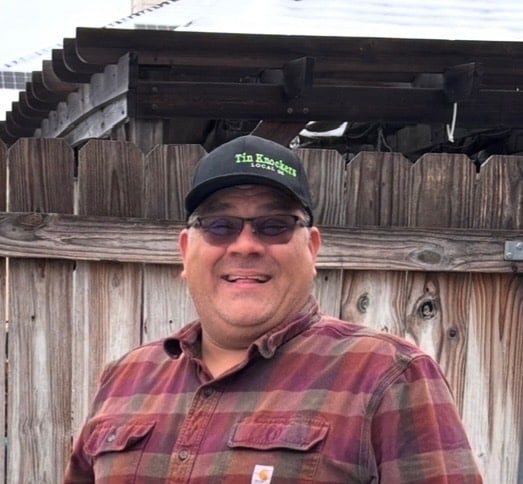
From 2023 through 2026, workers at Stratus Systems worked with SMART Local 68 members and organizers to build an organizing campaign through sustained outreach, relationship building and the determination of trusted worker leaders.
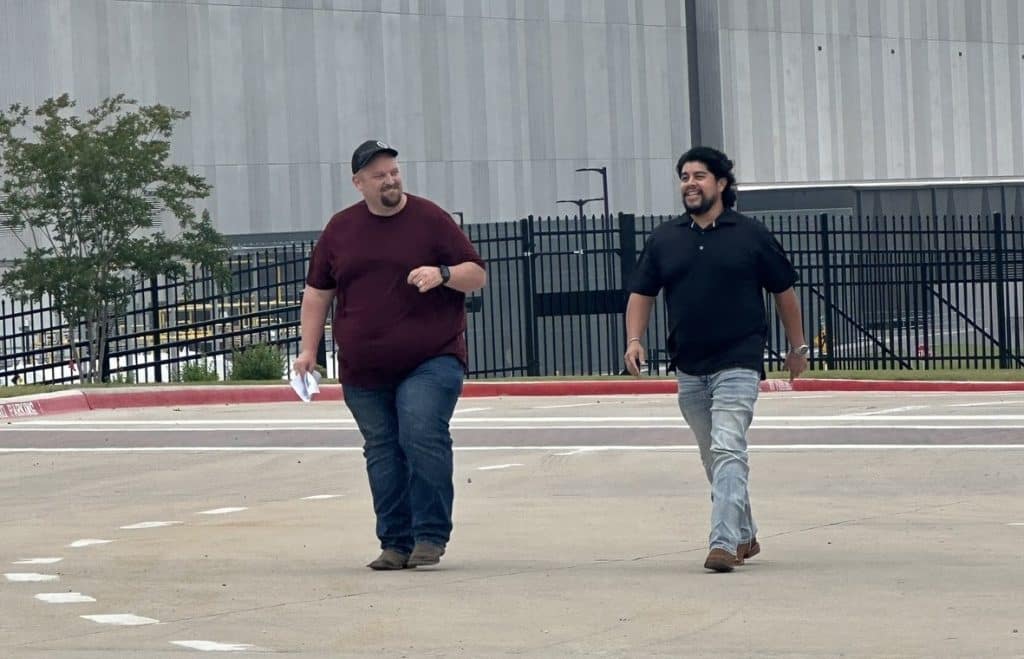
Organizer Yadriel Carrasquillo and Local 67 Production Organizer Ralph Gomez
Workers fight for their union
The campaign began years ago — and originally met what could have been a devastating setback.
Following worker-to-worker outreach in early 2023 that quickly turned into an organizing campaign by the end of the year, workers filed for an election to join Local 68 with the National Labor Relations Board (NLRB). When the election took place in January 2024, union supporters lost. But that wasn’t the end of the road. The organizing team rebuilt support by strengthening worker engagement, forming an internal organizing committee and expanding worker-led communication. The result? Out of 168 workers at the company, 96 signed cards signaling their intent to join Local 68.
Then, another setback: The United States government shut down, including the NLRB, significantly delaying the workers’ efforts.
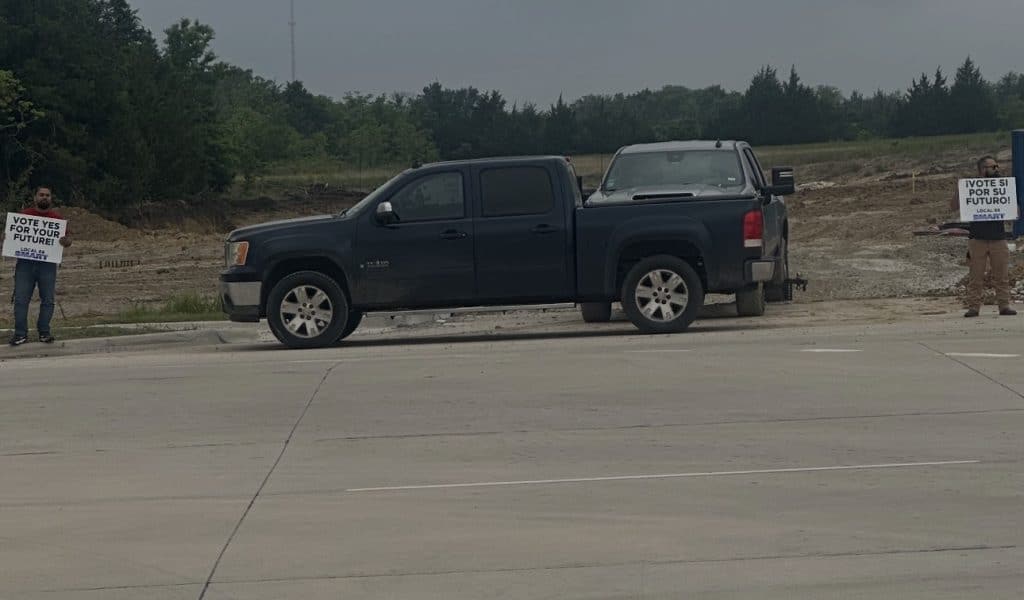
Again, the workers refused to give up. In early 2026, organizers secured a rerun NLRB election, then executed an intensive campaign featuring daily strategy meetings, rapid response jobsite outreach, worker-to-worker messaging and strong support from volunteer leaders.
“Everyone was feeling excited because we knew that the workers knew the union had their backs by the workers’ smiles, honks and waves,” said Organizer Yadriel Carrasquillo, who had previously worked as a journeyperson on a jobsite alongside many Stratus employees.
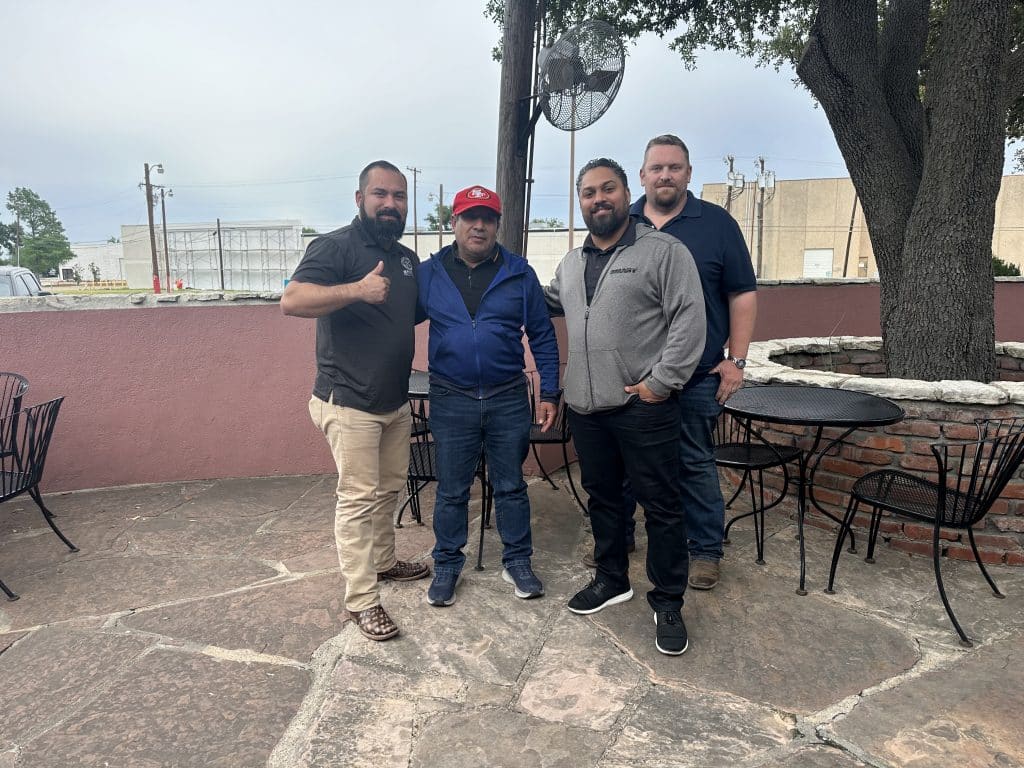
Production Organizer Ralph Gomez, Stratus worker Modesto, Yadriel Carrasquillo, SMART Local 67 Marketing Rep. George PlanePlane and International Organizer Rico Sanchez after giving handbills to workers
And on May 1, 2026, workers voted in favor of union representation, making SMART Local 68 the certified representative of Stratus Systems employees.
The campaign demonstrated the importance of persistence, worker leadership and coordinated organizing in overcoming setbacks and achieving a successful union election.
Welcome, brothers and sisters!
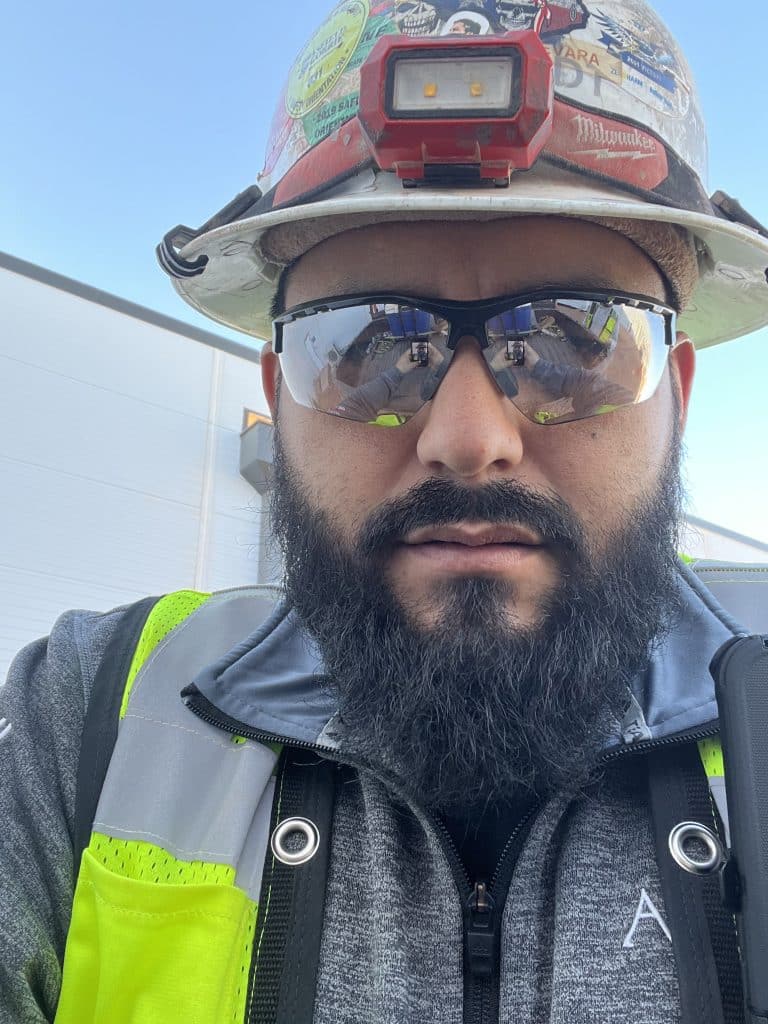
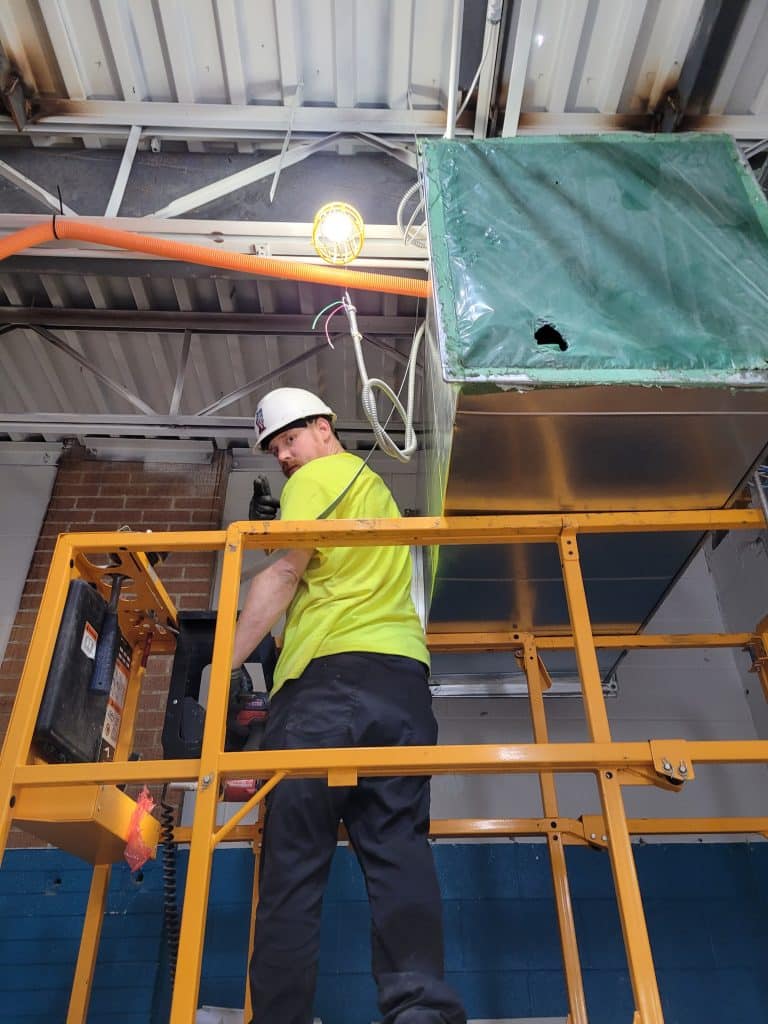
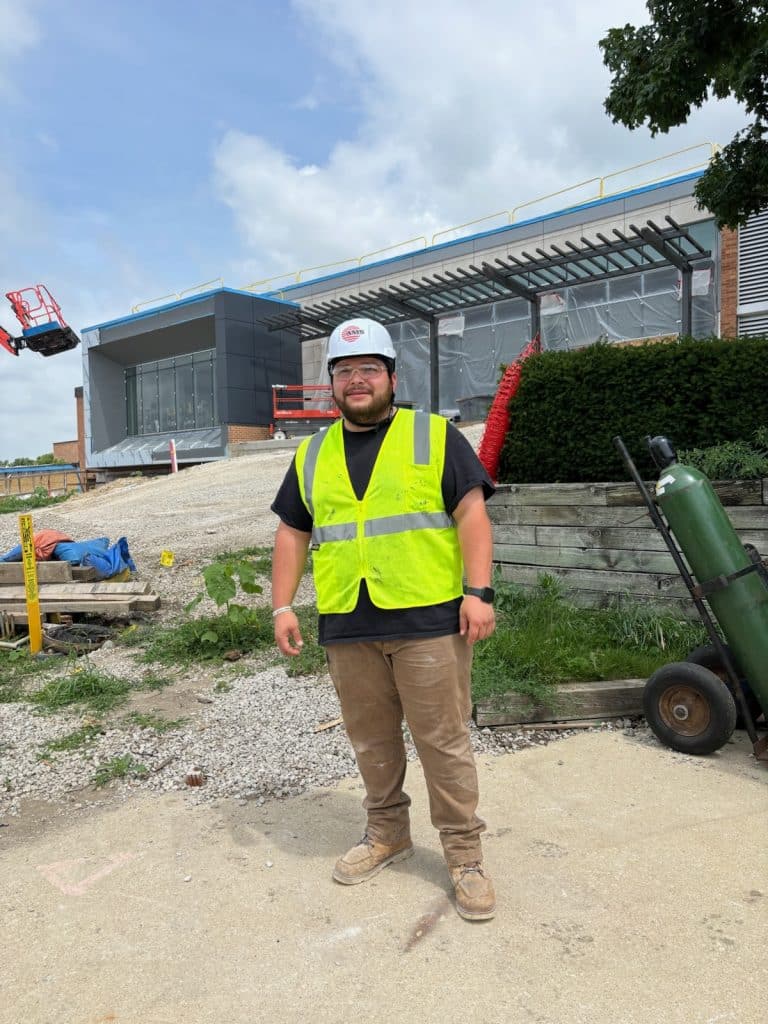
Worker leaders, pictured above, started the campaign and kept driving it forward
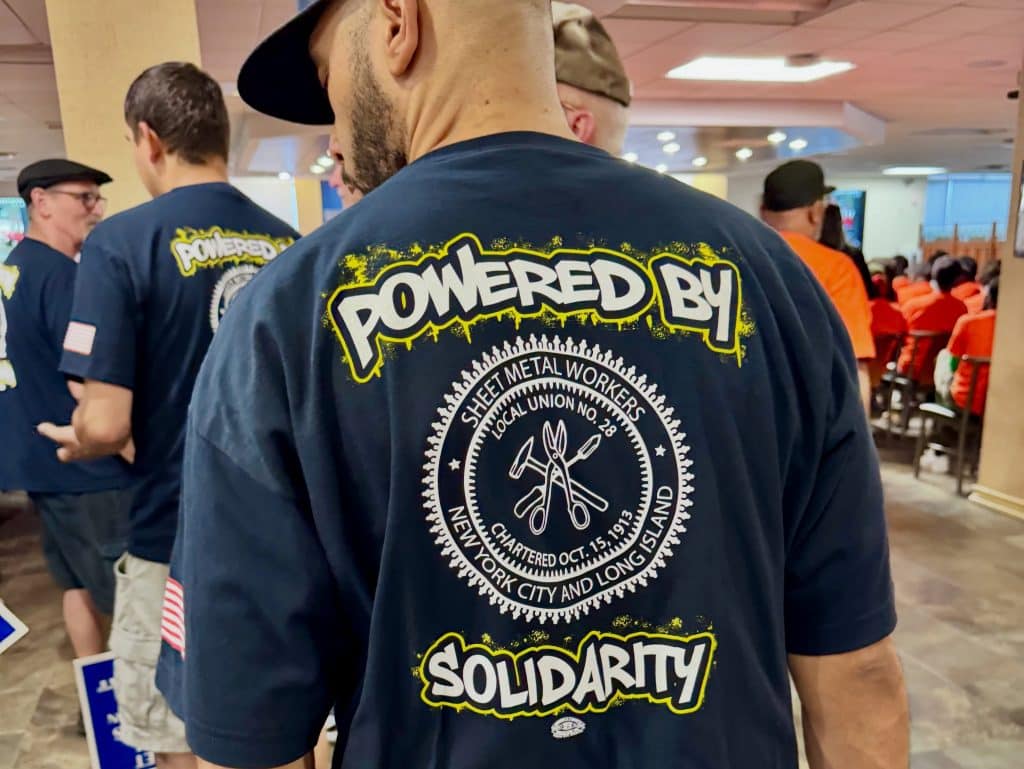
New York City, one of the most famous metropolises of the world, is built, moved and powered by union members. And in New York and New Jersey, SMART Local 137 and Local 28 are working constantly to create more opportunities for union members, expand the number of unionized contractors performing work in the region, and help workers experience the difference in pay, benefits and quality of life that comes from SMART membership.
One recent success came after a Local 137 member alerted Organizer Robert Soto that a non-signatory contractor planned to perform overnight work at the HELIX project at Rutgers University in New Brunswick, New Jersey — a three-building complex that promised plenty of work for SMART sign workers. Acting quickly, Soto responded to the project, resulting in hundreds of work hours being secured for Local 137 members while also opening productive discussions with the contractor regarding future opportunities to put SMART members to work throughout Northern New Jersey.
Local 137 has also continued its long-term strategic campaign to bring CAD Signs, one of the region’s largest nonunion sign contractors, into SMART. While maintaining discussions with company leadership, the local simultaneously strengthened its signatory contractor base by assisting AMA Signs in establishing a New Jersey operation and recruiting experienced employees from CAD. To date, 6 of AMA’s 12 journey-level workers and apprentices at the New Jersey location are former CAD employees, with additional workers continuing to transition to the union contractor.
Another organizing opportunity developed when contractor Signarama contacted Local 137 regarding work at a shopping mall covered by a labor harmony agreement. Rather than risk labor issues, the contractor agreed to subcontract the project to a Local 137 signatory contractor. In the short term, that meant more work opportunities for SMART members. In the long term, the successful collaboration has already generated additional subcontracting opportunities, and discussions continue regarding the company signing a Local 137 agreement.
The organizing momentum continued across the region as SMART Local 28 successfully signed Sahara Construction Corp. as a union contractor. The agreement brought nine new members into Local 28 and further strengthened the local’s contractor network throughout New York City.
Together, these victories demonstrate that successful organizing rarely relies on a single tactic. Through strategic job actions, targeted workforce development, relationship building, contractor assistance and sustained organizing discussions with management, SMART Locals 137 and 28 continue expanding the share of work performed by members in the region and creating new opportunities for workers.
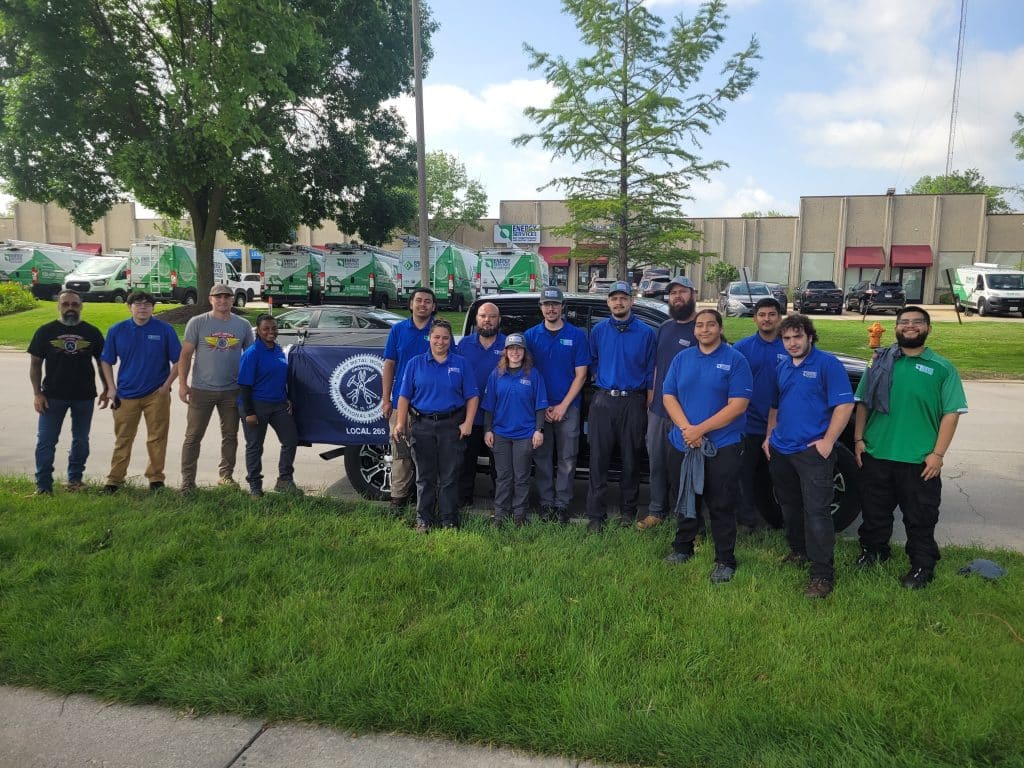
In May 2026, the employees of Energy Services in Naperville, Illinois, demonstrated the power of solidarity when they voted 17-3 to join SMART Local 265. The National Labor Relations Board election itself was decisive; it was also the culmination of months of organizing and years of relationships built among coworkers who viewed one another as more than just fellow employees.
For many of the workers at Energy Services, a residential service company in the greater Chicago area, the company was a second home. A significant portion of the workforce had spent between 8 and 12 years building the business and serving customers together. They celebrated milestones, supported one another through difficult times and developed a level of trust that can only come from years of working side-by-side.
That trust became the foundation of a successful organizing campaign.
Organizing for change
The catalyst for change came in late 2025 and early 2026, following a private equity acquisition. As new ownership took control, workers began seeing changes that raised concerns about the future of the company and their livelihoods.
Compensation structures employees had relied upon for years began changing. Workers experienced reductions in pay while increased emphasis was placed on commission-based sales opportunities. Employees who had built careers around providing quality service found themselves questioning the company’s direction and what those changes would mean for both workers and customers.
Across many industries, private equity acquisitions often bring promises of efficiency and growth. Workers, however, frequently bear the burden: They experience pressure to increase profits, reduce labor costs and prioritize short-term financial returns. The employees at Energy Services worried that the workplace culture they had spent years building was beginning to erode.
Those concerns extended beyond long-time employees. Veterans of the company felt a responsibility to protect newer coworkers from further reductions in pay, benefits or workplace stability. What began as conversations among trusted coworkers quickly grew into something larger.
Workers spoke openly about the challenges they faced and the future they wanted to create. Rather than focusing solely on individual concerns, discussions centered on how, by acting collectively, they could provide stability, fairness and a meaningful voice in workplace decisions.
Worker-to-worker organizing builds workplace power
SMART Local 265 Organizers Jay Jones, Joel Orozco and Mike Powers worked alongside the employees throughout the campaign, providing guidance, resources and organizational support. Behind the scenes, the effort included countless evening phone calls, organizing committee meetings and weekend strategy sessions. The goal was never to speak for the workers, but to help workers build the confidence and structure to help them speak for themselves.
The organizing committee became the engine that drove the campaign forward. Workers routinely dedicated evenings and weekends to planning outreach, discussing concerns raised by coworkers and preparing for the next phase of the campaign. Committee members took ownership of the effort, ensuring every Energy Services worker had the chance to ask questions, share concerns and make an informed decision about representation.
The campaign was built through worker-to-worker organizing.
Employees identified natural leaders within the company and focused on one-on-one conversations. Coworkers listened to concerns, answered questions and shared their experiences. Through those discussions, workers discovered that many of the frustrations they believed were personal were shared throughout the workforce.
As support continued to grow, employees signed authorization cards and built a strong organizing committee. The campaign was grounded in a shared belief that workers deserved a seat at the table when decisions affecting their lives were being made.
Management responded with an extensive anti-union campaign.
Employees attended “voluntary” meetings and participated in one-on-one discussions designed to discourage support for union representation. Week after week, workers were presented with reasons why they should reject their union.
By that point, however, the campaign had become about something more than any meeting or presentation.
Years of shared experience had created bonds that could not easily be broken. Employees continued discussing the campaign after meetings, comparing information, and keeping their focus on the issues that had inspired them to organize in the first place.
Throughout the campaign, workers demonstrated remarkable courage. A union campaign is never easy, particularly when management actively opposes it. Yet employees remained focused on securing collective power and protecting the workplace they had helped build.
On May 6, 2026, those efforts paid off.
A worker win in Naperville
When the ballots were counted, the workers voted overwhelmingly in favor of representation by SMART Local 265. The final tally of 17-3 reflected not only support for union representation, but also the strength of the relationships that had fueled the campaign from the beginning.
The Energy Services victory serves as a reminder that successful organizing campaigns are built on solidarity, commitment and workers looking out for one another.
This campaign was not simply about wages, commissions or workplace policies. It was about a group of employees who refused to stand by while decisions affecting their futures were made without them. It was about long-time coworkers protecting one another and ensuring that newer employees would have the same opportunities and stability they had worked for years to create.
Most importantly, it demonstrated a simple truth: When workers stand together, they can shape their own future.
SMART production members manufacture some of the most important components of the 21st-century economy. From Ontario, Canada, to Faribault, Minnesota, to Springfield, Missouri, to Southern California, these workers manufacture everything from large-scale HVAC equipment to data center cooling towers. And across North America, SMART leaders work to represent these workers to the best of their ability.
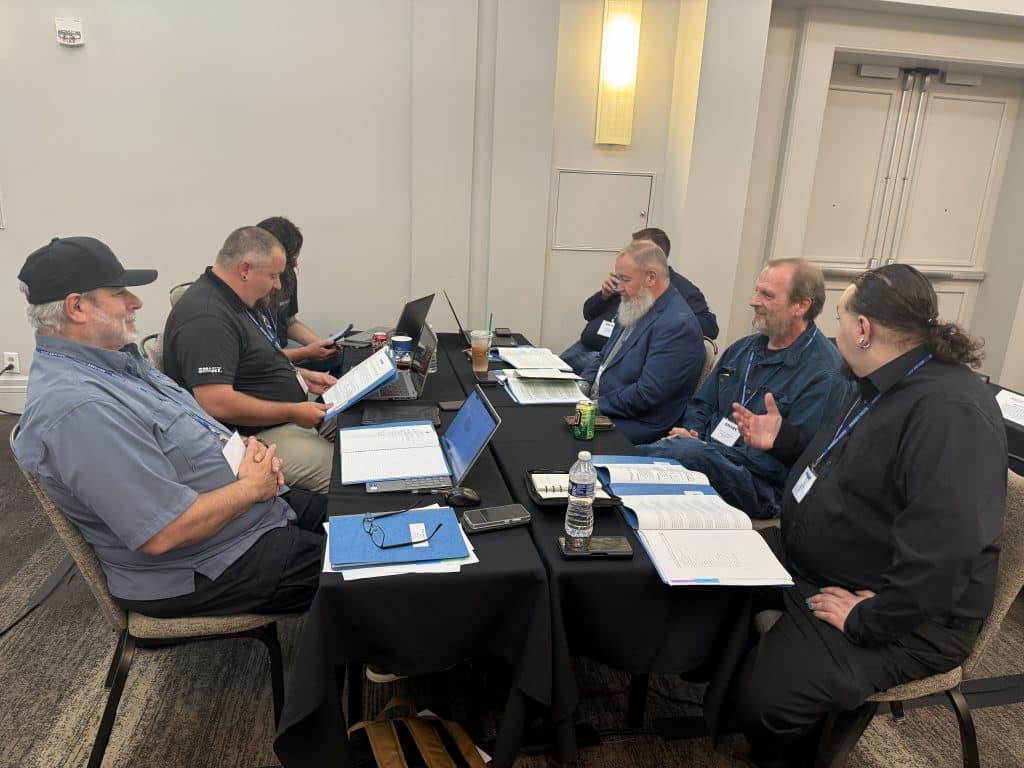
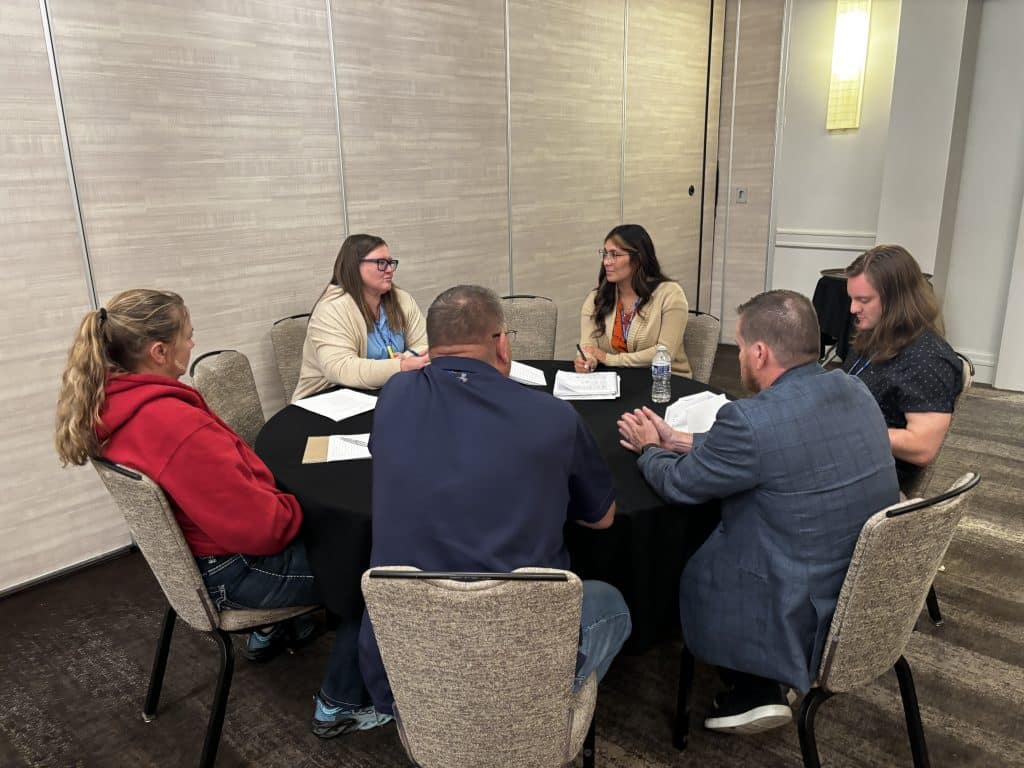
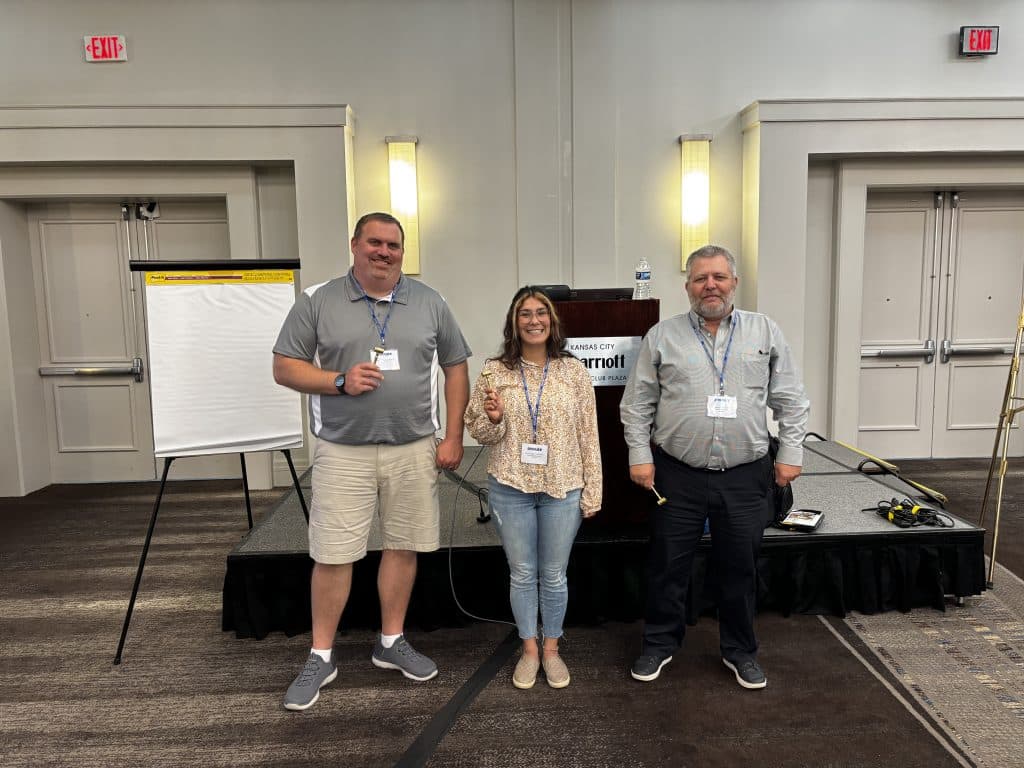
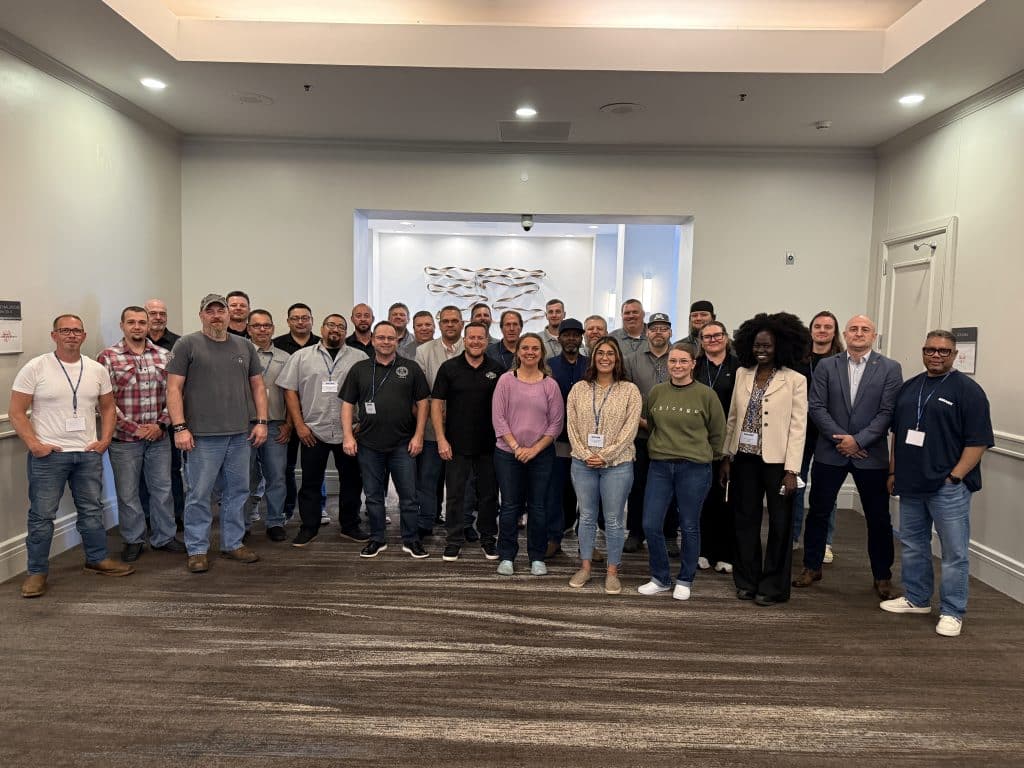
For that reason, the SMART Education Department and the Production Workers Department held the annual Production Institute in Kansas City, Mo., during the week of June 1, 2026. The focus of the Production Institute, a progressive-format multi-year course, is to train union officials — including stewards — on how to effectively represent our production members.
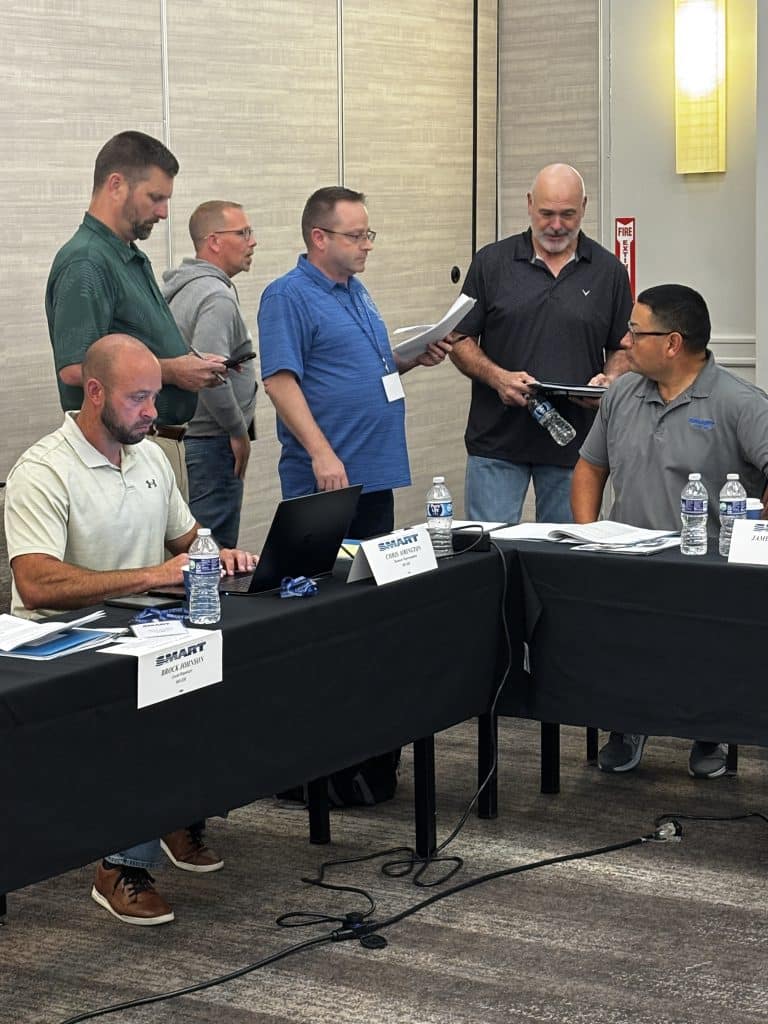
This year, there was a change to the previous format of the Institute. New 2026 participants were combined with the former first-year students from 2025 into a single, newly designed class that focused on grievance processing. The participants worked throughout the week to take several mock grievances from the initial report stage, through investigation, negotiation with the employer (role played by instructors) and ultimately to arbitration, where they participated in a mock arbitration.
Students received points for resolving their grievance at the right point in time, and there were also peer rankings that helped determine the winners for the class. Congratulations to Brian McCord (Local 15, Central Florida), Alexis Montesdeoca (Local 555, Knoxville, Tenn.) and Ted Rothstein (Local 480, Faribault, Minn.) for being the top three point scorers in the class.
The third-year class continued on with the format from 2025, preparing for and role-playing a mock grievance arbitration and collective bargaining sessions.
“Congratulations to the third-year class for graduating from the Production Institute!” said SMART Director of Education Eli Baccus. “Stay tuned for more changes for the Production Institute in 2027.”
Please note, the Production Institute is no longer invite only. Full-time union officials from any local and production stewards (with the approval of their local) can register for this class just like any other class offered by SMART’s Education Department.
Collaboration between the SMART International Association and Local 441 led to the hiring of a retired steward at Ingalls Shipbuilding in Missouri as a subsidized organizer. That, in turn, helped spark a successful internal organizing campaign that won workers a momentous contract — demonstrating the power of organizing from coast to coast.
In March 2026, SMART Local 441 reported on a momentous victory at Ingalls Shipbuilding in Pascagoula, Mississippi. In a so-called “right-to-work” state — where workers making less and having less collective power is somehow defined by state law as a good thing — a concerted organizing push helped members at the shipyard win a collective bargaining agreement with stellar pay gains, shift premiums of 10%, and an additional 5% for combination workers.
A key to that victory? Collaboration between the SMART International Association and the local union, leading to the hiring of an organizer who knew the workplace well.
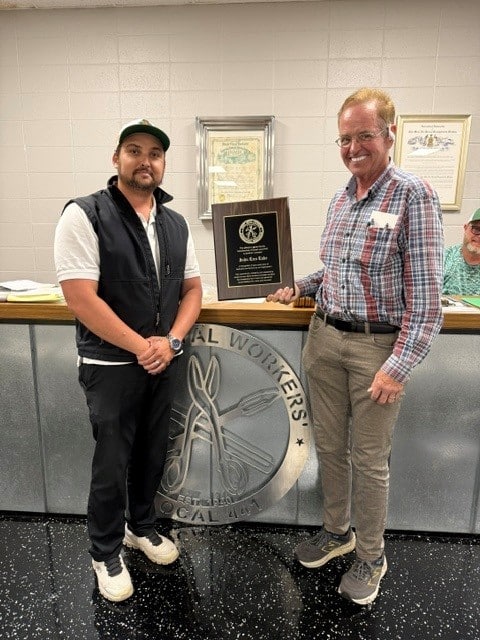
Pictured: Local 441 Business Manager Thomas E. Fisher II presents Lake with an award recognizing his dedication to our union.
In May of 2025, Local 441, with the help of SMART Director of Organizing Jason Benson and then Regional Director Josh Garner, requested a subsidy from the SMART IA to hire member John Lake to help increase the percentage of the Ingalls shipyard workers paying dues to SMART. Local 441 has a bargaining unit size of 650 workers at Ingalls; in May 2025, the percentage of this group who were members of SMART had fallen below 60%.
SMART General President Michael Coleman and the General Executive Council approved the subsidy to allow Local 441 to hire Lake. Brother Lake, a long-time member and shipyard steward for Local 441, had recently retired. However, when called upon to help rebuild the percentage of organized workers at Ingalls, he answered the call!
In a 12-month timeframe, Lake, along with Local 441’s team of representatives, organizer and stewards, was able to restore the percentage of organized workers at Ingalls Shipbuilding to above 80%, the highest percentage of all of the crafts at the shipyard covered by a Metal Trades collective bargaining agreement.
Local 441 honored Lake’s hard work at a recent union meeting by presenting him with a plaque recognizing his love and dedication to our union.
For SMART members, organizing goes beyond bringing new brothers and sisters into our union. It’s about winning the work that members rely on.
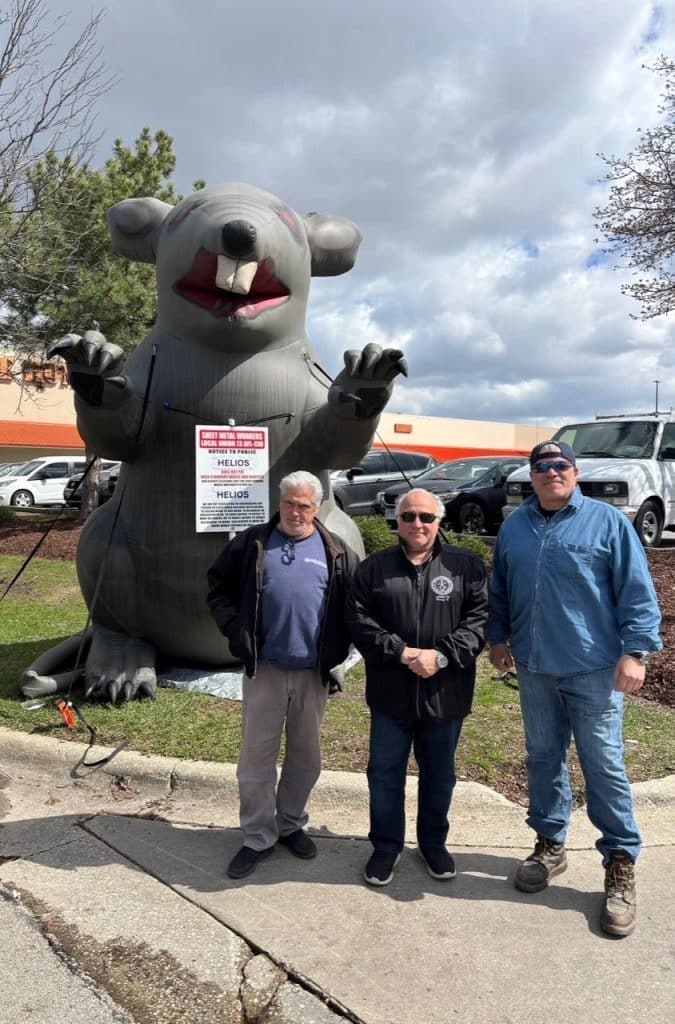
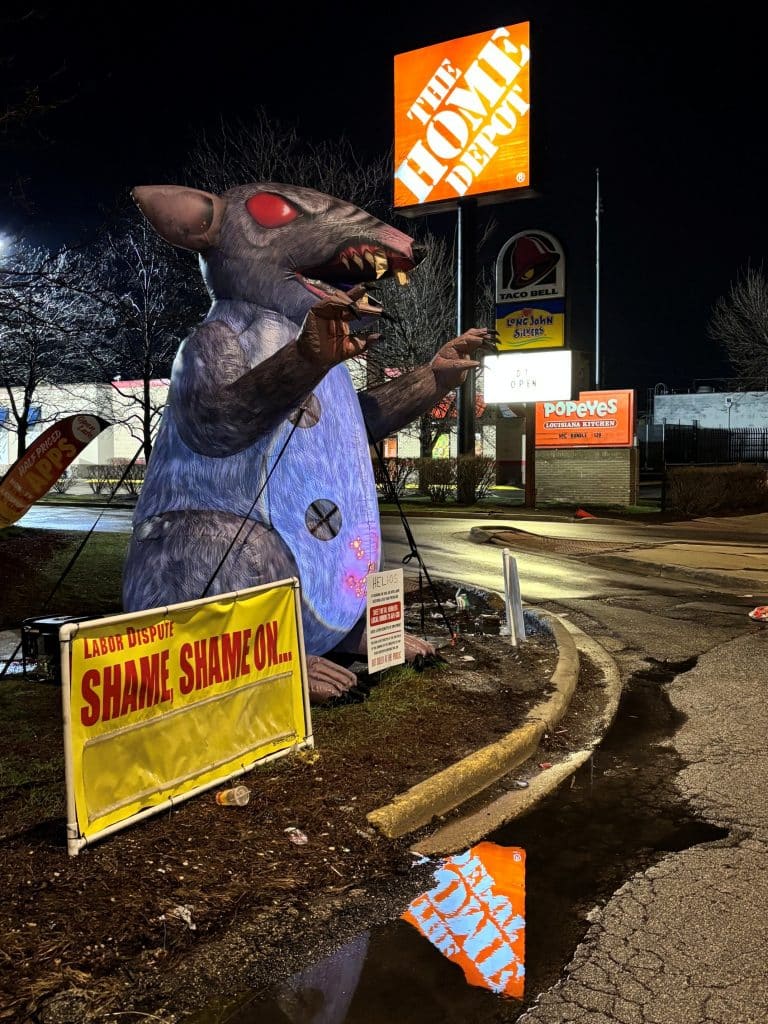
A recent example from SMART Local 73 (Chicago and Cook County, Illinois) showed just how important that is. Through coordinated job action, strategic market recovery efforts and strong teamwork from members and staff, Local 73 successfully reclaimed multiple Home Depot rooftop unit replacement projects from a non-signatory contractor and secured the work for a Local 73 union contractor.
The effort began when Business Agent Dave Brown learned that non-signatory contractor Helios was performing rooftop unit replacement work at Home Depot locations within Local 73’s jurisdiction. Local 73 immediately mobilized, monitoring locations and gathering information on upcoming projects.
After identifying a project in Homewood, Illinois, Local 73 established an area standards picket. The crane company honored the picket line, preventing the work from moving forward. Following discussions between Local 73 representatives and Helios management, the project was reassigned to Diversified Construction Group, a Local 73 signatory contractor, which successfully completed the work.
The victories did not stop there.
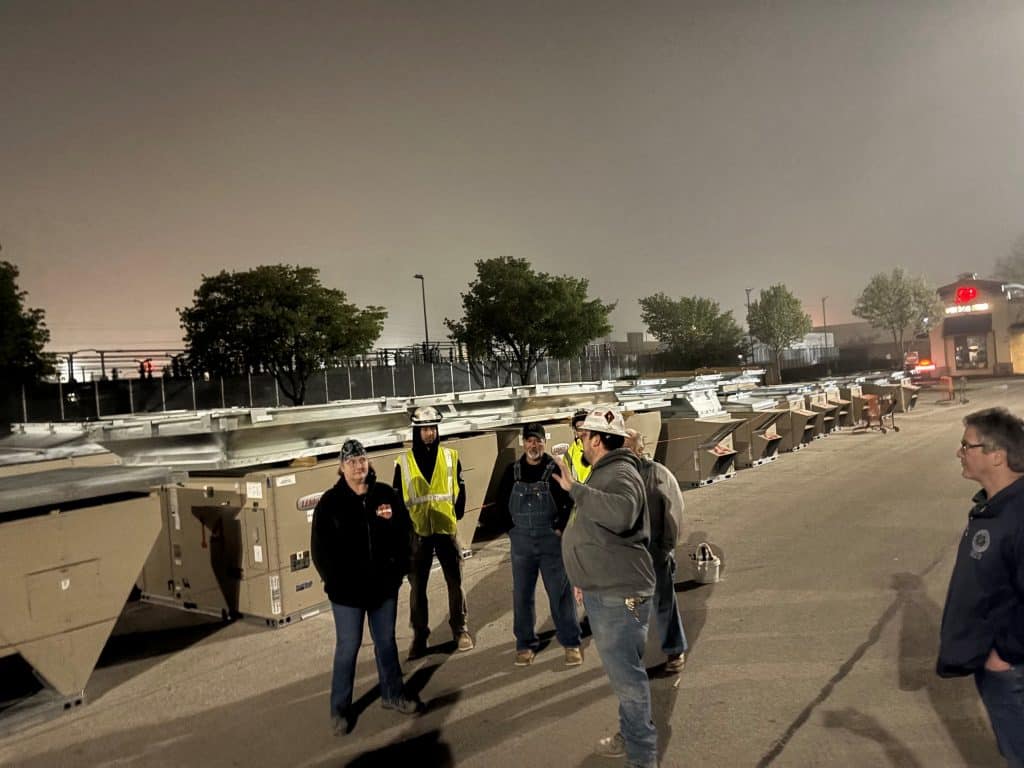
Shortly afterward, a recently organized Local 73 member provided critical information after overhearing Helios employees discussing another upcoming Home Depot project. Acting on that information, Local 73 began researching and canvassing Home Depot locations throughout the jurisdiction. Those efforts led the local to a second project in Chicago.
When the work was scheduled to begin, Local 73 once again established an area standards picket. The crane company again honored the picket line, and Local 73 officers, organizers and business agents committed to maintaining a continuous presence at the site. For three days, Local 73 representatives worked around the clock, rotating shifts and maintaining pressure while discussions continued with Helios and Home Depot representatives.
The persistence paid off.
Following sustained communication and job action, the second project was also reassigned to Diversified Construction Group, securing additional work opportunities for Local 73 members and signatory contractors.
Perhaps the most significant outcome came after the project was resolved. Through discussions with Home Depot executives, Local 73 opened the door to future conversations regarding the use of Local 73 signatory contractors for Home Depot projects throughout Cook and Lake Counties. While those discussions are ongoing, they represent a potential opportunity to expand market share and create long-term work opportunities for Local 73 sheet metal workers.
This success story demonstrates the power of a coordinated union effort. From business agents, organizers and local leadership working together in the field, to a recently organized member providing valuable information that led directly to another project recovery, every level of the organization played a role in the outcome.
Through vigilance, communication and a willingness to act, Local 73 was able to protect market share, secure work for signatory contractors and create new opportunities for future growth. That’s why we organize!
SMART members across the United States frequently read the letters “AFL-CIO.” Whether on endorsements for political candidates or at their local union hall, those letters are visible throughout the labor movement. But many members may not know exactly what they represent.
They stand for the American Federation of Labor – Congress of Industrial Organizations, and they signify the full power and potential of our movement.
The AFL-CIO is the federation of SMART and 64 fellow labor unions, representing 15 million workers across the United States: building data centers, operating freight trains and public transit, working in grocery stores and hotels, and taking on the countless other jobs that make our society run.
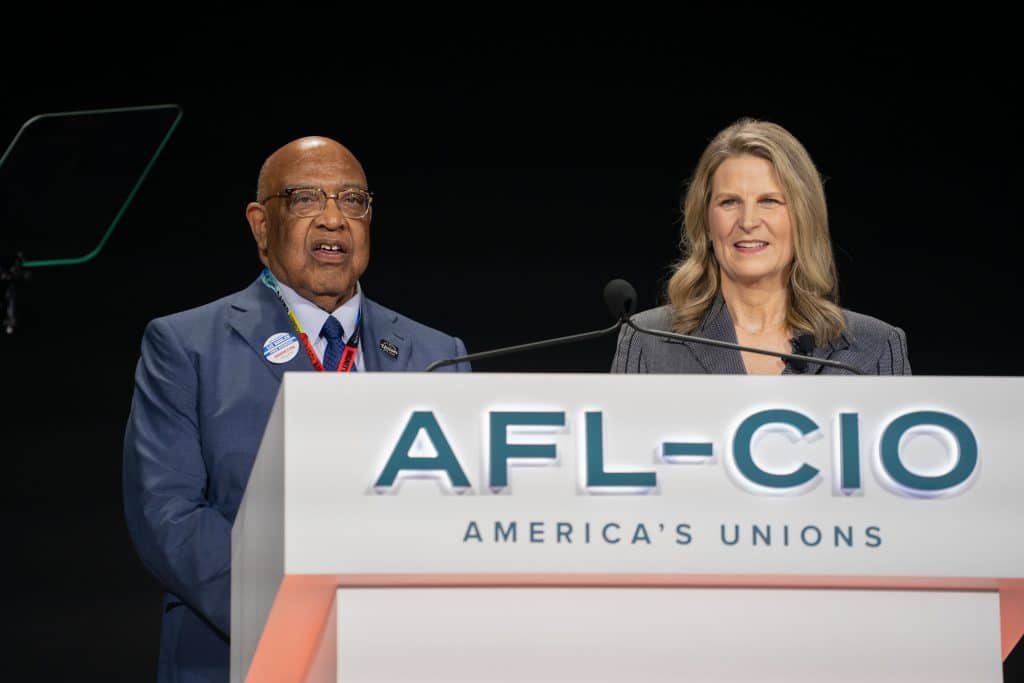
And from June 7-10, 2026, affiliated unions of the AFL-CIO, including SMART, came together for the federation’s convention in Minneapolis, Minn.: charting a path forward for our movement and strategizing on how we can secure a UNIONIZED future. Led by General President Michael Coleman, who also served on the AFL-CIO’s Constitution Committee, SMART delegates attended to bring the voice of sheet metal and transportation members to the largest gathering of organized labor in our nation.
“What we do here will chart the course for what our union will be marching towards over the next five years,” said SMART Railroad, Mechanical and Engineering Department Director Peter Kennedy at the beginning of the convention.
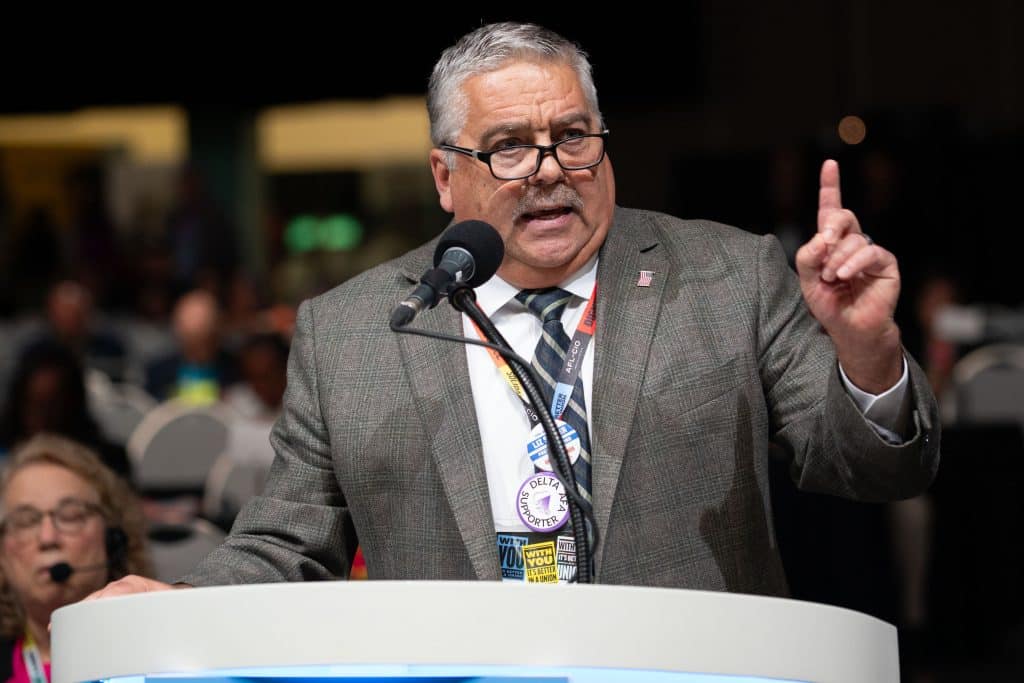
General President Coleman speaks on the convention floor
Building an economy for workers
There are 15 million workers represented in the AFL-CIO, ranging from sheet metal workers to railroaders to university professors to custodians. That means that our unions have some differences. But as General President Coleman often says, we have much more in common with each other than we do with the elites trying to destroy our movement.
That fact was front and center throughout the 2026 convention.
One example: A resolution titled “We Refuse To Be Divided” focused on counteracting the strategy that has been used against the labor movement since workers first organized — divide and conquer. Corporate elites and their allies in government attack unions and workers relentlessly, trying to convince Americans to blame each other for the challenges we face: high prices, unfairness at work and beyond. This has been especially true recently, with the rich and powerful using immigration as an issue to divide the American people. The We Refuse To Be Divided resolution committed the AFL-CIO to a different path, uniting ALL workers in the fight for justice and power.
General President Coleman spoke in favor of the resolution, describing SMART’s fight for due process for Kilmar Abrego Garcia and all members, and urging delegates to stand up for fellow workers in the face of division.
“SMART strongly endorses this resolution,” Coleman declared to applause on the convention floor. “Because every worker deserves justice, fairness and due process. And because we refused to be divided.”
The resolution passed unanimously.
Delegates reelected AFl-CIO President Liz Shuler (right) and Secretary-Treasurer Fred Redmond
Other resolutions passed by delegates committed the AFL-CIO to be a fighting federation — not just reacting to attacks, but proactively organizing new members, building worker power and changing the nature of politics. Resolutions dedicated the federation to building a worker-first democracy; creating coalitions and community partnerships to strengthen workers; reaffirming the labor movement’s fight for civil rights; committing to good, union jobs on data centers (without sacrificing communities or providing giveaways to corporate elites); building up state labor federations and central labor councils; protecting veterans’ health care and their jobs in the federal government; and many more.
In addition to resolutions and amendments, delegates also reelected Liz Shuler as president and Fred Redmond as secretary-treasurer of the federation, as well as the slate of 55 AFL-CIO vice presidents that includes General President Coleman.
A commitment to building power
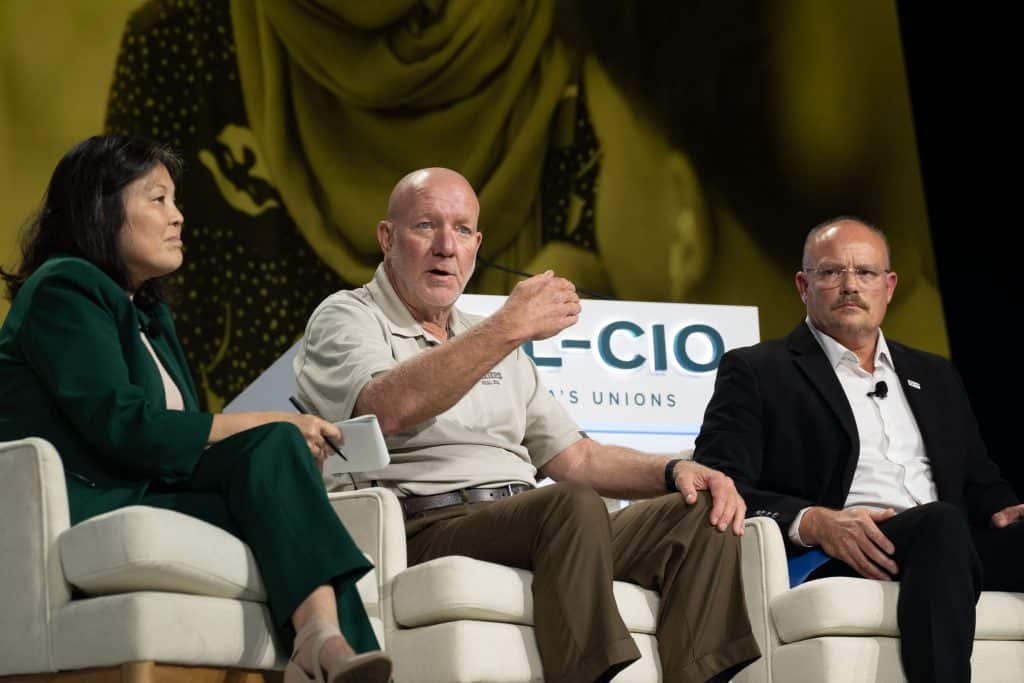
One of the most valuable parts of every AFL-CIO Convention is the opportunity it gives SMART and other union leaders to come together, learn from one another and build power across our industry. At the 2026 convention, attendees heard from legendary farmworker organizer Dolores Huerta, community and labor activists who built resilient coalitions in the Twin Cities, NAACP President and CEO Derrick Johnson, leaders of labor federations in Somalia, the United Kingdom and Canada, and many others.
“You want our votes, you want our money, you want our support? We need your commitments in advance,” said Huerta in remarks about the importance of winning real support from political candidates.
Delegates also strategized on putting solidarity into action during a variety of panels, which focused on themes like rebuilding the American maritime and shipbuilding industry, the labor movement’s plan to elect pro-worker candidates (regardless of party), winning real, pro-worker labor law, and much more.
A recurring theme throughout the convention was artificial intelligence. SMART and the labor movement are in no way opposed to technology and innovation; in fact, many sheet metal members are building the data centers powering the AI revolution. What we are opposed to is technology used for exploitation. When AI is used for surveillance, exploitation and corporate profit — and when data centers are built using low-road contractors and funded by corporate tax giveaways — all workers and families suffer, whether they’re working on the railroad or in grocery stores.
That’s why the AFL-CIO committed to using the collective power of the labor movement to win real guardrails on artificial intelligence: ensuring, as SMART has done throughout our union’s history, that technology is used to help workers, not abuse them.
SMART leaders and their fellow delegates covered a lot of ground over the four days of the convention. But in the end, we committed to one historic, all-important mission: building a new economy that works for people who actually work for a living.
“This is the moment, right now, that will define our future,” said AFL-CIO President Shuler at the convention’s close. “I feel urgency, and I feel excitement to, as we say, get this sh*t done.”
Local 33 (Northern Ohio, West Virginia) has started 2026 with strong organizing momentum, signing six new contractors to date and continuing to grow the local’s market share across multiple districts. These victories are especially significant in West Virginia, where organizing success in a “right-to-work” state requires persistence, relationship-building and commitment from the local’s staff and potential new partners.
And while these wins are tough to achieve, they lead directly to more work opportunities and strengthened collective power for members and families.
One of Local 33’s biggest wins came early in the year in the Parkersburg District, where we signed RW Miller after nearly a year of organizing efforts, meetings and relationship-building. This success brought 17 new members into Local 33 and strengthened our position in the residential market throughout the region.
We also secured agreements with two additional residential contractors, adding seven new members at each company. One contractor was organized in the Charleston District and the other in the North Central District, further expanding Local 33’s union residential presence and creating new opportunities for members in both markets.
Another major milestone came from a long-term organizing effort. Back in 2022, Local 33 organized Wood Commercial and welcomed them into our union family. After experiencing the benefits of being a successful union contractor, the company made the decision to bring its residential company, Wood Heating and Air Conditioning, into Local 33 as a signatory contractor this year. This achievement demonstrates the value of our partnership with contractors and the strength of the union business model.
These organizing victories are helping Local 33 grow our membership, strengthen market share and create more opportunities for sheet metal workers throughout our jurisdiction. We look forward to building on this momentum throughout the rest of 2026.
The union difference isn’t just something that pays off in better pay, safer working conditions and stronger benefits for union members. Study after study shows that unions raise pay and living standards across entire regions, for both union and nonunion workers alike. When union density is high — when SMART signatory contractors have a greater share of the local market, for example — everyone benefits.
That’s why organizing is so important, and why SMART works constantly to bring signatory contractors into every state and province of North America. A recent victory in Vermont demonstrated how that work pays off in practice.
SMART Local 63 faced a critical challenge in the state when its only commercial HVAC signatory contractor closed following the passing of the owner. This left six building trades members without a place to work and created a gap in union market presence in a region already dominated by nonunion contractors.
Recognizing the urgency, Local 63 took immediate action. The local began reaching out to contractors and members to gauge interest in purchasing the company. While those efforts did not result in a sale, they helped identify broader opportunity in the region. With ongoing work tied to the University of Vermont, GlobalFoundries and multiple projects in Burlington, the demand for skilled, UNION labor remained strong.
Building a new path forward
Local 63 shifted its strategy toward bringing in an established signatory contractor. After meeting with John W. Danforth Company, a signatory contractor based out of Buffalo, New York, the local initiated discussions about entering the Vermont market. Local 63 committed to supporting Danforth by identifying and supplying qualified workers and demonstrating the value of establishing a presence in the area.
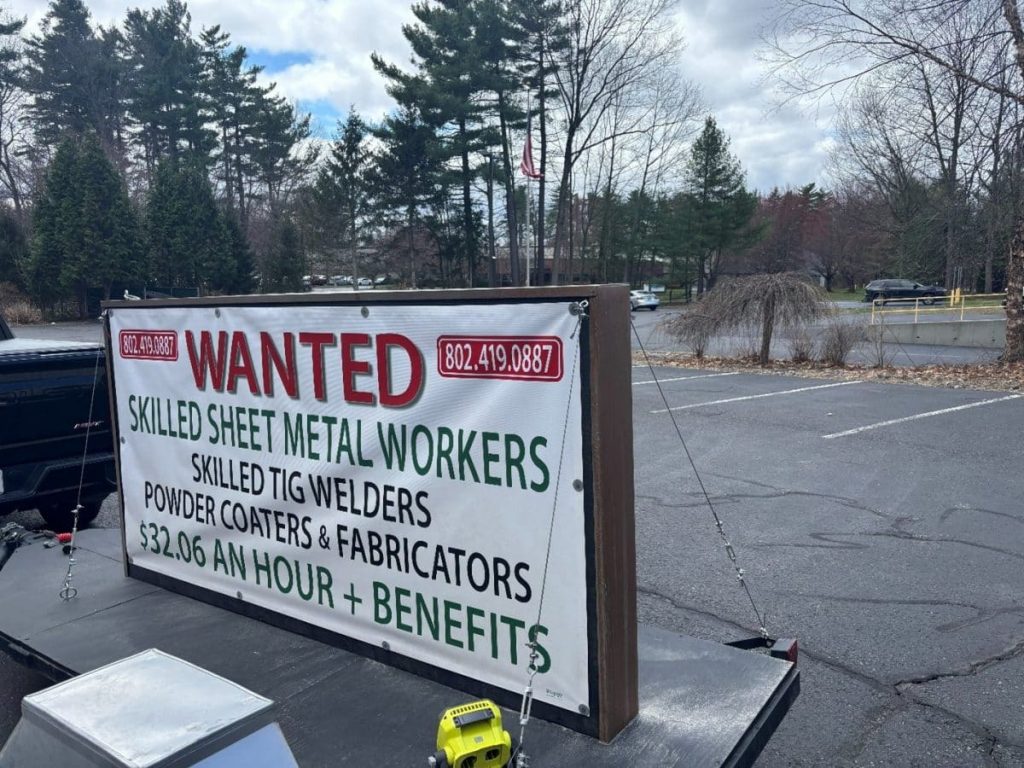
At the same time, Local 63 began advertising for workers, developing lists of potential new members and strengthening relationships with existing signatory partners, including GDS, a powder coating duct company. These efforts helped build a pipeline of vetted workers ready to support incoming work.
Securing work and expanding opportunities
Danforth soon secured a major retail and residential project in downtown Burlington, creating an immediate need for workers. Local 63 successfully supplied qualified workers to meet those demands, reinforcing confidence in the local’s ability to deliver — and putting members on the job.
With continued collaboration between Local 63, Danforth and GDS, efforts expanded to pursue additional work across the region. Danforth recognized both the available market and the local’s proactive efforts in securing projects and workforce.
Establishing a union presence
Following several successful engagements, Danforth made the decision to open a shop in the Burlington area, marking a significant milestone for Local 63. A grand opening event introduced the company to the local market and signaled a renewed union presence in the region.
In addition, Local 63 worked with Danforth to establish a new collective bargaining agreement tailored to Vermont, ensuring union contractors could remain competitive with open shop competition.
Measurable growth and long-term impact
In just six months, Local 63 transformed a challenging situation — one that left members without work and a region without reliable union contractors — into a major organizing success:
Grew from six members without a contractor to approximately 18 active workers
Secured two active signatory shops in the region
Established ongoing work across Burlington, GlobalFoundries and the University of Vermont
Created a competitive framework for future union growth in the state
This success demonstrates the power of strategic partnerships, proactive organizing and workforce development. By identifying opportunity within a crisis and working collaboratively with contractors, Local 63 was able to rebuild its presence, expand opportunities for its members and reintroduce union competition into a previously open shop-dominated market.
Local 63’s efforts stand as a strong example of how organizing and contractor engagement can drive meaningful growth and long-term success: benefiting a local community, a signatory contractor, SMART members and Burlington families.
In 2025, SMART launched its partnership with TOOTRiS, offering United States sheet metal members at participating local unions access to affordable, on-demand child care options that match their schedules, locations and other needs.
SMART has continued working with TOOTRiS and other organizations in the months since, aiming to bolster the support that members can receive. And now, Local 85 (Atlanta, Ga.) has an expanded partnership with TOOTRiS, offering members the existing benefit and providing apprentices monthly child care subsidies — delivering added support during the years when new members of our union are just starting their careers.
Local 85 apprentice Kristopher Baxter is currently in the second year of his apprenticeship. He and his wife, Brittany, are parents of three young children — raising a family as costs rise across the country. Local 85’s new child care benefit is helping them manage the long commutes, demanding schedules and increasing costs of providing for a young family in 2026.
Because the stipend is applied per child, the impact for their family is multiplied.
“It’s truly been an amazing experience,” said Brittany Baxter. “Child care is extremely expensive, tutoring is expensive, and to have a benefit that not only helps us pay for it, but also helps us search and choose providers on an easy-to-use platform takes away so much stress.”
“It helps us catch up on bills, save money, and not feel like you’re suffocating because bills don’t stop,” Kristopher added.
Under the program, Local 85 is providing graduated monthly child care stipends based on year of apprenticeship, applied per child:
Year one: $400 per month
Year two: $300 per month
Year three: $200 per month
Year four: $100 per month
“We see how hard our apprentices are working to build a life and a career at the same time,” said Steve Langley, Local 85 business manager and SMART general vice president. “If we can ease even one of the pressures they’re carrying, especially for working parents, that’s worth doing. This is about standing behind our members when it matters most.”
Expanding on a groundbreaking benefit
Local 85’s benefit is an expansion of SMART and TOOTRiS’s groundbreaking partnership, which is available to SMART sheet metal members at participating U.S. locals.
Ordinarily, access to TOOTRiS’s program costs $24.99 per month. For SMART sheet metal members at participating local unions, the program cost is covered by funding from the SMART International, giving them real-time access to licensed child care providers in urban and rural areas; search features tailored for special needs care and flexible scheduling; and multilingual support through TOOTRiS’s app and website.
In addition to the platform, TOOTRiS’s concierge service offers members personalized assistance in helping to locate providers that meet their needs and work schedules, including very early hours, swing shifts and more. Providers are licensed and regularly reevaluated utilizing state licensing data to ensure they meet stringent quality standards, giving members peace of mind when searching for care.
In the months since, SMART and TOOTRiS have worked together to identify opportunities to improve that benefit offering, from potential grant opportunities to local market potential.
Local 85’s partnership with TOOTRiS is just one example.
“We’re in it to help people,” Langley concluded. “We’re in it to make our communities better, and to help the people that need help.”